
The Quiet Rebellion of Childhood
At first glance, the children seem almost disarmingly innocent. They have oversized heads, pale skin, delicate features and enormous eyes that appear suspended somewhere between curiosity and melancholy. Their expressions are unreadable, their silence almost unsettling. Some clutch small dogs or cigarettes, others hold knives or stare directly at the viewer with an intensity that feels impossible to ignore. They are not smiling. Nor are they entirely sad. They are simply watching us.
For more than four decades, Japanese artist Yoshitomo Nara has built one of the most distinctive visual languages in contemporary art, creating characters that have become instantly recognisable across museums, galleries and private collections around the world. At a time when contemporary art often celebrates conceptual complexity or monumental spectacle, Nara has remained devoted to something profoundly intimate. His paintings speak softly, yet they linger in the mind long after one has left the gallery.
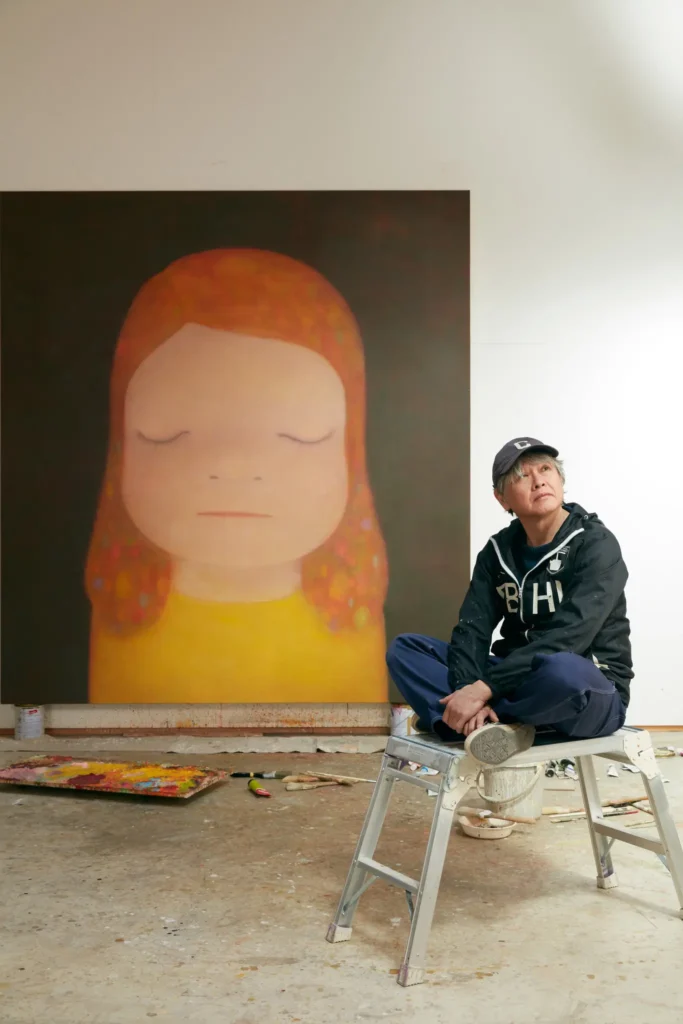
This autumn, New York will once again become the stage for one of the artist’s most significant exhibitions in recent memory. Opening on 29 October at David Zwirner, the exhibition marks Nara’s first major New York presentation in nearly a decade. Spanning two gallery spaces, it will bring together new paintings, large-scale drawings, recent sculptures and rarely exhibited works from the 1980s, offering visitors an unusually comprehensive look at an artist whose practice has continued to evolve while remaining unmistakably his own. The exhibition’s sculpture presentation, including thirteen monumental bronze Snow Monster figures inspired by childhood memories in northern Japan, promises to become one of the season’s defining artistic events.
To understand Yoshitomo Nara, however, one must first look beyond the extraordinary commercial success that has elevated him into the highest ranks of the contemporary art market. His work is often associated with Pop Art, Japanese manga or the global phenomenon of kawaii culture, yet these comparisons only reveal part of the story. Beneath the deceptively simple surfaces lies a deeply personal meditation on solitude, memory and emotional resilience. His children are not illustrations of innocence; they are portraits of emotional complexity. They embody the contradictions of growing up, carrying within them vulnerability, quiet defiance and an unmistakable sense of independence.
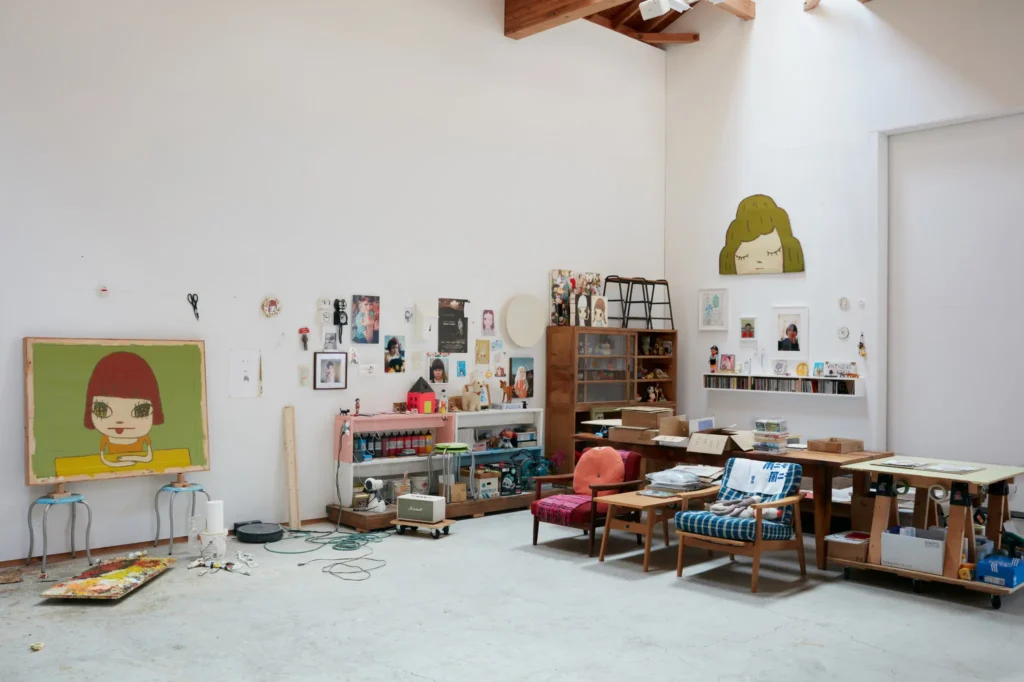
Nara was born in 1959 in Hirosaki, a small city in Japan’s Aomori Prefecture, where long winters and geographical isolation shaped much of his imagination. As an only child whose parents worked long hours, he spent much of his childhood alone, listening to the crackling broadcasts of American radio drifting across the Sea of Japan. Folk music, rock and punk became unexpected companions long before he fully understood the languages being sung. That sense of solitude never disappeared. Instead, it became the emotional foundation of an artistic practice that continues to resonate across cultures precisely because it avoids easy explanations.
His paintings rarely rely on elaborate narratives. A single face often occupies the entire canvas. The backgrounds remain intentionally sparse, directing every ounce of attention towards the subject’s expression. It is within these subtle shifts of emotion that Nara’s genius becomes apparent. A slight tilt of the head, a barely perceptible narrowing of the eyes or the faintest suggestion of a smile transforms each work into an open-ended conversation between artist and viewer. Every person sees something different. Some encounter loneliness. Others recognise resilience, humour or even quiet rebellion.
Perhaps this universality explains why Yoshitomo Nara has become one of the most collected living artists of our time. His works have achieved remarkable results at auction, yet they continue to retain an emotional accessibility rarely found at the highest levels of the contemporary art world. Collectors are not simply acquiring paintings; they are responding to characters that feel strangely familiar, as though each canvas reflects an emotion we have experienced but never fully articulated.
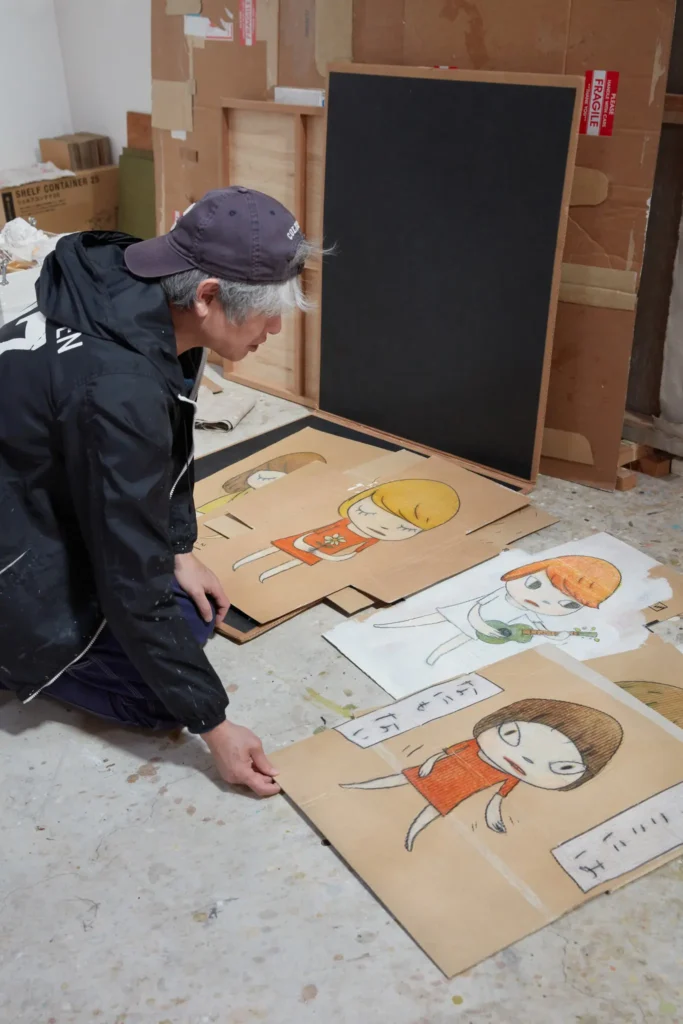
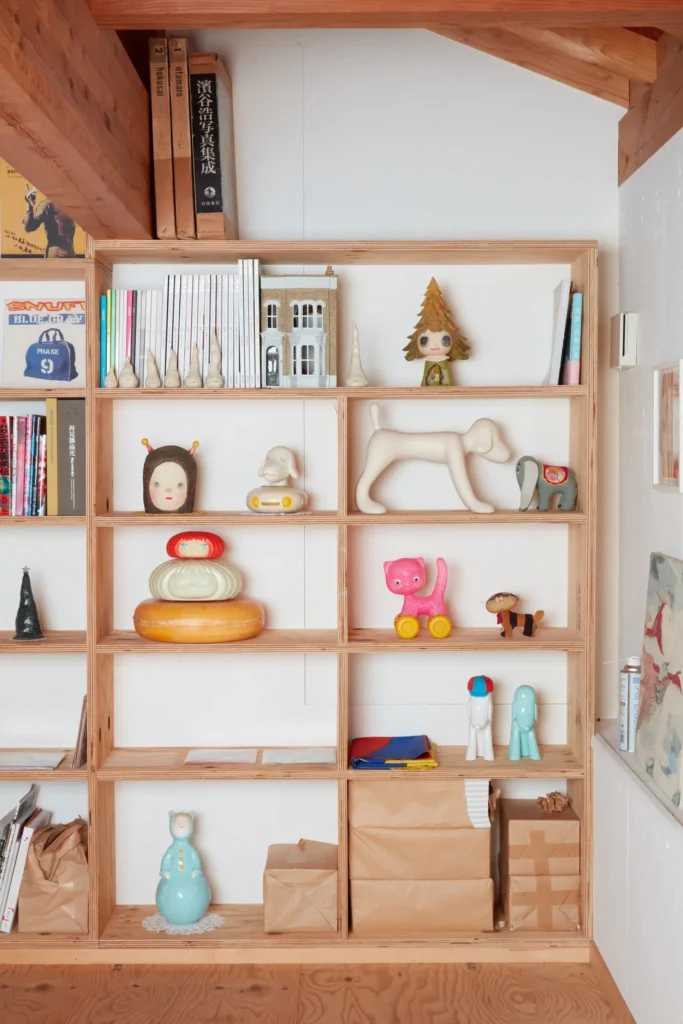
The forthcoming New York exhibition arrives at a particularly significant moment in Nara’s career. Rather than presenting a retrospective, it reveals an artist who continues to experiment while remaining faithful to the emotional vocabulary that first defined his work. Early drawings from the 1980s will sit alongside monumental bronze sculptures and newly completed paintings, allowing visitors to witness the remarkable consistency of his artistic vision across four decades. While styles, techniques and scale have evolved, the essential humanity of his work remains unchanged.
In an age increasingly shaped by digital distraction, Yoshitomo Nara’s art offers something unexpectedly rare: stillness. His paintings refuse to overwhelm the viewer with information or spectacle. Instead, they invite prolonged observation, rewarding patience with emotional depth that gradually reveals itself over time. They remind us that contemporary art need not shout in order to leave a lasting impression. Sometimes the quietest voice proves the most enduring.
For New York, the exhibition represents more than the return of one of Japan’s most celebrated living artists. It marks the arrival of an artistic language that has influenced an entire generation of painters, illustrators, designers and collectors around the world. Nara’s ability to bridge Eastern and Western visual traditions, while remaining profoundly personal, has established him as one of the defining cultural figures of the twenty-first century.
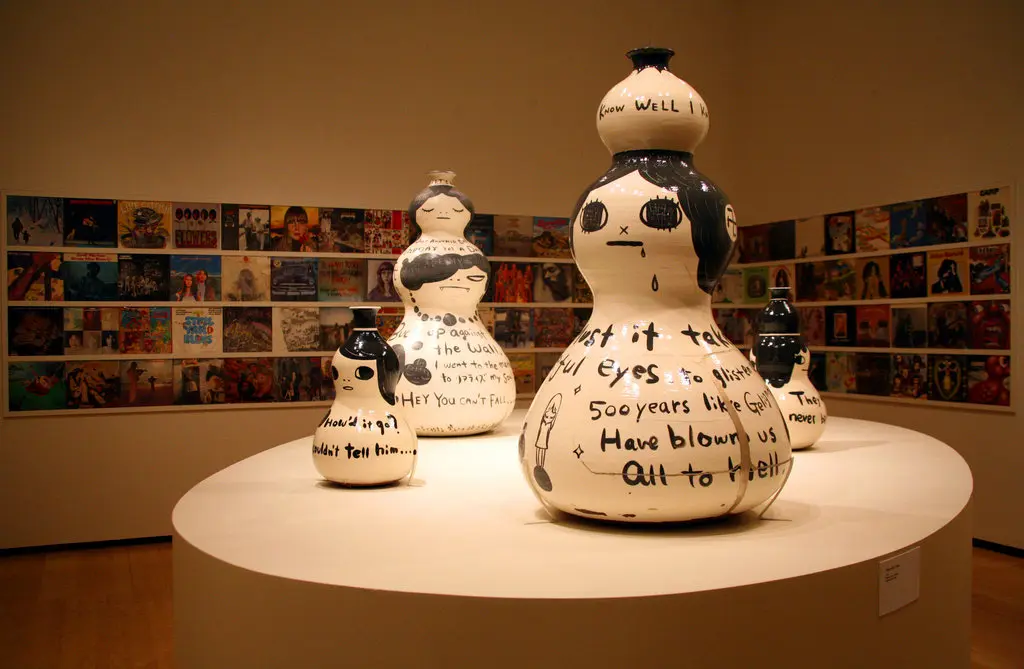
Maison Blanche Reflection
The greatest artists rarely provide answers. Instead, they ask questions that remain with us long after we leave the gallery. Yoshitomo Nara has spent more than forty years painting children who appear to know something we have forgotten. They are neither nostalgic nor sentimental. They remind us of the emotional honesty that often disappears with adulthood—the quiet strength found in vulnerability, the courage to remain different and the importance of preserving one’s inner world in an increasingly noisy society. Perhaps that is why his work continues to resonate so deeply. Behind every seemingly innocent face lies a story that belongs not only to the artist, but to all of us.