
Where the Poetry of Old Japan Lives On
Kyoto has always possessed a beauty that resists the passage of time. For more than a thousand years, the city served as Japan’s imperial capital, becoming the spiritual and cultural heart of a civilisation whose influence continues to shape the country’s identity. Its temples, gardens, wooden townhouses and centuries-old traditions reveal an extraordinary sensitivity to nature, craftsmanship and the changing seasons. Yet perhaps nowhere is this relationship between landscape and culture more captivating than in Arashiyama, where forested mountains rise above the Hozu River and the rhythms of modern life seem to soften beneath the shadows of ancient trees. It is here, surrounded by one of Kyoto’s most celebrated landscapes, that Suiran, a Luxury Collection Hotel, Kyoto offers an exceptionally intimate interpretation of Japanese luxury, combining the elegance of a historic riverside retreat with the quiet sophistication of contemporary hospitality.
Arashiyama has attracted poets, aristocrats and members of the imperial court for centuries. During the Heian period, when Kyoto flourished as the centre of Japanese court culture, the district became a favoured destination for appreciating the changing seasons, particularly the delicate cherry blossoms of spring and the brilliant foliage of autumn. Its landscape inspired poetry, painting and the aesthetic traditions that continue to define Japanese art. The Hozu River winds through the valley beneath wooded hills, while the celebrated Togetsukyo Bridge connects the historic streets with the natural beauty surrounding them. Even today, despite its international popularity, Arashiyama retains moments of extraordinary tranquillity, particularly in the early morning when the river is still and the mountains emerge slowly through the mist.
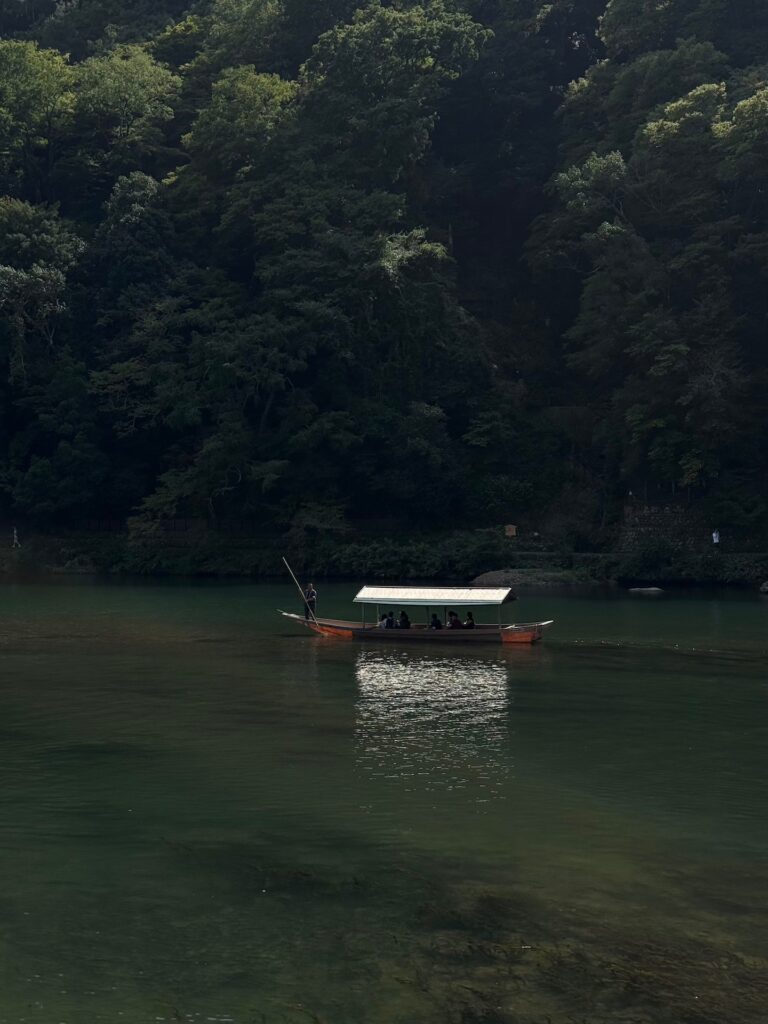
Suiran occupies a remarkable position within this landscape, set along the banks of the Hozu River and surrounded by the greenery of Arashiyama. The hotel opened in 2015, introducing a distinctive expression of luxury hospitality to a district more commonly associated with traditional inns, temples and historic residences. Rather than attempting to compete with its surroundings through monumental architecture, Suiran embraces the understated elegance of Japanese design, allowing nature, history and craftsmanship to shape the guest experience. Its intimate scale, with just 39 guestrooms and suites, creates an atmosphere far removed from the formality of a conventional international hotel. The property feels closer to a secluded private residence, where gardens, traditional architectural details and carefully composed interiors encourage a slower, more contemplative rhythm.
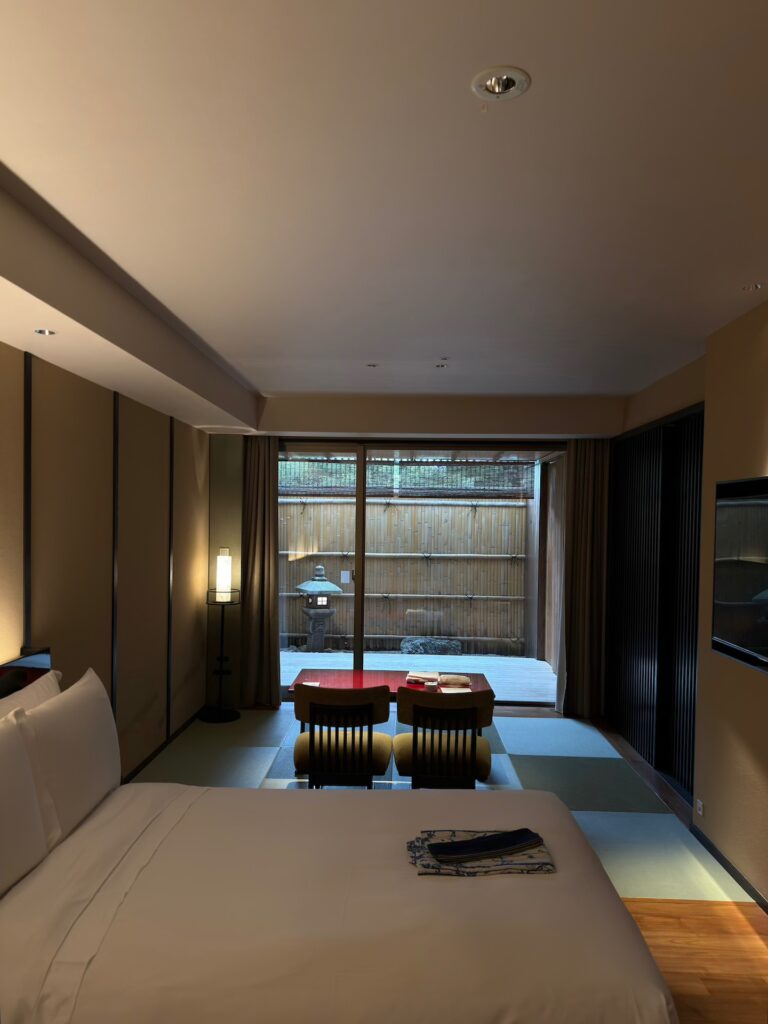
The hotel’s architectural identity is particularly compelling because it brings together historic structures and contemporary Japanese design. Two buildings dating from the Meiji era have been carefully preserved and incorporated into the property, maintaining an important connection with the cultural history of Arashiyama. Their traditional character provides a beautiful counterpoint to the more contemporary guestrooms, which draw upon Japanese materials, textures and aesthetic principles without becoming overly decorative. Throughout Suiran, wood, stone, natural light and carefully framed garden views create an atmosphere of restraint and harmony. The result is a hotel that feels unmistakably Japanese, not because it relies on obvious symbols of tradition, but because its architecture understands the importance of proportion, simplicity and the relationship between interior spaces and the natural world.
The gardens are essential to this experience. In Japanese culture, a garden is rarely conceived as a purely decorative landscape; it is an expression of balance, seasonality and the relationship between humanity and nature. At Suiran, pathways, carefully arranged greenery and traditional architectural elements create a succession of intimate spaces that reveal themselves gradually. The atmosphere changes throughout the year, from the delicate colours of spring to the rich greens of summer and the extraordinary reds and golds of autumn. Even the smallest details become meaningful: the texture of moss beneath a tree, the movement of leaves in the breeze or the way sunlight falls across a wooden veranda. This sensitivity to the seasons gives the property an identity that evolves continuously, ensuring that no two visits feel entirely the same.

The guestrooms and suites continue this philosophy with an elegant balance of traditional Japanese influences and contemporary comfort. Tatami-inspired textures, natural materials, refined furnishings and subtle decorative details establish a sense of calm, while generous windows connect the interiors with the surrounding gardens and mountains. Many accommodations feature private open-air hot spring baths, allowing guests to experience one of Japan’s most cherished wellness traditions in complete privacy. The sensation of immersing oneself in warm mineral-rich water while surrounded by the quiet beauty of Arashiyama is particularly memorable, especially after a day spent exploring Kyoto’s temples and historic streets. Rather than treating wellness as a separate activity, Suiran integrates it naturally into the experience of staying, reflecting the Japanese understanding that relaxation and appreciation of nature are deeply connected.
There is something profoundly beautiful about the ritual of bathing in Japan. The tradition of onsen extends far beyond physical relaxation, representing an opportunity to pause, restore balance and appreciate the simple pleasure of water, warmth and silence. At Suiran, the experience becomes especially intimate when enjoyed within the privacy of a guestroom, where the surrounding landscape provides a natural sense of seclusion. The contrast between the warmth of the bath and the coolness of the outside air creates an atmosphere of extraordinary tranquillity. It is one of those experiences that cannot be fully communicated through photographs or descriptions, because its beauty lies as much in the sensation of stillness as in the surroundings themselves.
The experience of Suiran extends naturally into its culinary world, where the traditions of Kyoto are interpreted with an appreciation for both heritage and contemporary creativity. At Kyo-Suiran, the hotel’s signature restaurant, the dining room occupies a beautifully preserved Meiji-era residence originally associated with Kawasaki Shōzō, the founder of the Kawasaki industrial group. Known historically as Enmeikaku, the building retains remarkable architectural details, including decorative elements connected to the Kawasaki family and the elegant craftsmanship of its period. The cuisine brings together the seasonal philosophy of Japanese kaiseki dining with the techniques and aesthetic sensibilities of French gastronomy. This combination feels particularly appropriate in Kyoto, where respect for tradition has never prevented artistic innovation. Ingredients are selected according to the seasons, while the presentation reflects the Japanese belief that a meal should engage the eye and the imagination as thoughtfully as the palate.
Equally memorable is Café Hassui, housed within another historic building overlooking the Hozu River. Its setting carries a particularly poetic history, associated with gatherings of writers who once celebrated the eight seasonal landscapes of Arashiyama through verse. Today, the café continues that relationship between contemplation and nature, offering afternoon tea and light refreshments against one of Kyoto’s most beautiful riverside panoramas. From its terrace, the movement of the river and the changing colours of the mountains become part of the experience. In spring, cherry blossoms soften the landscape; summer brings an abundance of green; autumn transforms the hills into a tapestry of crimson and gold; and winter reveals the quiet elegance of bare branches and occasionally snow-covered scenery. Few settings express the Japanese appreciation of seasonal beauty with such effortless grace.
The hotel’s dining experience also includes Teppanyaki Kanzan, where premium Japanese ingredients are prepared directly before guests. Teppanyaki is often associated with theatrical cooking, but its most refined expression depends upon precision, restraint and an intimate understanding of ingredients. The movement of the chef, the controlled heat of the cooking surface and the careful timing of each preparation transform dinner into a demonstration of culinary craftsmanship. Within Suiran’s historic surroundings, the experience creates another dialogue between traditional Japanese values and contemporary hospitality, reinforcing the hotel’s commitment to celebrating the country’s cultural identity through food.
Perhaps one of Suiran’s most charming rituals is its Arashiyama Delight, an evening champagne experience that invites guests to gather as the afternoon light begins to fade. It is a beautifully conceived moment, allowing visitors to enjoy the atmosphere of the property while appreciating the changing colours of the surrounding landscape. The ritual feels especially appropriate in Arashiyama, where the passing of time has always been observed through nature rather than the clock. As shadows lengthen across the gardens and the mountains gradually darken, the hotel acquires an atmosphere of extraordinary intimacy. The experience captures a particular understanding of luxury in which the greatest pleasures are often uncomplicated: a beautiful setting, thoughtful hospitality and the freedom to appreciate a moment without interruption.
Beyond the property, Arashiyama offers an extraordinary concentration of cultural and natural treasures. The celebrated bamboo grove is among Kyoto’s most recognisable landscapes, its towering green stalks creating a remarkable interplay of light and shadow. Nearby, Tenryū-ji Temple, a UNESCO World Heritage Site, is particularly admired for its historic Zen garden, where carefully arranged rocks, water and vegetation establish a harmonious relationship with the surrounding mountains. The Togetsukyo Bridge provides another perspective on the district, crossing the river beneath the forested hills that have inspired generations of artists and poets. Yet Arashiyama’s greatest beauty often reveals itself away from its most visited landmarks, along quiet paths, smaller temples and residential streets where traditional architecture and everyday life continue to coexist.
For guests staying at Suiran, the ability to experience Arashiyama outside its busiest hours is particularly valuable. Early morning transforms the district into a different world, when the bamboo forest is quieter, the river reflects the first light and the surrounding mountains appear almost untouched by the activity that will arrive later in the day. Returning to the hotel after exploring these landscapes creates a wonderful sense of continuity, as though the gardens, architecture and guestrooms are extensions of the cultural world encountered outside. Suiran does not attempt to separate guests from Kyoto; it encourages a deeper appreciation of the traditions that make the city so extraordinary.
This relationship between heritage and contemporary hospitality is central to the hotel’s identity. Its guiding philosophy, expressed through the Japanese concept of keio-kairai, concerns inheriting the achievements of previous generations while developing them for the future. At Suiran, this principle is visible in the preservation of historic buildings, the thoughtful integration of contemporary guestrooms and the continuation of culinary and cultural traditions within a modern luxury setting. The hotel demonstrates that preservation need not mean freezing a place in time. Historic architecture can remain relevant when it is treated with sensitivity and allowed to continue serving a meaningful purpose, while modern comforts can be introduced without diminishing the character of what came before.
The service reflects another essential aspect of Japanese culture: the quiet attentiveness associated with omotenashi. In its most refined form, Japanese hospitality is not defined by elaborate gestures or excessive formality, but by an ability to anticipate needs and create an atmosphere in which guests feel genuinely considered. At Suiran, the intimate scale of the property allows this philosophy to become particularly personal. The experience is shaped by small details, thoughtful interactions and a sense of discretion that complements the tranquillity of the surroundings. Rather than overwhelming visitors with attention, the hotel allows them the space to appreciate Kyoto at their own pace.
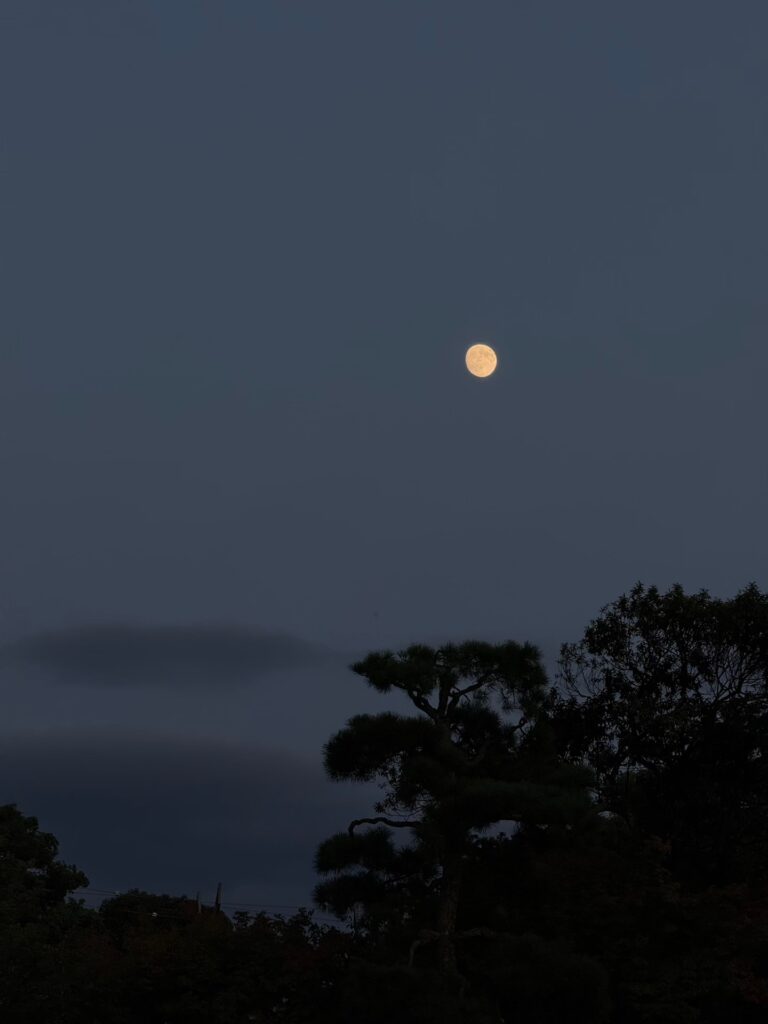
As evening settles over Arashiyama, the atmosphere becomes especially captivating. The gardens grow quiet, the surrounding mountains fade into darkness and the soft illumination of the historic buildings reveals another dimension of their beauty. Guests return from the temples and streets of Kyoto to the privacy of their rooms, where a warm bath or a peaceful view of the garden provides a gentle conclusion to the day. The contrast with central Kyoto is striking. Although the city’s celebrated cultural landmarks remain within reach, Suiran feels wonderfully removed from the intensity of urban life, offering the rare pleasure of experiencing one of Japan’s most important destinations from a setting defined by nature and historical continuity.
What ultimately distinguishes Suiran is its ability to communicate the spirit of Kyoto without reducing it to a collection of familiar images. The hotel certainly possesses the elements travellers associate with traditional Japan: gardens, historic architecture, hot spring bathing and refined seasonal cuisine. Yet these qualities are not presented as decorative symbols. They are integrated into the daily experience, creating a genuine relationship between the property and the cultural landscape surrounding it. The result is an interpretation of luxury that feels deeply rooted in place, where comfort and sophistication are inseparable from history, craftsmanship and an appreciation of the natural world.
Kyoto has always inspired travellers to reconsider their relationship with time. Its temples and gardens remind us that beauty can emerge from restraint, that impermanence is an essential part of life and that the changing seasons deserve to be observed rather than hurried through. Suiran embodies these ideas with remarkable sensitivity, providing a setting in which the pleasures of contemporary hospitality coexist with the traditions that have shaped Japanese culture for centuries. Its greatest achievement is not simply offering an elegant place to stay in Arashiyama, but allowing guests to experience the landscape with a greater sense of intimacy and understanding.
For Maison Blanche, Suiran represents a particularly beautiful expression of Japanese luxury, one defined by cultural depth rather than spectacle. The historic buildings, thoughtful interiors, intimate gardens, exceptional cuisine and extraordinary riverside setting create an experience that feels both sophisticated and profoundly connected to Kyoto. In an age when travel is increasingly measured by the number of places visited, Suiran encourages something more meaningful: the pleasure of remaining long enough to understand the beauty of a single place. Beneath the forested mountains of Arashiyama, where the Hozu River continues its timeless journey through the valley, the hotel offers a rare opportunity to experience Kyoto as generations of poets and travellers once did, with curiosity, contemplation and an enduring appreciation for the extraordinary beauty of Japan.