
A New Chapter in the Art of Living in Lugano
On the sun-drenched hills above Lake Lugano, a familiar address prepares to embrace a new identity. Park Hotel Montalbano represents a fresh chapter in the hospitality story of Collina d’Oro, bringing renewed attention to one of the most appealing settings in Switzerland’s Italian-speaking south.
There is a particular kind of beauty that belongs to Lugano. It is found in the morning light falling across the lake, in the elegant façades of its historic buildings, in the palms and cypress trees that soften the surrounding hills, and in the remarkable ease with which Swiss refinement and Italian culture coexist. Here, the Alps gradually surrender their severity to a gentler, almost Mediterranean landscape, creating a destination that has fascinated artists, writers and international travellers for generations. Above this extraordinary city, surrounded by greenery on the prestigious Collina d’Oro, a new hospitality identity is preparing to emerge. Park Hotel Montalbano, taking over the former Park Hotel Principe, introduces a new chapter for an established hotel address, with an ambition rooted in the enduring appeal of its location and the timeless pleasure of welcoming guests to Lugano.
The name itself carries a strong sense of place. Montalbano is not an invented destination or a fashionable expression created for the international hospitality market. It belongs to the geography of the hillside, to the road on which the property stands and to the residential landscape that has long been associated with some of Lugano’s most distinguished addresses. By adopting this name, the hotel establishes an identity connected directly to its surroundings. It is an approach that feels particularly appropriate in Ticino, where the character of a destination is often inseparable from its landscape, architecture and traditions.

To understand the appeal of Park Hotel Montalbano, one must first understand Lugano itself. Situated on the shores of its magnificent lake, surrounded by mountains and positioned between northern Italy and the Swiss Alps, the city has developed a cultural identity unlike that of any other major Swiss destination. Its history reflects centuries of movement between different political, commercial and artistic worlds. During the medieval period, the region was influenced by competing powers from northern Italy, particularly Milan and Como, before eventually becoming part of the Swiss Confederation’s Italian-speaking territories. In the nineteenth century, the creation of the modern Canton of Ticino and the gradual development of transportation infrastructure helped transform Lugano into an increasingly important commercial and cultural centre.
The arrival of the railway was especially significant. With the completion of the Gotthard Railway in 1882, Ticino became more closely connected to northern Europe, opening new possibilities for commerce, tourism and international travel. Visitors from Switzerland, Germany, Britain and beyond discovered a landscape that offered something different from the country’s celebrated Alpine resorts. Lugano combined the reassuring elegance of Swiss hospitality with the architecture, climate and social traditions of Italy. Grand hotels, lakeside promenades and elegant villas gradually became part of the city’s identity, establishing a tradition of hospitality that continues to influence the destination today.
Yet Lugano’s attraction has never depended exclusively upon its hotels or its reputation for financial sophistication. Its deeper appeal lies in the relationship between the city and its surrounding landscape. Lake Lugano, with its irregular shoreline and dramatic mountain backdrop, creates a succession of extraordinary panoramas. Monte San Salvatore rises above the southern side of the city, its distinctive silhouette forming one of the most recognisable features of the region, while Monte Brè offers another perspective across the water and surrounding valleys. Along the shores, villages such as Gandria preserve the intimate character of traditional lakeside life, with narrow streets, stone houses and waterfront restaurants that appear almost untouched by the passage of time.
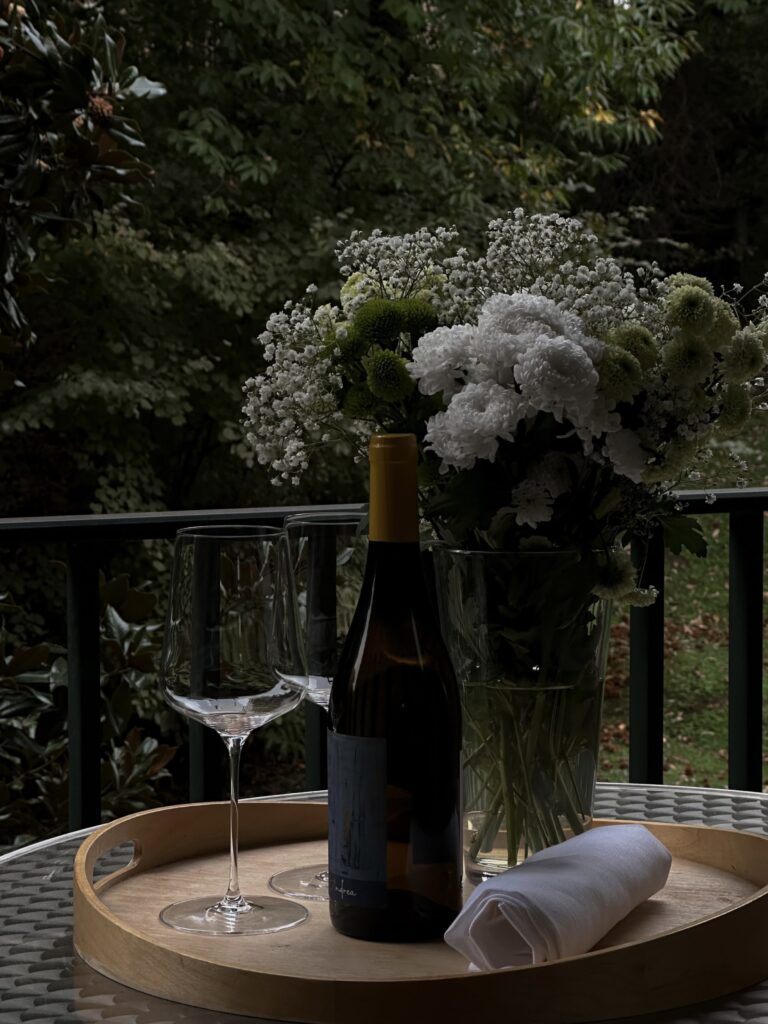
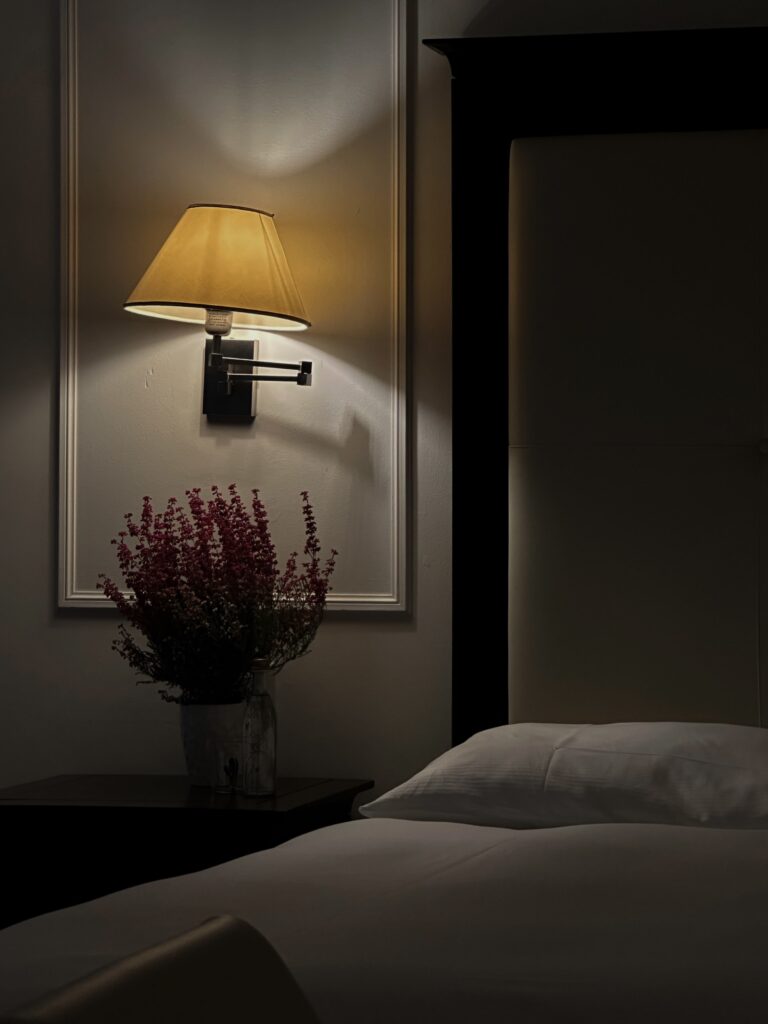
It is above this landscape that Collina d’Oro, the Golden Hill, has established its own distinctive identity. The area is celebrated for its residential elegance, natural surroundings and remarkable sense of tranquillity. Its slopes are characterised by gardens, mature trees, private residences and winding roads that reveal occasional glimpses of the lake and mountains. Despite its proximity to central Lugano, the atmosphere feels noticeably different from the busy streets below. There is a sense of privacy and calm that has made the hillside particularly attractive to those seeking the pleasures of the region without sacrificing the serenity of a more secluded setting.
Collina d’Oro also occupies a fascinating place in European cultural history. The German-Swiss writer Hermann Hesse, one of the twentieth century’s most influential literary figures and recipient of the Nobel Prize in Literature in 1946, made nearby Montagnola his home for much of his life. Having moved to Ticino in 1919, Hesse found inspiration in the region’s landscapes, light and atmosphere, which became closely connected to his literary and artistic imagination. His years in Montagnola were marked by writing, painting and reflection, and the Hermann Hesse Museum continues to preserve the memory of his relationship with the area. His presence is a reminder that the Golden Hill has long appealed not only to those seeking comfort and beauty, but also to individuals drawn by the possibility of living at a different rhythm.
This cultural heritage gives the surrounding landscape a depth that extends beyond its immediate visual appeal. The beauty of Collina d’Oro is not simply decorative. It belongs to a tradition of contemplation, creativity and the appreciation of everyday life, qualities that have attracted generations of residents and visitors. For a hotel situated within this environment, the setting provides an identity that cannot easily be recreated elsewhere. The surrounding greenery, the gentle atmosphere of the hillside and the proximity to Lugano form the foundations of an experience that is distinctly Ticinese.
Park Hotel Montalbano inherits a property already associated with this particular style of hospitality. Previously operating as Park Hotel Principe, the establishment occupies an address on Via Montalbano, close to the celebrated Villa Principe Leopoldo. The former hotel was known for its generous accommodation, garden surroundings and leisure facilities, offering a peaceful alternative to the more urban hotels of central Lugano. Its established configuration included 42 guestrooms, with terraces or access to the surrounding greenery among the characteristics of the accommodation. An outdoor swimming pool, tennis courts and fitness facilities contributed to the property’s identity as a place where guests could combine their stay with relaxation and outdoor activity.
The transition to Park Hotel Montalbano represents an opportunity to establish a distinct hospitality identity while retaining the advantages of this established location. Rather than relying solely upon the prestige of a neighbouring landmark, the new name places the emphasis on Montalbano itself, its setting and its potential as an independent address. This distinction is important in a destination where guests increasingly seek experiences that feel personal and connected to their surroundings. A hotel’s appeal is no longer measured exclusively by formal classifications or elaborate facilities, but also by the atmosphere it creates, the quality of its welcome and its ability to make visitors feel genuinely connected to a place.
The neighbouring Villa Principe Leopoldo provides an important historical context for the area. Associated with the former residence of Prince Friedrich Leopold of Prussia, the villa became one of Lugano’s distinguished luxury hotels, celebrated for its commanding position above the city and its connection to European aristocratic heritage. Its transformation into a hotel in the 1980s contributed to the prestige of Via Montalbano as a hospitality destination. Park Hotel Montalbano now has the opportunity to develop its own identity within this established landscape, offering a different expression of hospitality while benefiting from the same appealing hillside environment.
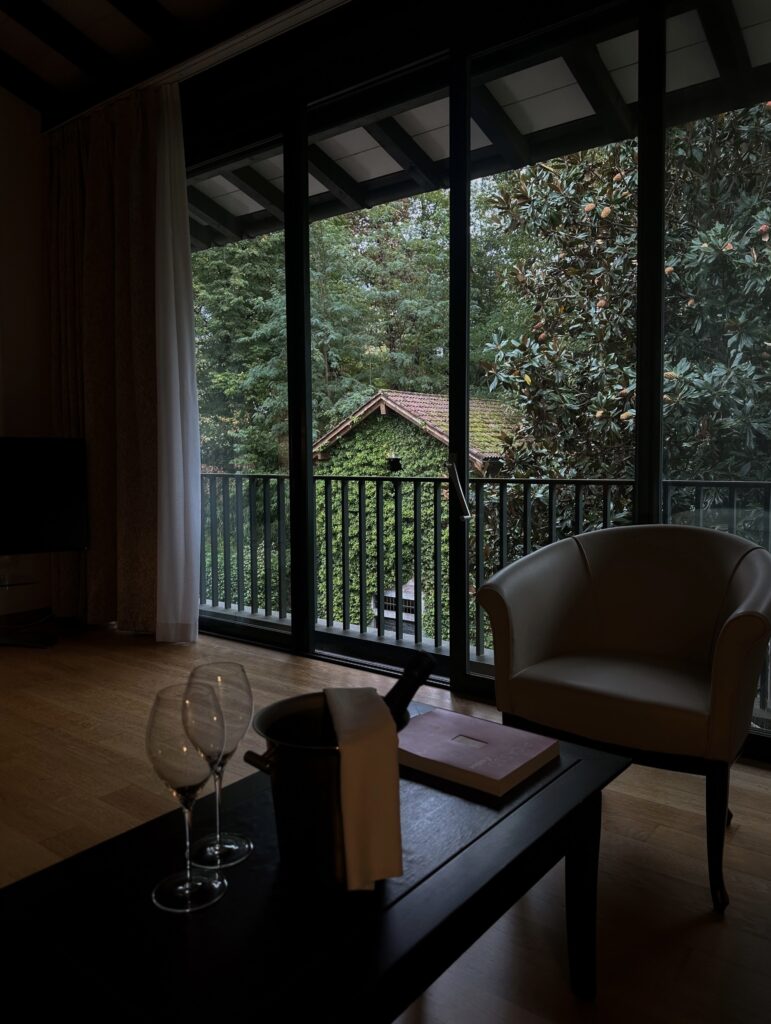

The character of Lugano also creates considerable possibilities for the property’s future. Unlike destinations defined by a single season, the city offers attractions throughout much of the year. Spring brings the flowering of gardens and the return of outdoor café culture, while summer introduces long evenings beside the lake, boat excursions and the pleasure of dining beneath the open sky. Autumn transforms the surrounding hills into a landscape of warm colours and offers an opportunity to discover the vineyards and culinary traditions of Ticino. Even during winter, Lugano retains a distinctive atmosphere, with cultural events, elegant shopping streets and the possibility of exploring the wider region without the intensity of the summer season.
Gastronomy forms an essential part of this regional identity. Ticino occupies a fascinating position within Swiss culinary culture, drawing heavily upon the traditions of Lombardy while retaining its own distinctive ingredients and preparations. Risotto, polenta, local cheeses, cured meats and seasonal produce remain important elements of the region’s cuisine, while the surrounding vineyards are particularly associated with Merlot. Traditional grotti, often situated in shaded woodland settings or beside the water, preserve a more informal style of regional dining, where simple dishes and local wines are enjoyed in an atmosphere of conviviality.
This culinary heritage offers a rich source of inspiration for the hospitality identity of Park Hotel Montalbano. In a destination where food and social life are so closely connected, the dining experience can become an important expression of the hotel’s relationship with its surroundings. The opportunity lies in creating a welcoming atmosphere that respects the region’s traditions while responding to the expectations of contemporary travellers. Whether through seasonal ingredients, thoughtful service or a genuine appreciation of local culinary culture, gastronomy can provide a meaningful connection between the hotel and the destination.
Lugano’s international character adds another dimension to this opportunity. The city has long attracted visitors for business, education, culture and leisure, supported by its proximity to Italy and its connections to the wider Swiss economy. Its financial and commercial activities contribute to a steady flow of international travellers, while institutions such as the Università della Svizzera italiana and the nearby TASIS international school reinforce the region’s connections with a diverse international community. For hotels capable of combining convenience with a more peaceful residential setting, this diversity creates opportunities to welcome guests travelling for very different reasons.
The location of Park Hotel Montalbano is particularly appealing in this respect. The tranquillity of the hillside provides a welcome contrast to the movement of the city, while Lugano’s railway station, cultural attractions and lakeside centre remain within easy reach. The wider region offers equally rewarding excursions, from the picturesque villages of Lake Lugano to the shores of Lake Como, the vineyards of Mendrisiotto and the mountain landscapes of southern Switzerland. This combination of accessibility and seclusion is one of the defining advantages of the property.
Beyond its geographical appeal, the hotel’s new chapter arrives at an interesting moment for hospitality in Lugano. The local hotel market is experiencing significant changes, with established properties undergoing renovation, changes of ownership and repositioning. These developments reflect both the enduring attraction of the destination and the evolving expectations of contemporary travellers. Hotels increasingly face the challenge of creating identities that are distinctive, commercially sustainable and relevant to a diverse international audience. Within this environment, the emergence of Park Hotel Montalbano represents an opportunity to approach an established property with a fresh perspective.
A successful hotel, however, is defined by more than its architecture, location or amenities. Its identity emerges through the quality of everyday experiences: the warmth of an arrival, the ease of a morning, the attention given to individual preferences and the sense of comfort that encourages guests to return. These qualities are particularly important in Switzerland, where hospitality has long been associated with reliability, professionalism and discretion. In Ticino, they are complemented by a more relaxed, Italian-influenced approach to social life, creating a distinctive combination of precision and warmth.
For Park Hotel Montalbano, this meeting of traditions offers a compelling foundation. The hotel’s setting already provides many of the elements that travellers seek when visiting Lugano: greenery, space, a peaceful atmosphere and proximity to one of Switzerland’s most beautiful lakeside cities. The next chapter will be shaped by the people responsible for translating those advantages into a coherent guest experience, from the development of the hotel’s identity to the standards of service and the relationships established with visitors.
There is something particularly appealing about the reinvention of an established hospitality address. Unlike an entirely new development, a property with an existing history already occupies a place in the memories of its guests and the surrounding community. Over the years, its rooms and gardens have formed the setting for holidays, family gatherings, business visits and countless personal moments. A new identity offers the possibility of respecting that continuity while introducing a different vision for the future. The challenge is not to erase what came before, but to create a new sense of purpose that gives the address renewed relevance.
Park Hotel Montalbano’s emergence can therefore be understood as part of a wider story about the evolution of Lugano itself. The city has always balanced tradition with change, preserving the elegance of its historic neighbourhoods while embracing contemporary architecture, cultural investment and international connections. Its enduring attraction lies in this ability to evolve without losing the qualities that make it distinctive. The same principle offers an appropriate direction for a hotel whose greatest assets are already deeply connected to its surroundings.
As the sun begins to descend behind the mountains and the evening light settles over Collina d’Oro, the appeal of this particular corner of Lugano becomes especially apparent. The atmosphere grows quieter, the gardens take on warmer colours and the surrounding hillside seems removed from the movement of the city below. It is a setting that encourages a slower appreciation of time, inviting visitors to discover the pleasures of the region beyond the familiar images of its waterfront and celebrated landmarks.
For Maison Blanche, the arrival of Park Hotel Montalbano represents a promising new chapter in the hospitality landscape of Lugano. Its significance lies not in the creation of an entirely new destination, but in the opportunity to give fresh life and identity to an established address in one of Ticino’s most appealing residential settings. Surrounded by the greenery of Collina d’Oro, close to the cultural richness of Lugano and connected to a region celebrated for its landscapes, gastronomy and quality of life, the property possesses the foundations for a distinctive hospitality experience.
As the transition takes shape, Park Hotel Montalbano invites a renewed appreciation of what makes this corner of Switzerland so special: the beauty of its natural surroundings, the richness of its cultural heritage and the understated elegance of life beside Lake Lugano. On the Golden Hill, a familiar address is preparing to tell a new story, one that begins with the landscape, continues through the art of hospitality and looks towards a future shaped by a fresh sense of identity.