
Born in Tehran in 1997, singer and songwriter Navan grew up in a conservative household where listening to music was considered a sin. Despite that environment, he discovered a passion for performance early, sneaking moments to sing and act whenever he could. In 2010 his family relocated to Montreal to pursue a better future. Immersed in French culture and learning English, he joined musicals theatre productions at age 12 and even performed with a full orchestras. Those early experiences set the stage for his future career.
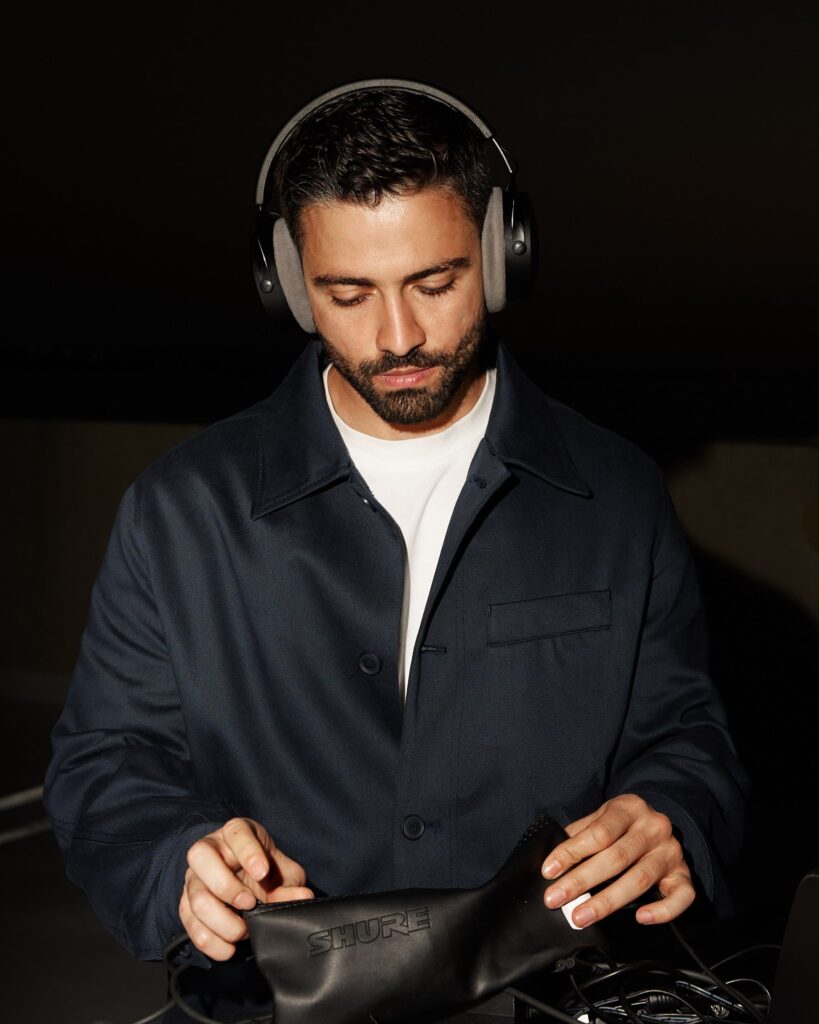
Navan’s artistic identity is shaped by his love of Persian poetry and Western pop. He cites Enrique Iglesias, The Weeknd, Bruno Mars and Harry Styles among his inspirations, yet he never lost the melancholy and depth of Persian melodies. This blend of influences led him to create a sound that is both familiar and foreign: lush synths and R&B; grooves underpin lyrics that shift seamlessly between Farsi, French and English. His trilingual approach reflects his own diasporic journey and allows him to connect with audiences across borders.
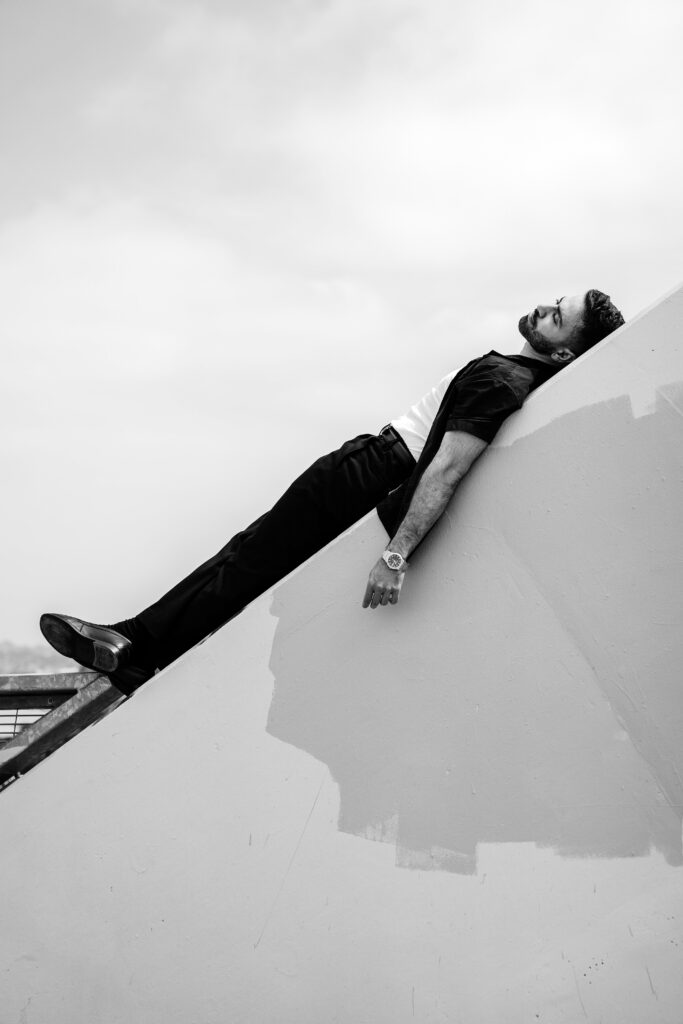
After moving to Toronto in 2012, Navan began writing and producing songs that chronicled his experiences as an immigrant. Years of hard work culminated in his professional debut in 2020. From the outset, he chose to be an ambassador for Persian culture in the Western music industry. Collaborations with Grammy nominated violinist Drew Jurecka, producer Ron Israeli and guitarist Babak Amini sharpened his musicianship and expanded his reach. A 2025 tour in support of his debut album ‘Mesle Ghabl’ sold out venues across North America and the Middle East, and he even shared the stage with Persian pop legend Ebi at Toronto’s Scotiabank Arena. Even while touring, he kept writing; in just four years he has penned more than 300 songs.

Navan’s lyrics often address themes of longing and displacement. The song ‘Darya’, which he calls a love letter from the sky to the sea, was written after the death of his grandmother and captures his grief at being unable to return to Iran for her funeral. He has also used his platform to support humansrights causes. In 2023 he collaborated with TunisiansAmerican vocalist Emel Mathlouthi on the protest song ‘Mara Beboos’, blending Arabic and Farsi to imagine a world where people can live freely. The song resonated deeply with listeners following womensled protests in Iran and underscored his commitment to using music as a form of witness and solidarity.
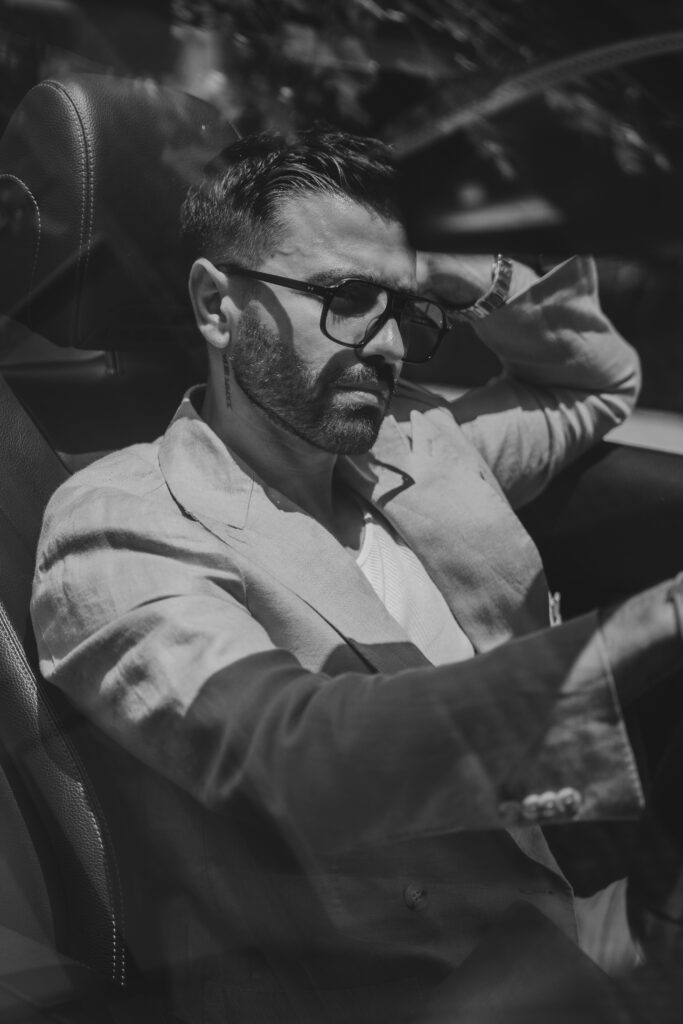
An equally spontaneous collaboration with French singer Oria resulted in a trilingual track recorded in a Paris hotel room. Capturing the excitement of travel and cultural exchange, the song went viral online and introduced both artists to new audiences. Such projects reinforce Navan’s belief that language barriers can be bridges rather than walls. By mixing Farsi, French and English, he invites listeners into an intimate dialogue about identity, love and hope.
Navan continues to evolve. His latest album ‘Kisses on the Moon’ weaves Persian and French throughout, telling stories of longsdistance relationships, ambition and resiliences. He is involving both Iranian and French artists, further expanding his sonic palette and showcasing the richness of both cultures. Beyond chart success, he has a clear mission: to become the first artist of Persian heritage to win a Grammy and to bring Persian music into mainstream global consciousness. He is driven by a desire to honour his homeland while embracing his adopted home, and he hopes his success will inspire young immigrants to pursue their dreams without abandoning their roots.

On stage, Navan feels most at home. He often tells fans that performing live is where he is reminded why he makes music. Each concert is an act of communication between languages, cultures and generations. As he sings to audiences around the world, he embodies the resilience of the Persian diaspora and the possibility of harmony between East and West. His journey from a household that forbade music to international tours shows that hard work and authenticity can carve out a space even in industries that have long overlooked nonsWestern voices. Navan’s story is still being written, but his voice already carries the hopes of a generation that straddles multiple worlds.