
A Hundred Years of Tokyo, Behind a Wooden Door
Tokyo is often celebrated for its extraordinary modernity, a metropolis of illuminated skyscrapers, ambitious architecture and neighbourhoods that seem to reinvent themselves with every passing decade. Yet some of its most fascinating stories survive far from the celebrated towers and grand international hotels, concealed within narrow streets where everyday life continues at a distinctly different rhythm. In the historic district of Tsukiji, famous throughout the world for its extraordinary culinary heritage, Hotel Suzumeya Tsukiji offers an intimate encounter with a Tokyo that is becoming increasingly difficult to find. Occupying a carefully restored wooden house dating back approximately a century, this remarkable little property celebrates craftsmanship, neighbourhood traditions and the simple pleasure of experiencing Japan from within its everyday life.
The story of Suzumeya begins with the history of Tsukiji itself. In September 1923, the Great Kantō Earthquake devastated vast areas of Tokyo, forcing the city to rebuild much of its urban landscape. The decades that followed transformed the capital, and Tsukiji became one of the defining centres of Japanese food culture. Among the modest wooden buildings that emerged during this period was the house that would eventually become Suzumeya. Almost a hundred years later, its restoration offered an opportunity to preserve a fragment of Tokyo’s architectural memory while introducing a new generation of travellers to the traditions of the neighbourhood. Opening as a small hotel at the end of 2023, Suzumeya embraced a philosophy that feels particularly meaningful in contemporary Japan: rather than replacing the past, it would give it another life.
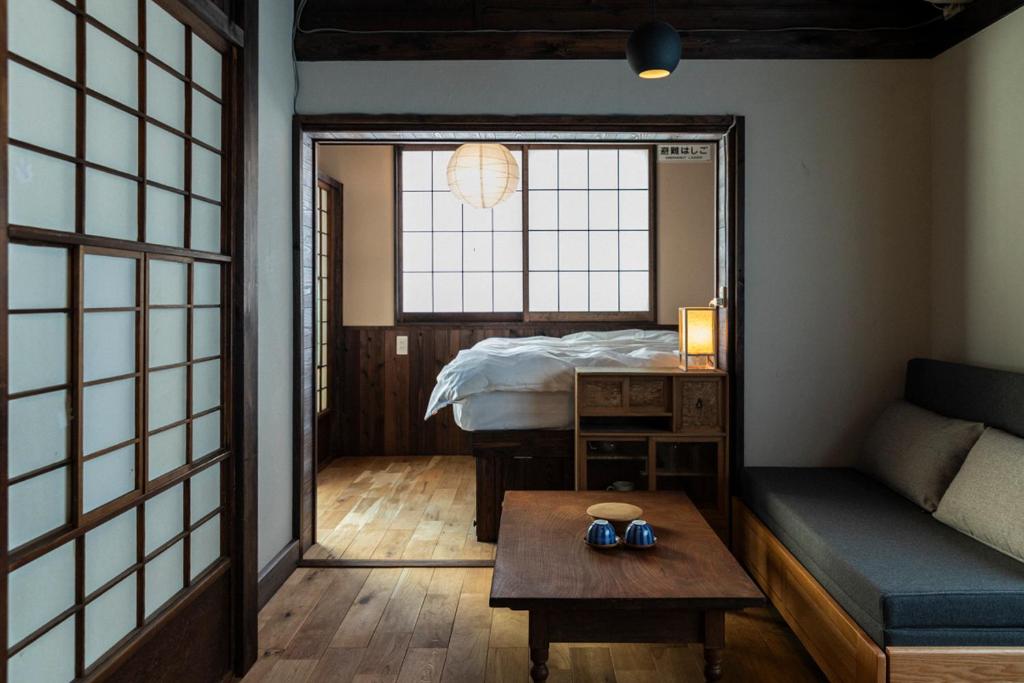
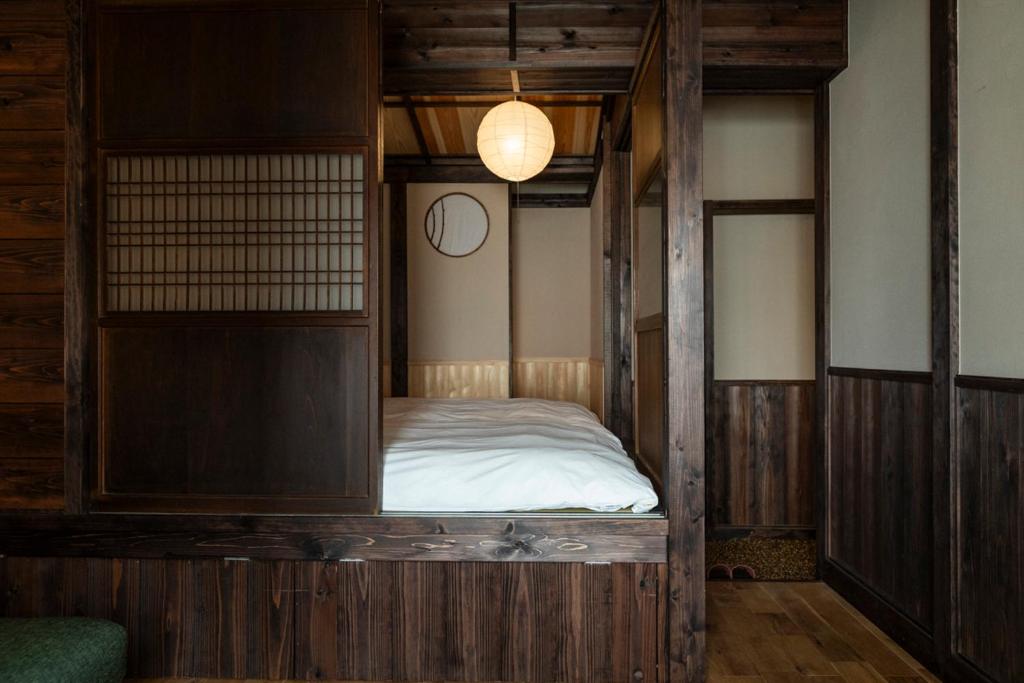
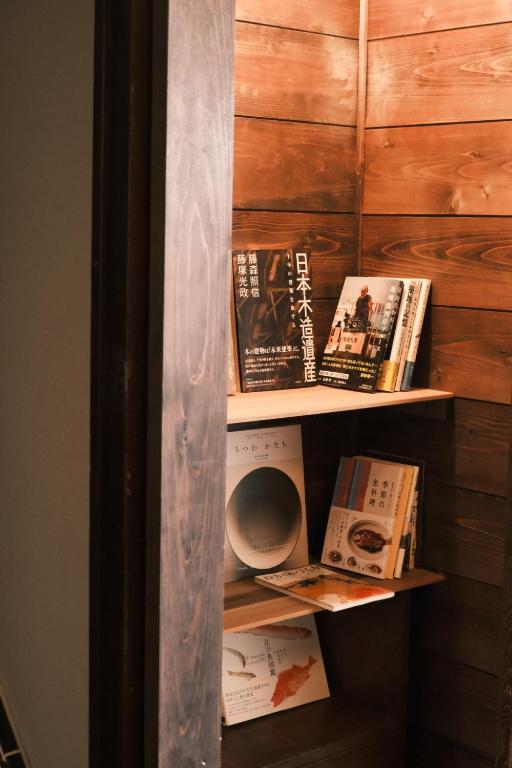
The hotel’s architecture is central to its identity. Its original building belongs to the tradition of Japanese wooden townhouses, where modest proportions, carefully considered construction and natural materials create an atmosphere of warmth and intimacy. The restoration respects this heritage while introducing the comforts expected by contemporary travellers, allowing the character of the old structure to remain visible. Wood, understated furnishings and the quiet beauty of traditional craftsmanship establish an environment that feels deeply connected to Japanese domestic life. Nothing here depends upon architectural extravagance or monumental scale. The appeal lies in the sensitivity of the details and the knowledge that the building has witnessed almost a century of transformation in the surrounding city.
Today, Suzumeya extends across its original building, known as Honten, and a separate annex called +kitchen, offering just four guestrooms between them. The intimate scale is fundamental to the experience, creating a sense of individuality rarely encountered in larger metropolitan hotels. While the original house offers the atmosphere of a traditional Japanese residence, the annex introduces a more contemporary interpretation of neighbourhood living. Its rooms, Moku and Yoha, feature small kitchens, allowing guests to explore the nearby market, purchase ingredients and prepare their own meals. This thoughtful arrangement transforms the familiar experience of visiting Tokyo into something more personal, encouraging travellers to participate in the rhythms of the city rather than simply observe them.
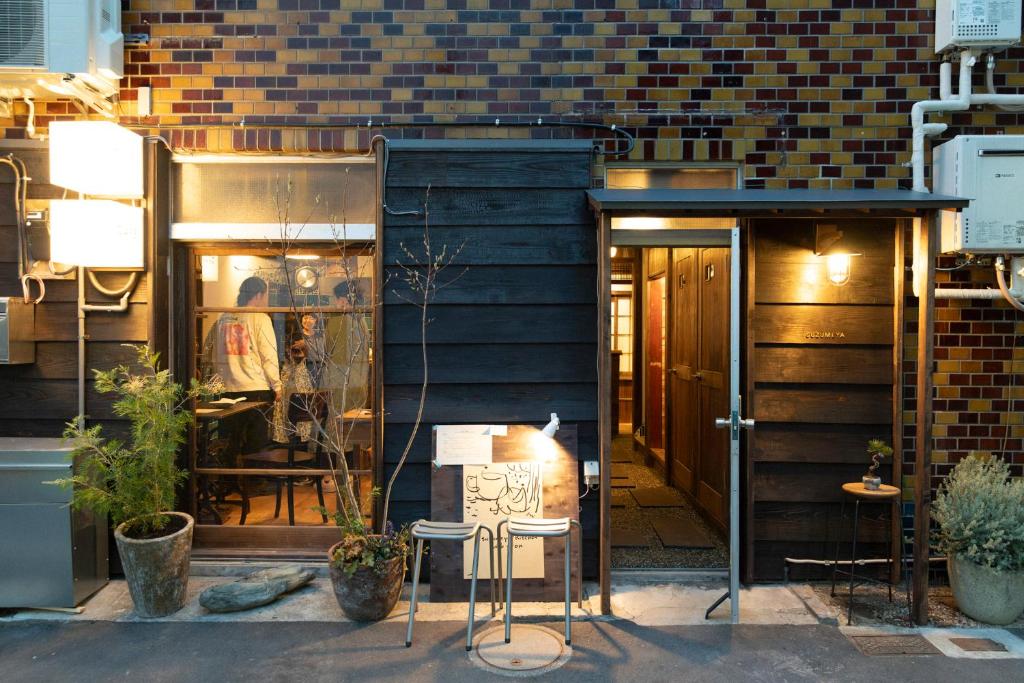
The location could hardly be more appropriate for such a philosophy. Tsukiji remains one of Tokyo’s most fascinating culinary districts, despite the relocation of its famous inner wholesale fish market to Toyosu in 2018. The Outer Market continues to thrive, with generations of merchants, specialist food shops, restaurants and artisans preserving the extraordinary commercial culture that made the neighbourhood internationally celebrated. Walking through its streets in the early morning reveals a world of carefully sharpened knives, freshly prepared seafood, dried ingredients, traditional sweets and conversations exchanged between shopkeepers who have devoted their lives to their craft. For guests of Suzumeya, this world begins almost immediately outside the door, creating a connection between accommodation and destination that feels wonderfully natural.
Morning is perhaps the most rewarding time to experience the neighbourhood. Before the crowds arrive, Tsukiji belongs largely to the people who work there, and its streets reveal a different personality from the lively destination encountered later in the day. Shopkeepers prepare their displays, ingredients arrive and the distinctive sounds of commerce begin to fill the narrow lanes. Suzumeya embraces this atmosphere through its breakfast offering, which draws upon carefully selected ingredients and the comforting simplicity of Japanese home cooking. Rice prepared in a traditional earthenware pot, gentle rice porridge and thoughtfully assembled breakfast sets reflect an approach to food in which quality and care are more important than unnecessary complexity. The experience feels less like a conventional hotel breakfast and more like being welcomed into a Japanese home.
Food also forms an essential part of the hotel’s broader identity. At its Suzumeya Tea & Café, guests and neighbourhood visitors can enjoy tea, coffee, light meals and small desserts, extending the property’s hospitality beyond those staying overnight. The kitchen is conceived as a place of exchange, where culinary curiosity becomes a way of understanding the surrounding community. Suzumeya also introduces visitors to Japanese cooking traditions through experiences that may involve selecting ingredients, preparing rice in a donabe clay pot and learning the importance of dashi, the delicate stock that forms the foundation of so much Japanese cuisine. These are modest rituals, yet they reveal something profound about Japanese food culture: the belief that exceptional results begin with respect for ingredients, tools and technique.
What distinguishes Suzumeya even further is the personal relationship its team cultivates with the neighbourhood. Rather than offering only conventional sightseeing recommendations, the hosts introduce guests to the history, craftsmanship and everyday traditions of Tsukiji. Their approach reflects a form of hospitality rooted in human connection, where conversations and shared discoveries become as meaningful as the accommodation itself. The Japanese concept of omotenashi is often associated with immaculate service in luxury hotels, but Suzumeya offers a more intimate expression of the same spirit. Hospitality here is found in the willingness to share local knowledge, recommend a favourite shop or help a visitor understand the cultural significance of an ordinary object or meal.
This emphasis on community becomes particularly poignant as Suzumeya prepares to enter a new chapter of its own history. Tokyo’s architectural landscape is famously dynamic, and even buildings that have survived for generations are not immune to the relentless pace of redevelopment. In spring 2027, the original century-old wooden house that has given Suzumeya so much of its character is scheduled to be demolished, bringing an emotional conclusion to an important chapter of the hotel’s story. Yet the spirit of Suzumeya will not disappear with its walls. A new home is being prepared along a quiet backstreet in the heart of Tokyo, with six guestrooms and a ground-floor space devoted to exploring everyday life, food culture and traditional craftsmanship. There is something profoundly Japanese about this willingness to embrace change without abandoning the values that give a place its identity. Buildings may disappear, neighbourhoods may evolve and familiar streets may become unrecognisable, but the traditions, relationships and memories that define them can continue to find new expressions. Suzumeya’s next chapter is therefore not simply a relocation; it is a reminder that cultural preservation is not always about keeping things exactly as they were, but about carrying their meaning thoughtfully into the future.
The hotel’s position also makes it an appealing starting point for exploring the wider city. The elegance of Ginza, with its celebrated department stores, international fashion houses and sophisticated dining culture, lies within walking distance, offering a striking contrast to the lively market streets of Tsukiji. Nearby, the historic Tsukiji Hongwanji temple introduces another architectural dimension, while the waterfront and surrounding districts reveal the relationship between Tokyo and the waterways that helped shape its commercial development. Yet the greatest pleasure of staying at Suzumeya may be the freedom to discover smaller details: an old shopfront, a beautifully arranged display of ceramics, a quiet residential street or a conversation with someone whose family has worked in the neighbourhood for generations.
In an era when luxury hospitality is frequently measured through scale, elaborate facilities and increasingly spectacular architecture, Suzumeya offers a compelling alternative. Its value lies in authenticity, craftsmanship, intimacy and the rare opportunity to experience Tokyo through a neighbourhood that continues to preserve its own identity. The hotel does not attempt to compete with the city’s grand international properties, nor does it need to. Its appeal is entirely different, rooted in the feeling of temporarily belonging to a place rather than merely visiting it. For travellers who appreciate architecture, Japanese culture and the stories behind historic buildings, this intimate property offers an experience that can be considerably more memorable than conventional luxury.
Ultimately, Hotel Suzumeya Tsukiji represents a beautiful interpretation of what thoughtful contemporary travel can become. A house built in the aftermath of one of Japan’s greatest disasters has been carefully given a new purpose, welcoming travellers into a neighbourhood whose traditions continue to shape the culinary identity of Tokyo. Its wooden architecture, intimate guestrooms, welcoming kitchen and personal approach to hospitality create an experience in which history is not simply something to admire, but something to inhabit. As Suzumeya prepares for its next chapter, its story becomes an especially moving reflection of the city itself: constantly evolving, occasionally saying farewell to the familiar, yet finding ways to preserve the traditions and human connections that matter most.
The charm of Suzumeya is found in its understanding that meaningful travel does not always require grandeur. Sometimes the most memorable experiences begin with a beautifully restored wooden house, a carefully prepared Japanese breakfast and a quiet morning walk through streets that have witnessed generations of change. As the original house prepares to become part of Tokyo’s memory, the spirit that gave it life will continue elsewhere. What made Suzumeya special was never confined to its wooden walls, but lives in the people who welcomed guests through its doors, the stories they shared and the culture they continue to celebrate. Wherever Suzumeya goes next, that spirit will travel with it, carrying a century of memories into a new chapter of Tokyo’s ever-changing story.