
Some men build companies. Others accumulate fortunes. A very small number become symbols of an entire nation. Gianni Agnelli was one of them.
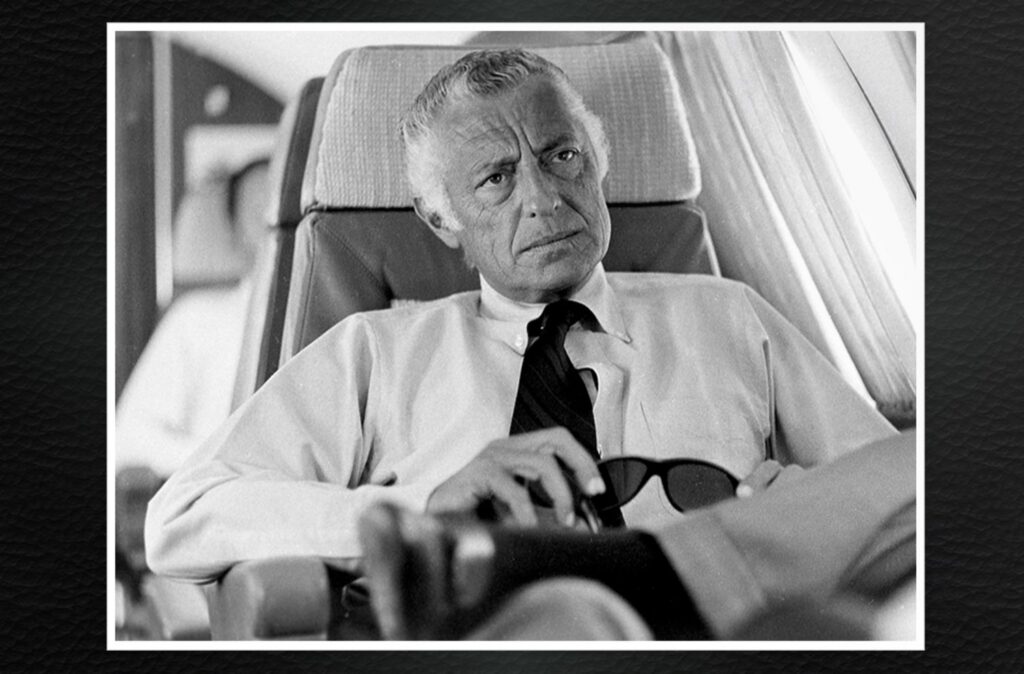
For more than four decades, the chairman of Fiat represented far more than Italy’s largest industrial empire. He embodied an idea of Italian elegance that seemed almost impossible to define yet instantly recognizable. Whether arriving at a board meeting wearing a perfectly tailored suit with his wristwatch fastened over the cuff of his shirt, steering a sleek Riva across the Mediterranean, skiing in St. Moritz or walking through the streets of Turin, Agnelli possessed that rare quality that cannot be manufactured. He never appeared to be trying. Everything looked effortless. Long before phrases such as “quiet luxury” entered the modern vocabulary, Gianni Agnelli had already become its greatest ambassador.
Born on 12 March 1921 into Italy’s most influential industrial dynasty, Giovanni Agnelli inherited a legacy unlike almost anyone of his generation. His grandfather had founded Fiat in 1899, helping transform a young nation into an industrial power, while his family occupied a unique position at the intersection of business, politics and culture. Expectations surrounded him from birth. Yet history intervened before he could inherit responsibility.
Like many young Italians of his generation, Agnelli served during the Second World War, fighting on the Eastern Front and later in North Africa. War exposed him to hardship unimaginable within the privileged world into which he had been born. Friends would later remark that those experiences left him with an unusual calm, an understanding that life could never be entirely controlled.
It was perhaps this awareness that gave him his remarkable composure. He rarely hurried. He rarely raised his voice. Confidence became his natural language. When Gianni Agnelli assumed leadership of Fiat in 1966, Italy itself was changing. The country’s post-war economic miracle was transforming villages into cities, bicycles into automobiles and local ambitions into international ones. Fiat stood at the centre of this transformation. Under Agnelli’s leadership, the company became more than an automobile manufacturer. It became a symbol of modern Italy.
Cars such as the Fiat 500, the 124 and later the Panda offered mobility to millions, while the group’s influence expanded into engineering, publishing, finance and global industry. Factories stretched across Turin, employing tens of thousands of workers whose livelihoods became inseparable from Fiat’s success. Managing such an empire demanded extraordinary vision. Yet Agnelli approached business much as he approached style. Without unnecessary display. He understood that true leadership required perspective rather than constant visibility.
Board meetings often ended with discussions about art, architecture or politics. Industrial strategy existed comfortably alongside conversations about literature and design. To Agnelli, business was never isolated from culture. The two belonged together. Outside the boardroom, another Gianni Agnelli emerged. He became one of the twentieth century’s greatest style icons almost accidentally.
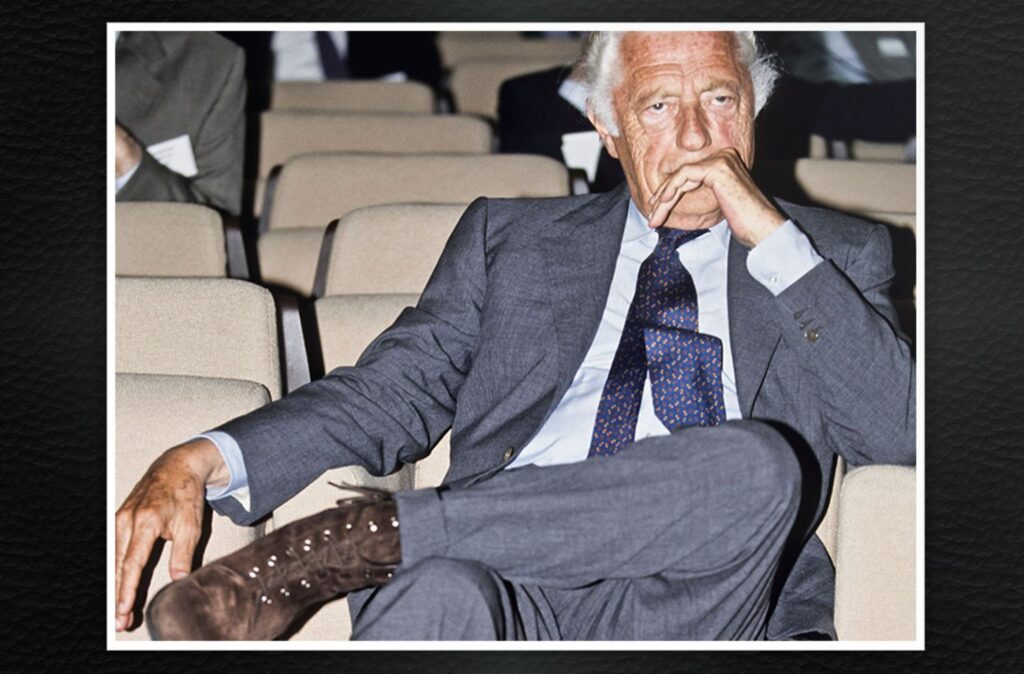
Unlike fashion models or celebrities, Agnelli never appeared interested in becoming elegant. Clothes simply formed part of his personality. Tailored suits by Caraceni, crisp Oxford shirts, handmade ties, cashmere sweaters draped casually across his shoulders and impeccably cut overcoats became extensions of a man who understood proportion instinctively.
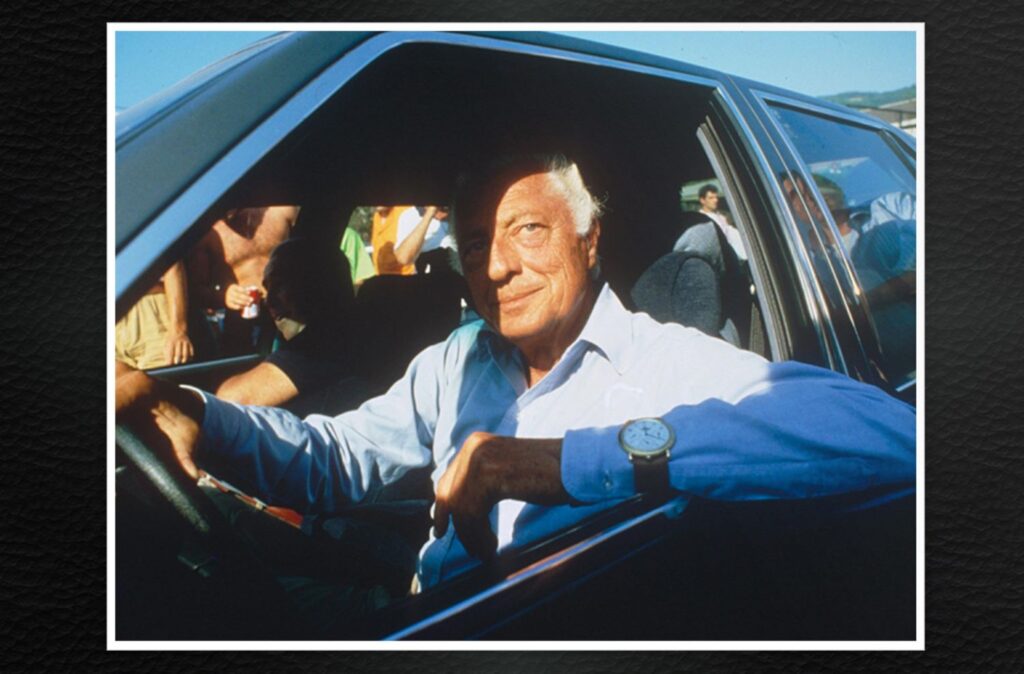
Then there were the details. His wristwatch worn over the shirt cuff. A tie deliberately sitting slightly off-centre. Hiking boots paired with bespoke tailoring. Denim worn beneath beautifully structured jackets. None of these choices were calculated acts of rebellion. They reflected complete freedom from convention. Style, Agnelli believed, should never become rigid. It should feel alive.
Designers, editors and photographers studied him obsessively. Ralph Lauren admired him. Tom Ford described him as one of the most elegant men who ever lived. Even today, menswear enthusiasts continue to analyse photographs of Agnelli with remarkable attention, searching for clues to an elegance that seemed impossible to imitate. The secret, however, was never the clothing. It was the man wearing it. His life unfolded among extraordinary company.
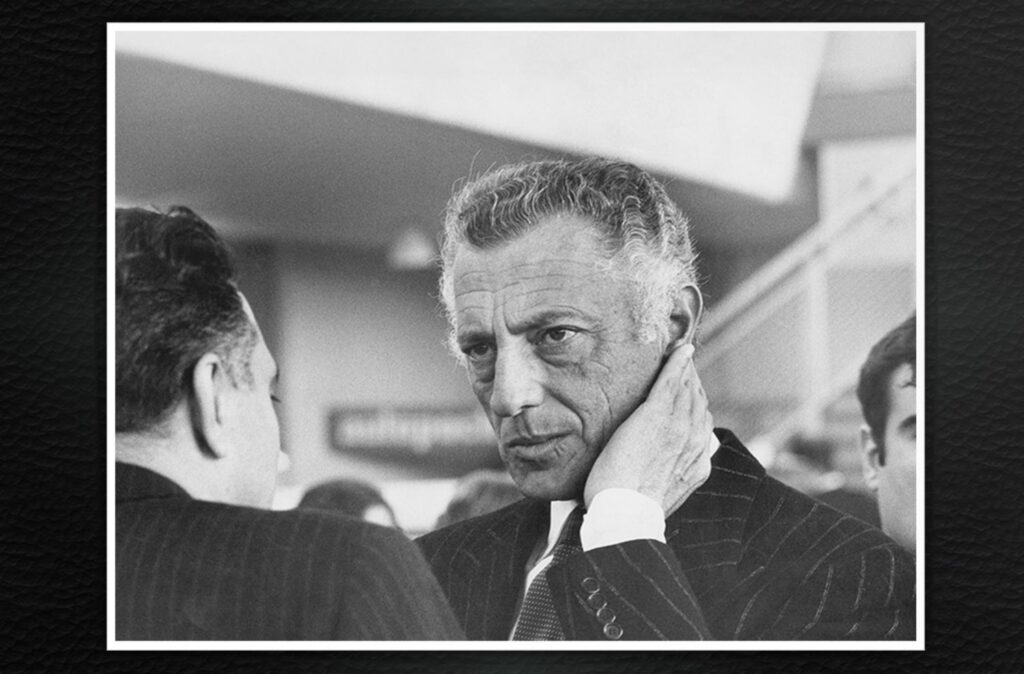
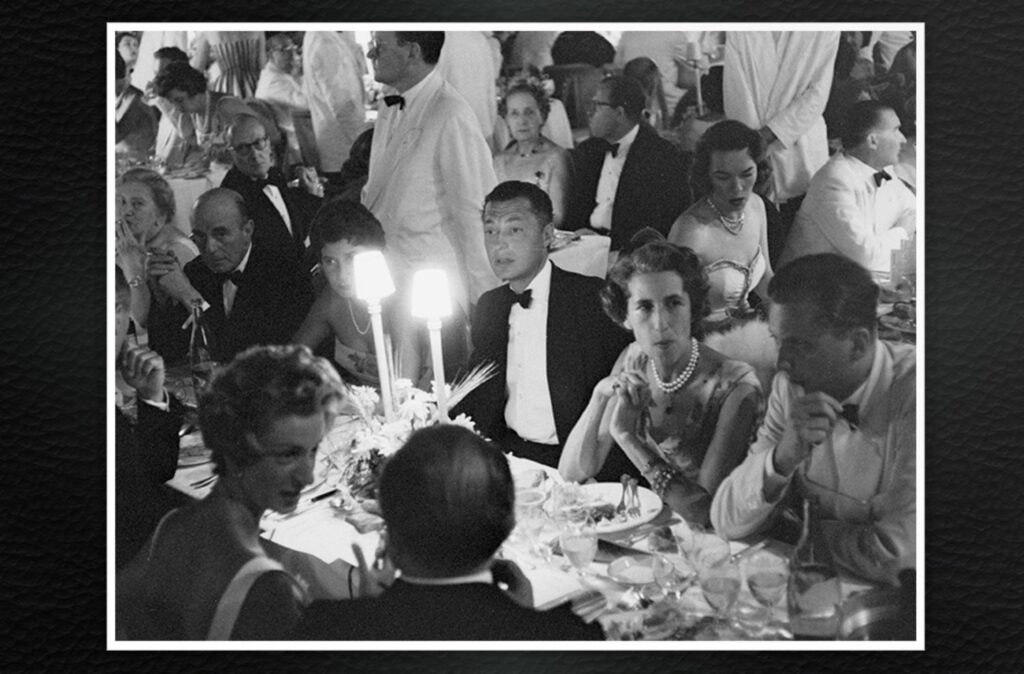
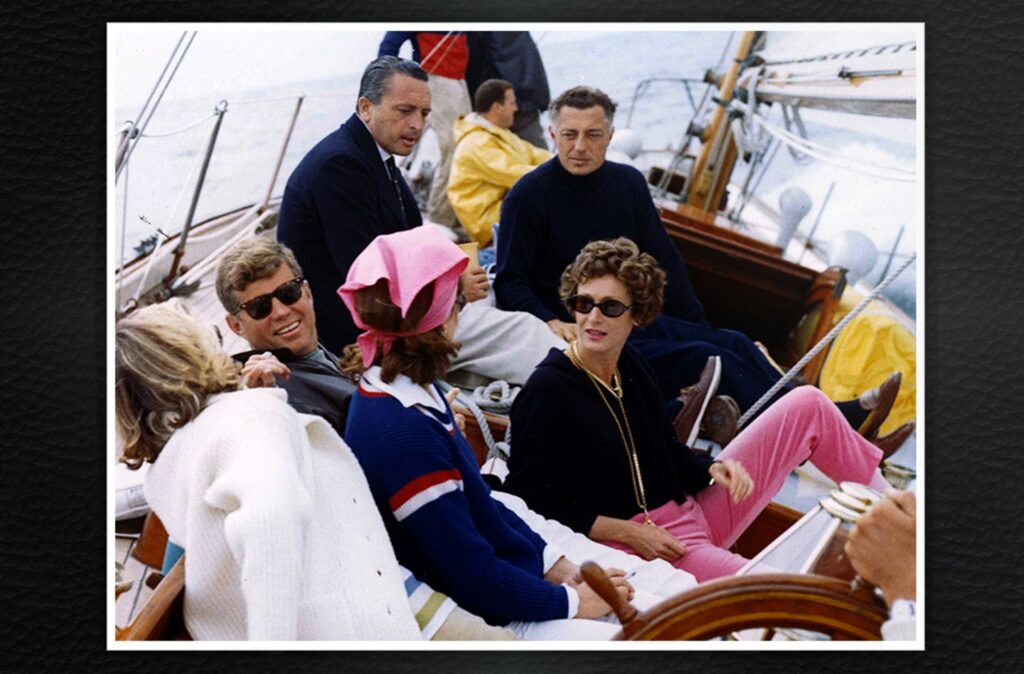
He was close to the Kennedys, admired by Andy Warhol, photographed by Richard Avedon and welcomed effortlessly into the worlds of royalty, politics and international business. Truman Capote included him among the defining personalities of his era, while European aristocracy regarded him almost as one of their own. Yet despite his immense wealth, Agnelli rarely projected extravagance. He preferred beautifully made objects to conspicuous ones. His homes reflected this philosophy.
The famous Villa Frescot overlooking Turin combined modern art with classical architecture in a way that felt deeply personal rather than decorative. Paintings by Picasso, Canaletto, Bacon and Matisse lived comfortably alongside contemporary furniture chosen not to impress visitors but because he genuinely admired great design. His yachts became equally legendary.
Most famous was Stealth, a sleek vessel whose understated elegance mirrored its owner perfectly. Summer days unfolded between the French Riviera, Corsica and Sardinia, where Agnelli entertained friends with remarkable informality despite moving within one of Europe’s most privileged circles. Cars, naturally, remained another lifelong passion. Although he presided over Fiat, his personal garage reflected genuine enthusiasm rather than corporate obligation. Ferraris, Lancias and specially commissioned automobiles appeared throughout his life, driven with the appreciation of someone fascinated by engineering as much as aesthetics.
For Agnelli, beauty and performance were inseparable. Perhaps that explains why architecture, industrial design and fashion interested him so deeply. Everything deserved to function beautifully. Yet behind the glamour lay considerable personal tragedy.
His only son, Edoardo, struggled for many years before dying in 2000. The loss devastated Agnelli. Those close to him noticed an unmistakable sadness during his final years, one that no public success could entirely conceal. Leadership carried loneliness. Privilege offered little protection against grief. When Gianni Agnelli died in January 2003, Italy mourned as though it had lost a member of its own family. World leaders attended his funeral. Industrialists, artists, designers, politicians and ordinary workers stood together in Turin, recognising that an extraordinary chapter of Italian history had come to an end. No successor could entirely replace him. Not because of the companies he led. But because personalities like his no longer seemed possible. Today, more than two decades after his death, Gianni Agnelli remains astonishingly relevant.
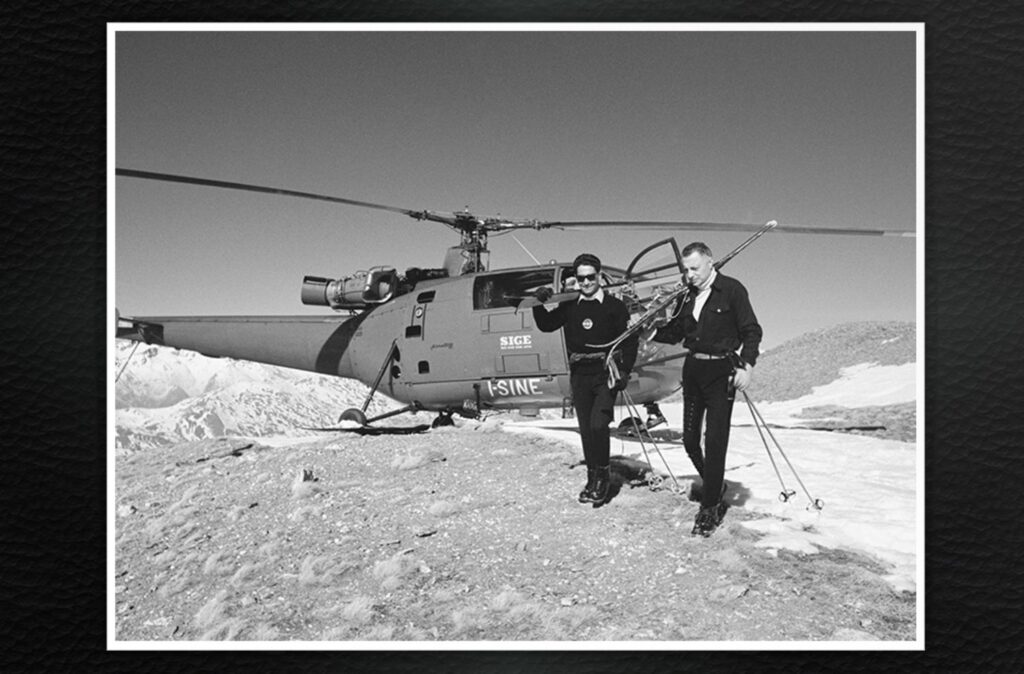
Modern menswear continues to borrow his relaxed tailoring. Entrepreneurs admire his ability to unite commerce with culture. Designers still reference his effortless approach to elegance, while photographs of him continue circulating as though taken yesterday rather than half a century ago. Perhaps this enduring fascination exists because Agnelli represented something increasingly rare. He belonged to a generation for whom elegance was never about branding. Luxury was understood privately. Taste revealed itself quietly. The finest things in life required neither explanation nor display.
Maison Blanche Reflection
Gianni Agnelli once remarked that “quality is remembered long after price is forgotten.” The observation applied equally to automobiles, architecture, clothing and life itself.
He understood that genuine elegance cannot be purchased overnight, copied from magazines or manufactured through trends. It emerges slowly through curiosity, confidence and the courage to develop one’s own point of view.
More than an industrialist, more than a style icon and more than the heir to Italy’s greatest business dynasty, Gianni Agnelli became the embodiment of a disappearing ideal. The gentleman whose greatest luxury was never what he owned. It was the effortless way he lived.