
In our fashion pages we love brands that marry heritage with modernity, and there are few better examples than FPM Milano. Founded in 1946 as Fabbrica Pelletterie Milano, the company originally produced leather bags and trunks, showcasing Milanese craftsmanship and Italian aesthetics. After a period of dormancy, the brand was revived by the founder’s son Beppi Fremder, who had spent decades at Samsonite. Seeking to build on his family’s legacy, he enlisted award‑winning designer Marc Sadler to reimagine the house’s travel cases.
The Bank collection: luggage like a vault
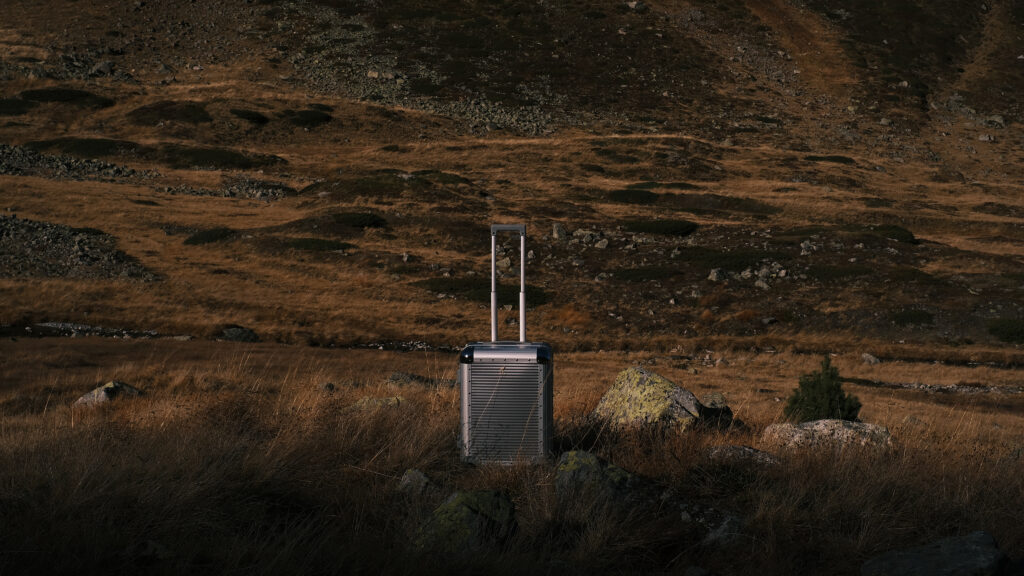
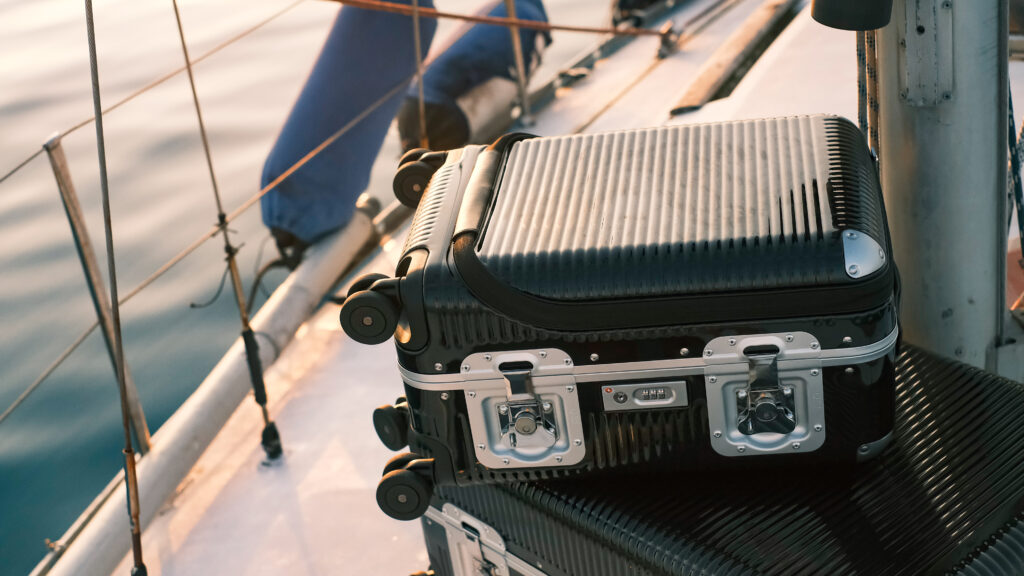
Sadler’s vision resulted in the Bank collection, launched in 2015 and named to suggest the security of a vault. The collection’s aluminium cases are made from multiple layers rather than a single sheet, with hand‑set rivets of zinc‑coated antirust iron to fortify stress points. The materials undergo a meticulous anodising process to protect against oxidation and rust, giving the suitcases their industrial sheen. Each case features FPM’s signature Butterfly Lock, smooth‑rolling Japanese wheels and a telescopic handle that adjusts to any height. Customers can personalise their luggage with straps, charms and custom interiors.
The Bank’s success inspired offshoots such as the sportier Bank S and lighter polycarbonate Bank Light. FPM’s aesthetic, a seamless marriage of Italian artisanship, functionality and durability — has attracted a global following. In North America the brand is sold at Saks, Bloomingdale’s, Neiman Marcus and other high‑end retailers.
Collaborations and special editions
FPM’s robust trunks have become a canvas for creative collaborations. Gucci Porter, launched in 2023, reinterprets the Bank cabin trolley with the Florentine house’s flair. Crafted from aluminium, the case features 128 hand‑mounted rivets and secure butterfly locks; its strap bears Gucci’s iconic red‑and‑green stripe and frames a GG monogram panel. The piece is an homage to a lifestyle of nomadic luxury — a trunk that looks equally at home on a private jet or in a five‑star lobby.
In 2025 Golden Goose joined forces with FPM on a Sneaker Travel Capsule released during Milan Design Week. The limited edition includes a Bank Cabin Sneakers Edition, featuring modular compartments for sneakers, and a Bank Sneakers Case. Both are fashioned from FPM’s signature aluminium shell with Italian leather accents and are designed to let collectors travel with their prized footwear in style.
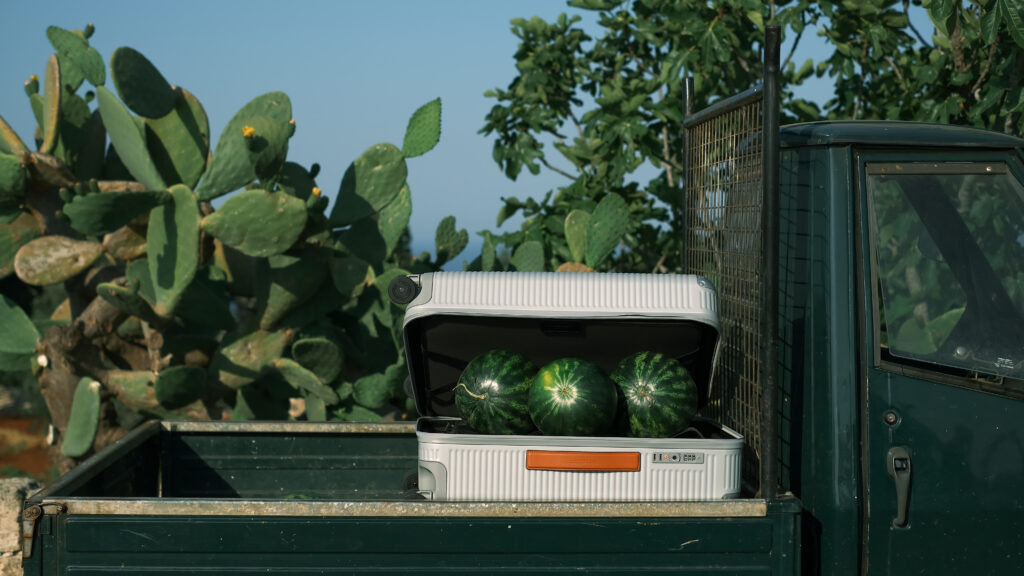
FPM’s special editions often blur the line between luggage and lifestyle. The company has produced trunks with a fully collapsible Pilates reformer, pet carriers for jet‑setting animals and travelling bars complete with mixology tools. There are cases equipped for chefs, writers and adventurers — each demonstrating FPM’s willingness to transform utilitarian objects into mobile experiences. These projects feed into the brand’s collaboration roster, which has included limited‑edition pieces for Fendi and Chanel among its private‑label clients.
Why FPM Milano feels different
Beyond the glamour of collaborations, FPM’s appeal lies in the tactile pleasure of its suitcases. The aluminium shells recall vintage trunks; the hand‑set rivets and butterfly locks satisfyingly click shut. Inside, interiors combine Italian leather with modular panels and straps. As executive Earl Rotman explained in an interview, customers “feel confident that their valuables will be protected by our superior construction”. The brand’s discreet distribution, available in only 32 countries, gives its cases an aura of exclusivity. FPM Milano shows that the most compelling fashion pieces don’t just look beautiful; they have a story and a purpose. Whether you’re packing a capsule wardrobe or a record collection, these trunks evoke a bygone era of travel while embracing modern innovation. In a world of disposable bags, FPM invites us to slow down, invest in craftsmanship and treat our belongings with care. The next time you spot a gleaming aluminium case rolling through an airport lounge, there’s a good chance it carries the legacy of a small Milanese workshop turned global design phenomenon.