
The City of Tomorrow Has a New Grand Address
Tokyo has never been a city content with standing still. Its skyline is a magnificent expression of ambition, its streets an exhilarating collision of centuries, and its culture a remarkable demonstration of how tradition and innovation can exist in perfect harmony. From the electric energy of Ginza to the quiet gardens of the imperial capital, Japan’s extraordinary metropolis continues to reinvent the very meaning of urban sophistication. Now, high above the shimmering waters of Tokyo Bay, a legendary name in international hospitality has arrived to write an entirely new chapter in the city’s story. Welcome to Fairmont Tokyo, where the grandeur of a century-old luxury institution meets the imagination of contemporary Japan, and where one of the world’s most exciting cities unfolds in spectacular fashion from the 35th floor upwards.
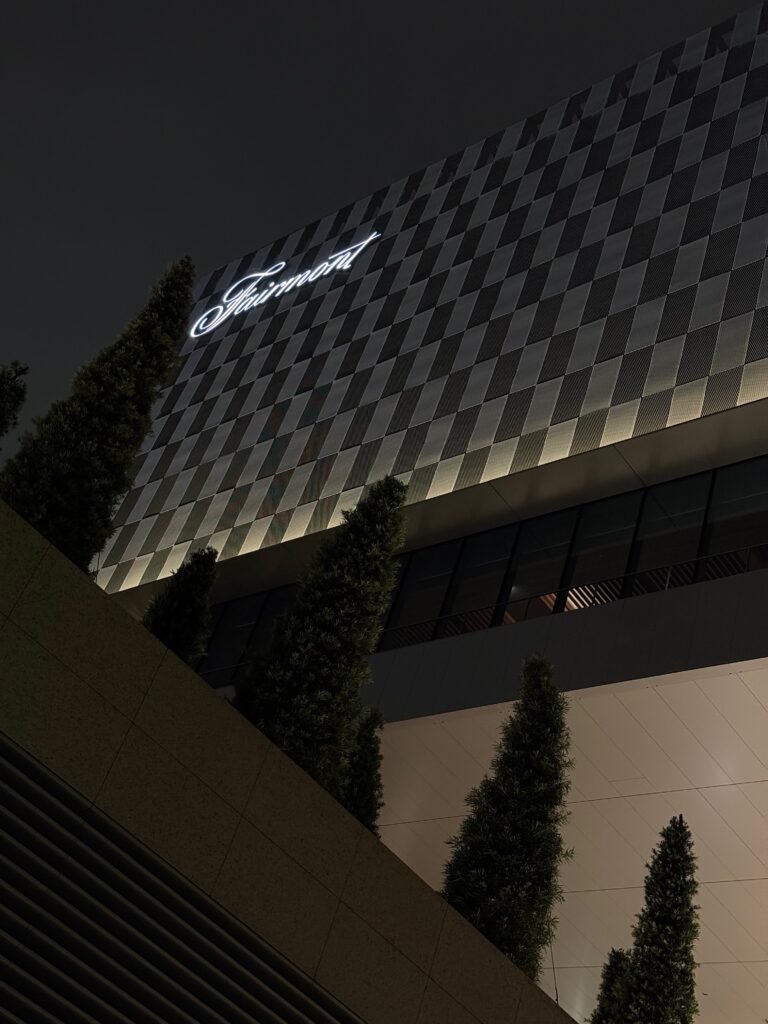
The opening of Fairmont Tokyo on 1 July 2025 marked an important moment in the evolution of Japanese luxury hospitality. For the first time, the celebrated Fairmont name established a presence in Japan, bringing with it a remarkable heritage of grand hotels, legendary gatherings and some of the world’s most recognisable addresses. The story began in San Francisco in 1907, when the original Fairmont opened its doors on Nob Hill, and continued through properties that would become inseparable from the histories of their cities. From London’s Savoy to the Château Frontenac in Québec and the magnificent Peace Hotel in Shanghai, Fairmont has long understood that a truly exceptional hotel must become part of the cultural identity of its destination. Its arrival in Tokyo therefore carries an ambition that extends far beyond the creation of another luxurious place to stay. Fairmont Tokyo has been conceived as a contemporary grand hotel for a new generation, a gathering place where design, gastronomy, art and social life come together above one of the most extraordinary urban landscapes on earth.
The choice of location is central to this ambition. Rising within the newly developed BLUE FRONT SHIBAURA Tower South, Fairmont Tokyo occupies floors 35 to 43 of an impressive architectural landmark overlooking the capital’s waterfront. To the west stands Tokyo Tower, the beloved symbol of Japan’s postwar optimism, while to the east the waters of Tokyo Bay stretch towards the horizon. Between these two extraordinary panoramas lies a city that seems to contain several worlds at once: historic temples, futuristic towers, elegant residential neighbourhoods, busy waterways and the endless movement of one of the planet’s great metropolitan centres. The hotel enjoys a perspective that few properties in Tokyo can rival, offering guests the rare pleasure of observing the city from above while remaining intimately connected to its energy.
Shibaura itself is a fascinating setting for this new chapter. Long before Tokyo became the dazzling international capital of today, the waterfront was part of Edo’s maritime world, where fishing communities, canals and coastal commerce played an essential role in the city’s development. The transformation of Edo into modern Tokyo brought extensive land reclamation and industrial expansion, while the opening of Japan to international trade accelerated the growth of its port infrastructure. During the twentieth century, the district became increasingly associated with transportation, commerce and urban development. Today, Shibaura is undergoing another remarkable transformation, with ambitious architecture, landscaped public spaces and waterfront regeneration reshaping the relationship between Tokyo and the sea. Fairmont’s arrival places the hotel at the heart of this evolution, in a neighbourhood that embodies the capital’s extraordinary capacity for reinvention.

The architectural setting is equally significant. BLUE FRONT SHIBAURA Tower South was designed by Maki and Associates, the architectural practice associated with the late Fumihiko Maki, one of Japan’s most influential architects and recipient of the prestigious Pritzker Architecture Prize. Maki’s approach to architecture was distinguished by an exceptional understanding of urban relationships, elegant proportions and the interaction between buildings and the spaces surrounding them. His legacy is particularly appropriate for a development seeking to reconnect the city with its waterfront. Within this striking structure, Fairmont’s interiors were entrusted to BAR Studio, the internationally acclaimed Melbourne-based design practice known for its sophisticated hospitality environments. The result is a compelling meeting of architectural vision and interior artistry, where the dramatic scale of Tokyo is balanced by a surprisingly intimate sense of comfort and refinement.
The experience begins long before guests reach their rooms. At street level, the hotel introduces an atmosphere of quiet sophistication, offering a welcome contrast to the movement of the surrounding city. Then comes the ascent to the 35th floor, where the arrival sequence becomes one of Fairmont Tokyo’s most memorable architectural gestures. The doors open onto a magnificent sky lobby, its generous proportions and soaring ceilings creating an immediate sense of occasion. Natural light pours through expansive windows, revealing the city in all its extraordinary complexity. Greenery softens the contemporary architecture, carefully selected materials introduce warmth, and outdoor terraces extend the interiors towards the skyline. It is a space designed to inspire that rare sensation of genuine arrival, the feeling that the journey has led somewhere remarkable.
BAR Studio’s design language is confident, contemporary and unmistakably elegant. Rather than relying upon conventional expressions of Japanese luxury, the interiors interpret the country’s aesthetic traditions through materials, textures and carefully composed details. Warm timber, natural stone, polished metals and richly layered fabrics establish an atmosphere of understated sophistication, while artistic references to traditional weaving and kintsugi, the Japanese art of repairing ceramics with precious metal, introduce a subtle cultural narrative. The design also draws inspiration from the concept of the engawa, the transitional space between a traditional Japanese residence and its garden, creating intimate areas where guests can sit beside expansive windows and contemplate the city beyond. These details demonstrate an understanding of Japanese aesthetics that feels thoughtful and contemporary, allowing the hotel to celebrate its destination without resorting to predictable decorative symbolism.
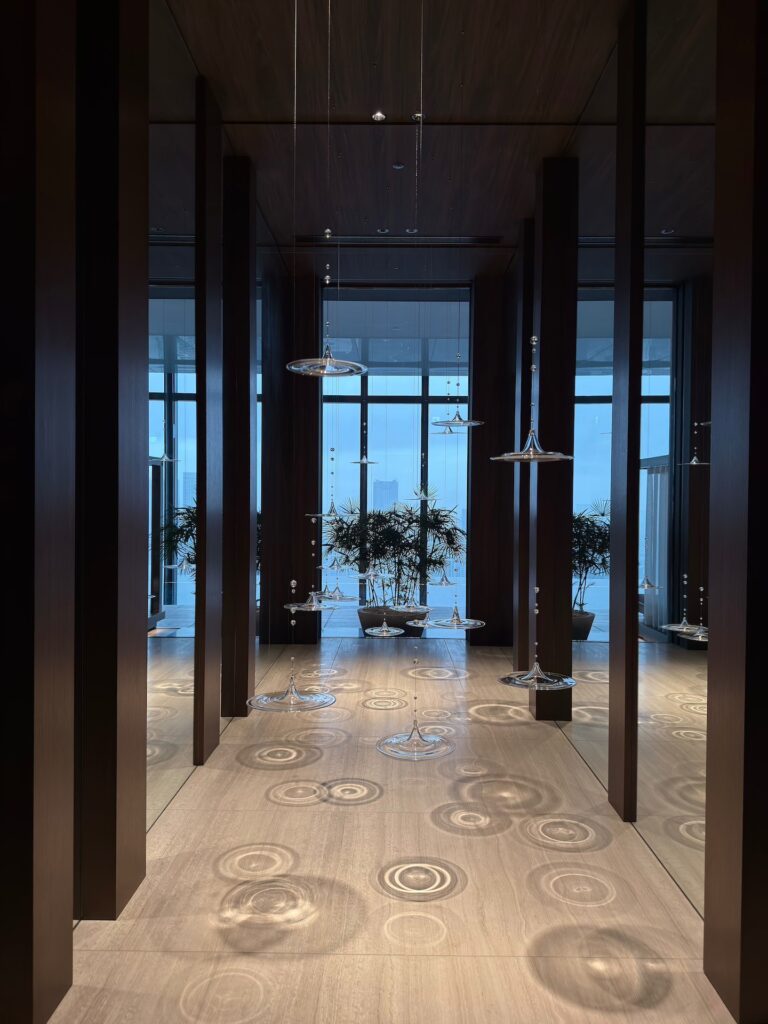
Art plays an essential role in completing this vision. Throughout the property, carefully curated installations and decorative elements introduce references to Japanese craftsmanship, natural forms and the changing character of the waterfront. The artistic programme is integrated into the architecture, creating a succession of visual discoveries rather than a conventional collection of objects. In the public spaces, the interplay between sculptural forms, carefully controlled lighting and the immense urban panorama creates an atmosphere that is both theatrical and contemplative. This sensitivity to visual composition is particularly important in a city such as Tokyo, where the relationship between art, design and everyday life has become an essential part of its cultural identity.
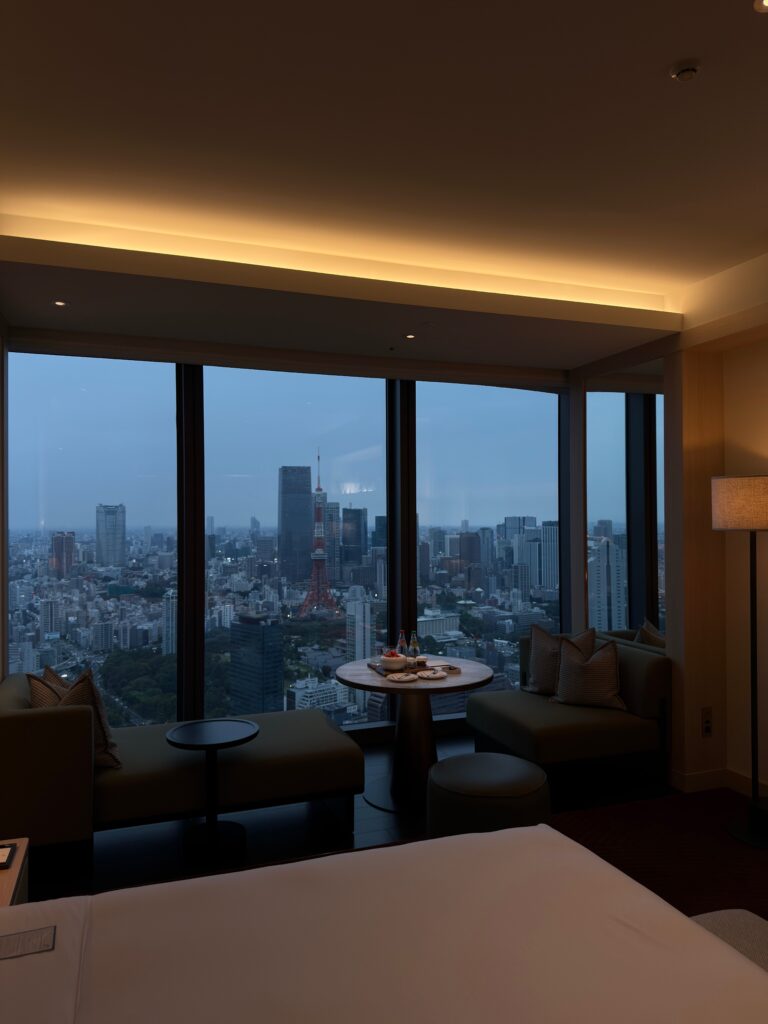
The guestrooms and suites continue the hotel’s architectural narrative with an exceptional sense of space. Fairmont Tokyo offers 217 accommodations, including 29 suites, with rooms beginning at a generous 52 square metres and the largest suites extending to approximately 278 square metres. In a metropolis where space is among the most precious luxuries, these proportions immediately establish a sense of distinction. Situated high above the city, the accommodations feature floor-to-ceiling windows framing remarkable views of Tokyo Tower, the surrounding skyline or the expansive waters of Tokyo Bay. The interiors combine beautifully finished wood, refined stone surfaces, tactile fabrics and contemporary furnishings, creating a residential atmosphere that feels elegant without sacrificing warmth. Every detail has been considered to encourage relaxation, from the carefully arranged seating areas to the generously proportioned bathrooms, where deep bathtubs and sophisticated amenities transform everyday routines into moments of quiet indulgence.

Yet the greatest luxury of these rooms may be the relationship they establish with the city itself. Tokyo changes dramatically throughout the day, and the extraordinary elevation of Fairmont allows guests to appreciate this transformation from a uniquely privileged perspective. In the morning, soft light moves across the rooftops and waterways, revealing the intricate geography of the capital. By afternoon, the city becomes a vast composition of architecture and movement, with Tokyo Tower standing proudly among the surrounding buildings. As evening approaches, the skyline begins its remarkable metamorphosis, and thousands of illuminated windows gradually transform the metropolis into a seemingly endless constellation of light. From the privacy of a guestroom, these changing scenes become part of the experience, offering a sense of connection with Tokyo that is both exhilarating and unexpectedly peaceful.
For those seeking an even more exclusive interpretation of the Fairmont experience, Fairmont Gold introduces the atmosphere of a private residence within the hotel. Occupying privileged floors and complemented by a dedicated lounge, the concept combines personalised service with an intimate environment designed for discerning travellers. Guests enjoy private check-in, thoughtfully prepared culinary presentations throughout the day and a level of individual attention that reflects Fairmont’s longstanding traditions of hospitality. The Gold Lounge offers a particularly appealing setting for breakfast, afternoon refreshments or evening cocktails, accompanied by panoramic views that reinforce the extraordinary character of the location. The experience is elegant without becoming excessively formal, reflecting the Japanese appreciation of attentive service delivered with discretion and sincerity.
If architecture establishes Fairmont Tokyo’s identity, gastronomy brings the property to life. The hotel’s collection of restaurants and bars has been conceived as an exciting addition to the capital’s already extraordinary dining landscape, offering experiences that range from refined Japanese craftsmanship to contemporary international cuisine and sophisticated nightlife. Tokyo has earned its reputation as one of the world’s greatest gastronomic capitals through an almost unparalleled devotion to quality, technique and innovation. Fairmont embraces this spirit with confidence, creating dining environments that are as visually compelling as the cuisine itself. Rather than presenting a single culinary identity, the property celebrates the diversity of the modern city, inviting guests to discover different flavours, atmospheres and interpretations of hospitality throughout their stay.
At Kiln & Tonic, the 35th-floor brasserie, the experience is vibrant, relaxed and wonderfully social. Inspired by coastal culinary traditions, the menu celebrates wood-fired cooking, beautifully prepared seafood, grilled meats and artisanal pizzas, accompanied by carefully selected wines and inventive cocktails. The restaurant’s terrace introduces one of the most spectacular dining settings in the city, with Tokyo Tower rising against the skyline. There is something particularly captivating about enjoying dinner here as the sun begins to disappear, watching the surrounding buildings illuminate while the familiar silhouette of the tower becomes increasingly dramatic. The atmosphere combines the sophistication of an international brasserie with the energy of contemporary Tokyo, making Kiln & Tonic an appealing destination for both hotel guests and residents of the capital.
On the opposite side of the hotel, Vue Mer offers a completely different personality. Overlooking the calm waters of Tokyo Bay, this beautifully designed lounge draws inspiration from French café culture and Japanese hospitality, creating an atmosphere of elegance and leisurely indulgence. Afternoon tea becomes a carefully choreographed experience, with exquisite pastries, seasonal creations and refined service presented against the expansive waterfront panorama. The setting is particularly beautiful during the afternoon, when natural light moves across the interiors and the bay appears almost luminous beyond the windows. The combination of contemporary design, delicate culinary craftsmanship and the pleasure of unhurried conversation makes Vue Mer one of the hotel’s most distinctive spaces, a place where the ritual of afternoon tea acquires an unmistakably Tokyo character.
Japanese gastronomy receives a more intimate interpretation at Migiwa, where sushi is approached with an appreciation for tradition, precision and contemporary creativity. At its exclusive six-seat counter, the relationship between chef and guest becomes central to the experience, allowing every stage of preparation to be appreciated at close range. Carefully selected seasonal seafood, the balance of perfectly prepared rice and the subtle variations of temperature and texture reflect the extraordinary discipline associated with Japanese sushi craftsmanship. Details such as ceramics restored through kintsugi and the presentation of freshly roasted hojicha introduce additional cultural depth, creating an experience in which every element contributes to a coherent culinary narrative. Nearby, Totsuji explores the refined world of teppanyaki, where exceptional ingredients are prepared with technical precision before guests, celebrating the theatrical beauty of Japanese cooking without sacrificing its essential restraint.
The hotel’s most energetic personality emerges on the 43rd floor, where DRIFTWOOD BAR & GRILL transforms dining and nightlife into an experience worthy of Tokyo’s extraordinary skyline. Here, the atmosphere becomes more dramatic, with sophisticated lighting, music and magnificent views creating the setting for evenings that extend well beyond dinner. The cuisine celebrates charcoal-grilled meats, premium Japanese beef and contemporary international influences, while the bar introduces inventive cocktails designed around the meeting of different cultures and flavours. The setting captures the glamour of the great metropolitan hotel, recalling an era when the most celebrated addresses in the world were also the most exciting places to gather. At Fairmont Tokyo, that tradition has been reinvented for a city whose nightlife continues to inspire international fascination.
Perhaps one of the property’s most intriguing spaces is OFF RECORD, an intimate listening bar inspired by Japan’s extraordinary relationship with recorded music. Tokyo’s listening-bar culture developed from a deep appreciation for jazz, vinyl records and high-fidelity sound, creating establishments where music could be experienced with the seriousness and attention normally associated with fine art. OFF RECORD embraces this tradition through a carefully curated collection of vinyl, sophisticated audio equipment and an atmosphere designed for genuine appreciation of sound. Rare spirits, inventive cocktails and intimate lighting complete the experience, offering a fascinating alternative to the conventional luxury hotel bar. It is a space that feels particularly appropriate in Tokyo, where cultural obsessions are often pursued with extraordinary precision and where the smallest details can become expressions of artistic devotion.
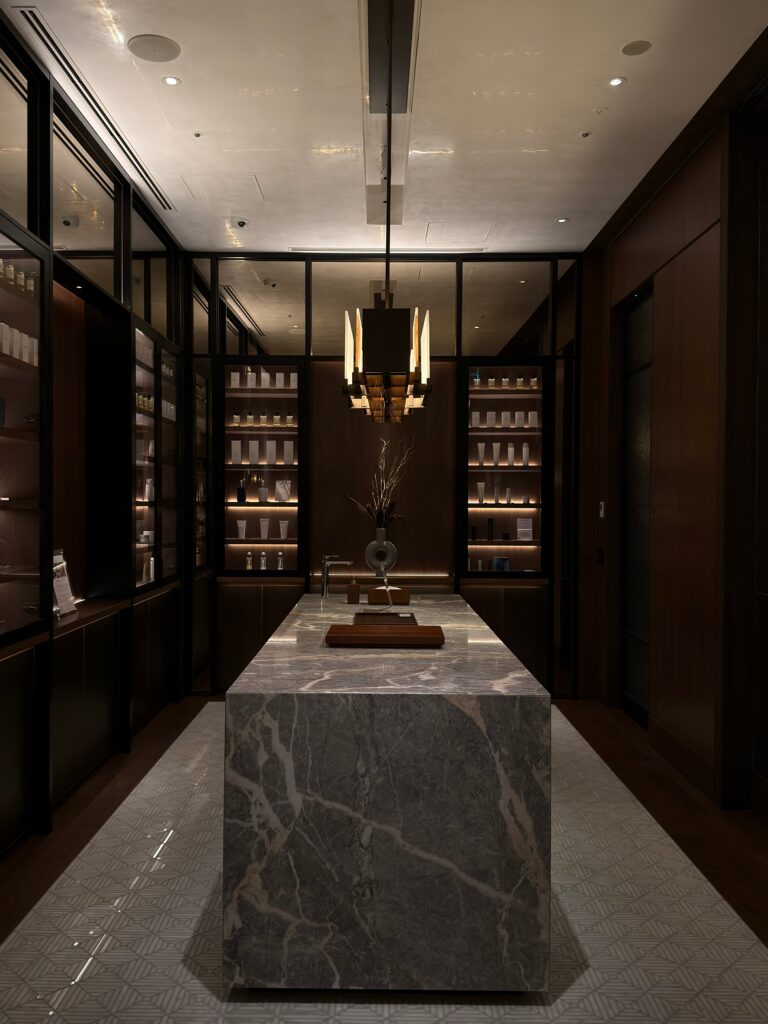
The wellness facilities introduce another remarkable dimension to Fairmont Tokyo. Situated on the 35th floor, the Fairmont Spa and Health Club has been conceived as an elevated sanctuary, where the energy of the city gives way to an atmosphere of restoration and calm. Its centrepiece is a magnificent 20-metre indoor infinity pool, offering extraordinary views of Tokyo Tower and the surrounding skyline. Swimming in such a setting creates an unusual sensation, as the movement of the water seems to merge with the immense cityscape beyond the windows. An outdoor relaxation pool and sundeck extend the experience into the open air, while saunas, treatment rooms and a fully equipped fitness centre complete the wellness offering. The contrast between the tranquillity of these spaces and the metropolis below is particularly striking, demonstrating how contemporary urban luxury can create a genuine sense of escape without requiring guests to leave the city.
The spa’s approach reflects the growing importance of wellbeing within international luxury hospitality, but its Japanese setting introduces a particularly meaningful cultural dimension. In Japan, bathing, contemplation and the appreciation of nature have long been associated with the restoration of physical and emotional balance. Fairmont interprets these traditions through contemporary treatments, carefully selected products and environments designed to encourage a slower rhythm. The result is a wellness experience that feels connected to the hotel’s broader philosophy, where architecture, natural light and the surrounding landscape play as important a role as the treatments themselves.
The hotel’s ambitions extend beyond accommodation, dining and wellness. Fairmont Tokyo has also been conceived as an important destination for celebrations and gatherings, continuing the brand’s historic association with grand social occasions. Its event spaces include the impressive Fairmont Grand Ballroom, capable of accommodating large-scale celebrations, alongside more intimate venues designed for private dinners, receptions and special events. This aspect of the property is particularly significant because it reflects Fairmont’s longstanding understanding that a great hotel becomes part of the life of its city. Weddings, anniversaries, business gatherings and cultural celebrations create memories that extend across generations, gradually transforming a new establishment into a place with its own history and emotional significance.
Beyond the hotel, the surrounding neighbourhood reveals another fascinating dimension of Tokyo. Nearby Zōjō-ji Temple, one of the most important Buddhist sites associated with the Tokugawa shogunate, provides a remarkable encounter with the city’s Edo-period heritage. Its monumental architecture and peaceful grounds stand beneath Tokyo Tower, creating an extraordinary composition of traditional Japan and twentieth-century modernity. The historic Kyū Shiba Rikyū Garden offers another opportunity to experience the refined aesthetics of Japanese landscape design, while the waterfront canals and newly developed public spaces of Shibaura reveal the capital’s continuing relationship with the sea. Ginza, Roppongi and the wider cultural attractions of central Tokyo remain within convenient reach, making Fairmont an appealing starting point for discovering the many personalities of the city.
What makes Fairmont Tokyo particularly compelling is the confidence of its vision. The property arrives in a city already celebrated for exceptional hotels, extraordinary service and some of the world’s most sophisticated hospitality experiences. Establishing a distinctive identity in such an environment requires more than impressive architecture or an internationally recognised name. Fairmont has responded by creating a property that embraces the social energy of Tokyo, the artistic traditions of Japan and the enduring glamour of the grand hotel. Its restaurants invite discovery, its bars encourage conversation, its public spaces celebrate human connection and its guestrooms provide an elegant retreat from the extraordinary intensity of the city. The result is a destination that feels ambitious, contemporary and deeply aware of the expectations of modern luxury travellers.
This philosophy is expressed through the Japanese concept of tsunagu, meaning to connect, which lies at the heart of the hotel’s identity. The idea encompasses connections between people, cultures, generations and places, reflecting Fairmont’s ambition to become an important gathering point within the city. It also offers a thoughtful interpretation of Japanese hospitality, where meaningful experiences are often created through gestures of attentiveness, shared appreciation and a genuine understanding of human relationships. At Fairmont Tokyo, these principles are expressed through the interaction between international and Japanese influences, between the energy of the city and the calm of the waterfront, and between the grandeur of the architecture and the intimacy of personal service.

As darkness falls across Tokyo, the full drama of the hotel’s setting becomes impossible to ignore. Tokyo Tower glows above the surrounding buildings, the waterfront reflects the colours of the city and the skyline stretches towards the horizon in every direction. On the upper floors, restaurants and bars fill with the gentle movement of conversation, while guests return to beautifully illuminated rooms overlooking one of the world’s most extraordinary urban panoramas. The atmosphere possesses a particular kind of glamour, sophisticated and international yet unmistakably Japanese. It is easy to understand why Tokyo continues to inspire architects, designers, artists and travellers from around the world, and why the arrival of a property such as Fairmont feels like a natural continuation of the city’s remarkable story.
Fairmont Tokyo has entered the capital at a moment when luxury hospitality is being redefined by a growing desire for experiences that combine cultural depth, exceptional design and a genuine sense of place. Its achievement lies in bringing together the grandeur of an internationally celebrated brand and the refinement of Japanese aesthetics within an architectural setting of extraordinary ambition. From the spectacular sky lobby and beautifully proportioned guestrooms to its diverse restaurants, distinctive nightlife and exceptional wellness facilities, every aspect of the property contributes to an experience that feels confident, elegant and wonderfully contemporary.
For Maison Blanche, Fairmont Tokyo represents the arrival of a new generation of grand metropolitan hospitality, one that understands the importance of both heritage and reinvention. The property celebrates Tokyo’s extraordinary ability to embrace the future while honouring the traditions that have shaped its identity, offering a sophisticated perspective on a city that continues to captivate the imagination of the world. Above the shimmering waters of Tokyo Bay, with the unmistakable silhouette of Tokyo Tower standing proudly against the skyline, Fairmont has created an address that belongs to the city’s next chapter. As Tokyo continues its remarkable evolution, this new landmark seems destined to become part of the story itself, a place where extraordinary views, exceptional hospitality and the enduring glamour of the grand hotel come together in a celebration of everything that makes Japan’s capital so endlessly fascinating.