
In our Voices that Inspire series we seek out artists whose work transcends performance to touch hearts and provoke thought. Few musicians embody that spirit like Daniel Hope, a British violinist whose life’s work blends virtuosity with activism. Hope makes his instrument sing with an intensity and humanity that come from a deep sense of purpose.
A childhood shaped by politics and music
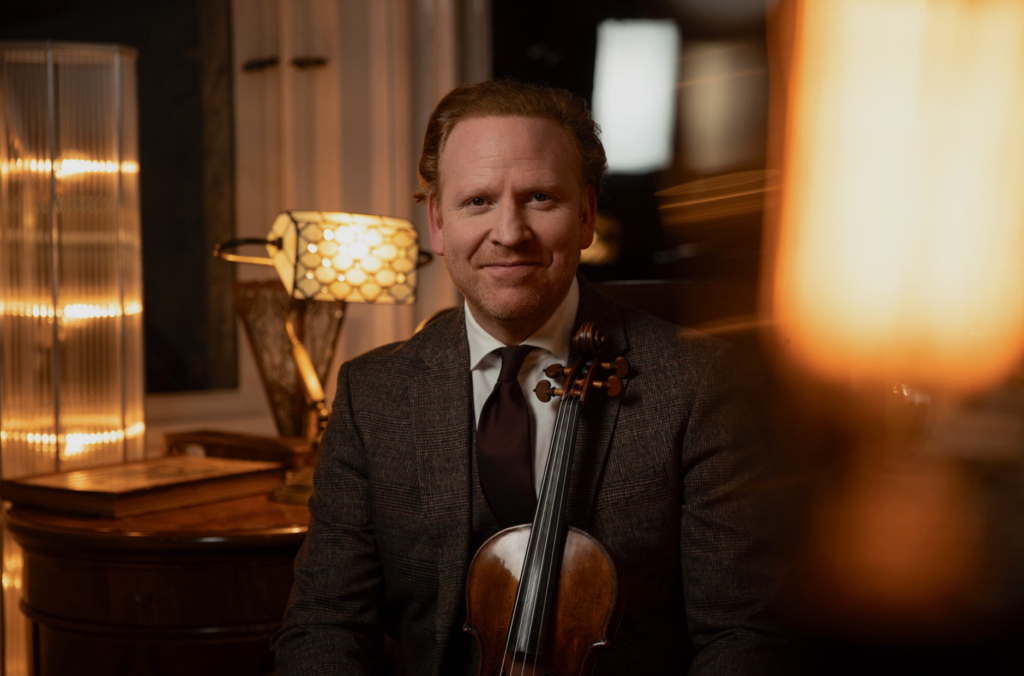
Hope was born in Durban, South Africa in 1973. His father Christopher was a novelist and anti‑apartheid activist; his German mother Eleanor came from a family that fled Nazism. Political persecution forced the family to leave South Africa when Daniel was an infant. They settled in London, where the young boy’s prodigious musical talent soon became apparent. At the age of seven Hope met Yehudi Menuhin, who became his mentor. Menuhin’s lessons instilled in him a sense of musical line and expression that he describes as “making the violin sing”. Hope went on to study at the Yehudi Menuhin School and the Royal Academy of Music; he also trained with violinists Zakhar Bron and Itzhak Rashkovsky.
A career spanning eras and genres
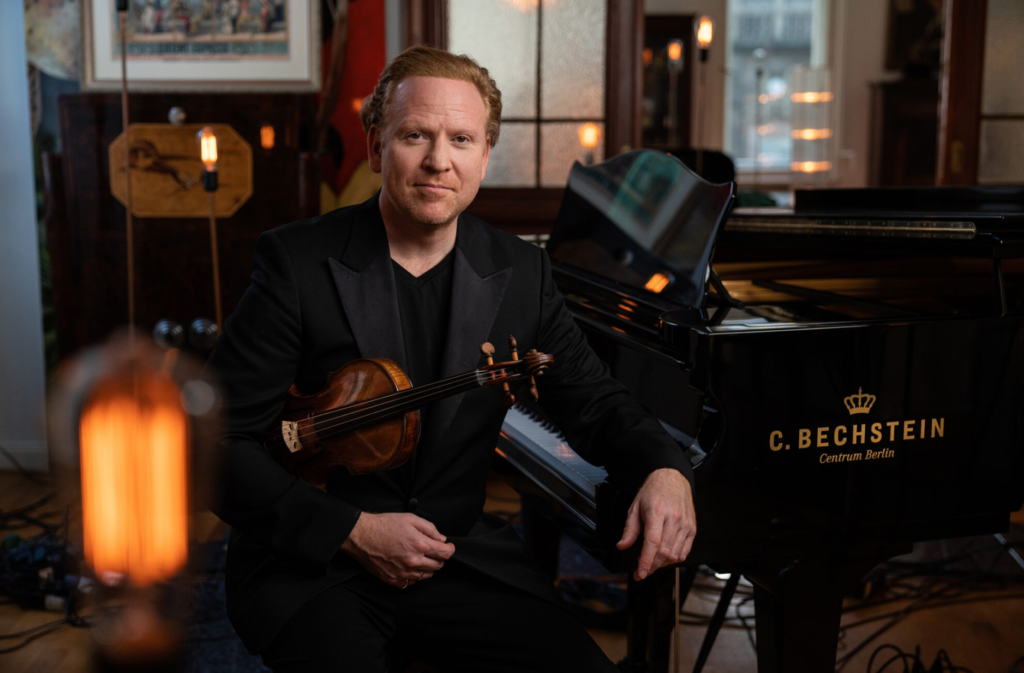
From the outset Hope refused to be defined by a single repertoire. He performs everything from Bach and Vivaldi to contemporary composers such as Torū Takemitsu and Mark‑Anthony Turnage. In the early 2000s he became the youngest‑ever member of the legendary Beaux Arts Trio, giving over 400 concerts before the ensemble’s final performance in 2008. Today he appears with leading orchestras and conductors around the world, including the Berlin, Boston and Chicago Symphony Orchestras and maestros such as Sir Simon Rattle and Christoph Eschenbach. He is admired for “inventive programming and a probing interpretive style,” as The New York Times observed.
Hope is also a passionate advocate for contemporary music; he has commissioned and premiered more than 30 new works. His discography for Deutsche Grammophon is a testament to his eclectic tastes. Highlights include Air – A Baroque Journey (2009), The Romantic Violinist (2011), Spheres (2013), Max Richter’s Vivaldi Recomposed (2014) and Escape to Paradise (2014). In 2020 he released three albums, among them Belle Époque and Hope@Home, a recording of the lockdown livestream series that he hosted from his living room.
Collaboration with Ludovico Einaudi
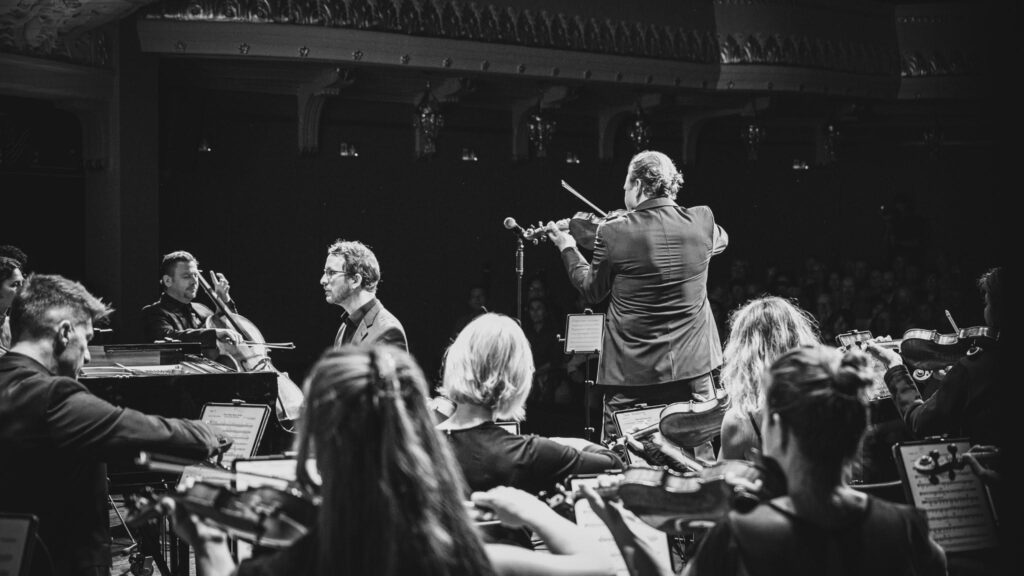
An important chapter in Hope’s story is his collaboration with the Italian composer and pianist Ludovico Einaudi. Their partnership began in the Yellow Lounge concert series, which places classical music in club settings. In January 2013 Classic FM announced that Hope and Einaudi would perform a Stockholm concert together; the webcast was part of the Yellow Lounge series and coincided with the release of Hope’s album Spheres, which features works by Einaudi. Their collaboration continued in concerts and recordings, and the hypnotic minimalist textures of Einaudi’s music complement Hope’s lyrical playing.
Using music for social change
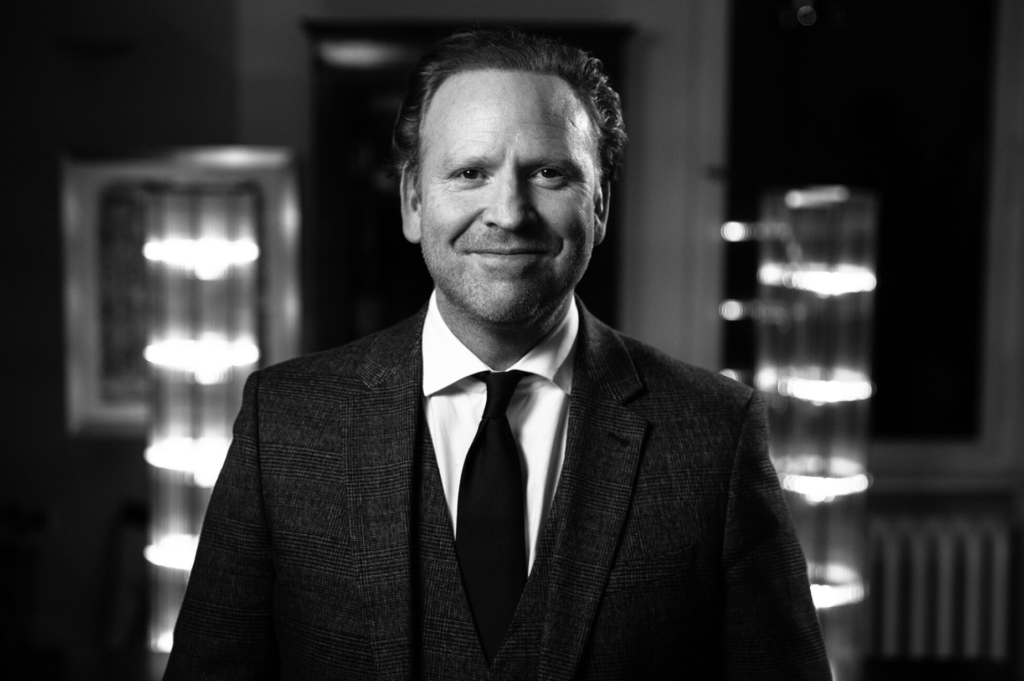
Hope believes musicians can use their talents to make people think. His projects have drawn attention to musicians murdered by the Nazis and to stories of those affected by hatred and bigotry. He curates programmes that highlight neglected composers and uses his platform to speak out on contemporary issues. “I’m not a politician,” he once said, “but I do believe musicians can use their talents and communication to make certain things happen”. Hope’s outreach extends beyond the stage. He hosts a weekly radio show on Germany’s WDR3 channel, has authored four best‑selling books and writes regularly for the Wall Street Journal. In 2015 he received the European Cultural Prize for Music; two years later Germany awarded him the Federal Cross of Merit. These honours reflect not just his virtuosity but his commitment to society.
During the pandemic, when concert halls fell silent, Hope turned his Berlin living room into a stage. Hope@Home became a daily livestreamed series featuring more than 400 musicians across 150 episodes. The shows, broadcast on ARTE TV, raised funds for artists in need and provided solace to audiences isolated by lockdown. The project won the Opus KLASSIK Special Achievement Award in 2021.
Leadership and legacy
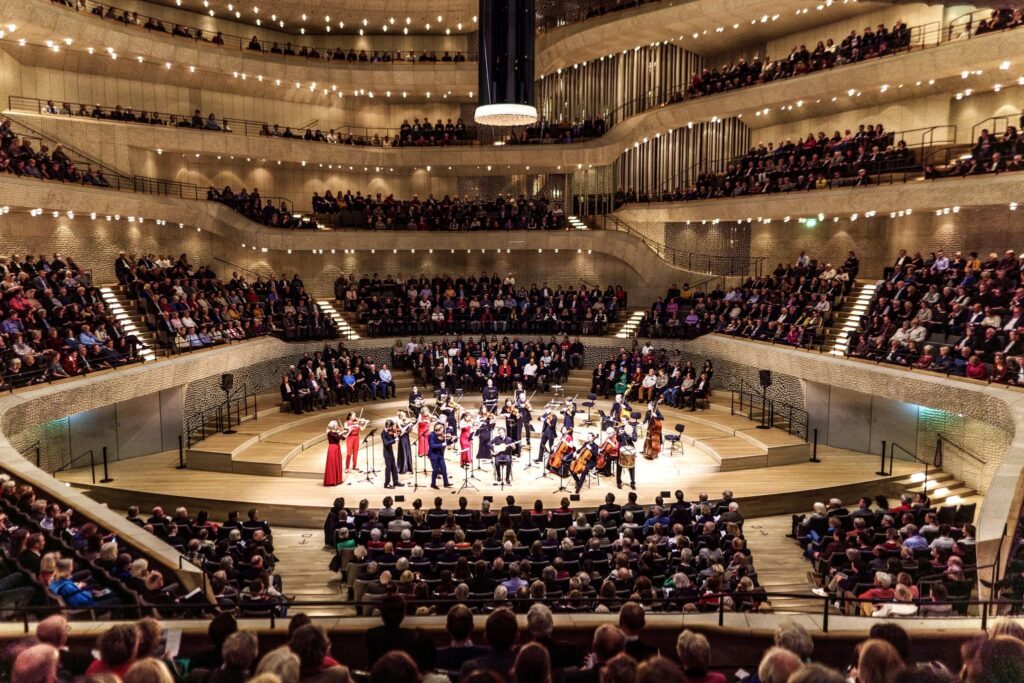
Hope’s leadership roles mirror his belief in the social power of music. Since 2016 he has served as music director of the Zurich Chamber Orchestra; in 2018 he became music director of San Francisco’s New Century Chamber Orchestra. He is also artistic director of the Dresden Frauenkirche — a rebuilt church that has become a symbol of peace and reconciliation — and, since 2020, president of the Beethoven‑Haus Bonn. As of November 2025 he will lead the Menuhin Festival Gstaad, following in the footsteps of his mentor.
Hope continues to release albums that connect history with the present. His EP Music for Ukraine (2022), recorded with Ukrainian pianist Alexey Botvinov, donated its proceeds to aid refugees . Their follow‑up album Silvestrov presented world‑premiere recordings of works by the Ukrainian composer Valentyn Silvestrov. These projects underscore Hope’s conviction that music can comfort and mobilise.
A voice that inspires
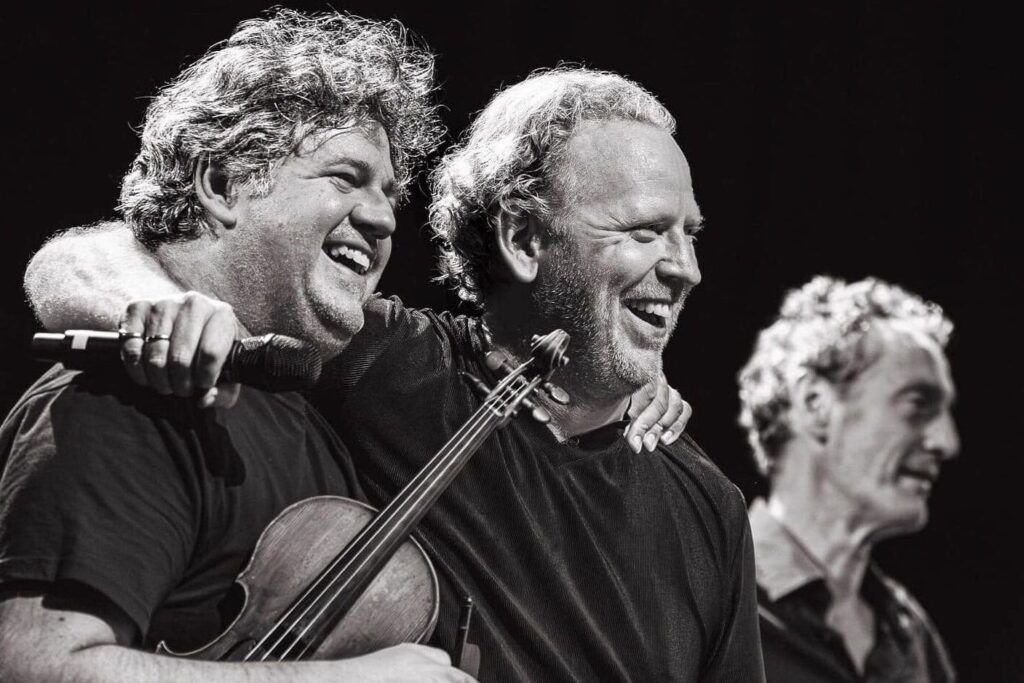
Daniel Hope’s life is a testament to curiosity and conscience. Born amid political struggle, mentored by one of the twentieth century’s great violinists and now an ambassador for peace through music, he has built a career that defies categories. Whether he is commissioning new works, reimagining Vivaldi with Max Richter, or sharing a stage with Ludovico Einaudi, Hope plays with a purpose that resonates far beyond the concert hall. His belief that music can change the world is not naive; it is grounded in decades of practice and activism, and it continues to inspire listeners to imagine a more humane society.