
The Art of Slowing Down
Japan possesses an extraordinary ability to transform the simplest experiences into moments of quiet beauty. A walk through a forest, the warmth of a mineral bath or the changing colours of a mountain landscape can become an expression of something far more profound than leisure. Nowhere is this philosophy more deeply rooted than in Hakone, the celebrated mountain retreat southwest of Tokyo, where volcanic landscapes, ancient travel routes and centuries of bathing traditions have shaped one of the country’s most captivating destinations. Surrounded by the wooded hills of Sengokuhara, BLISSTIA Hakone Sengokuhara offers a contemporary interpretation of this heritage, combining the freedom of a private residence with the comforts of Japanese resort hospitality. Its appeal lies in an understanding that modern luxury need not be defined by formality or extravagance, but by space, tranquillity and the opportunity to experience a destination at one’s own pace.
Hakone’s story extends far beyond its reputation as a fashionable weekend escape from Tokyo. For centuries, the region occupied an important position along the Tōkaidō, the historic highway connecting Edo, present-day Tokyo, with the imperial capital of Kyoto. During the Edo period, travellers crossing the mountainous terrain encountered one of Japan’s most strategically important checkpoints, where movement between regions was carefully controlled by the Tokugawa shogunate. Merchants, officials, pilgrims and members of the samurai class passed through these landscapes, following steep mountain paths and resting in settlements that developed around the needs of travellers. The region’s natural hot springs offered welcome relief from difficult journeys, gradually establishing Hakone as a place associated with restoration, hospitality and the restorative power of nature. Today, the historic checkpoint near Lake Ashi and surviving sections of the old Tōkaidō road provide reminders of this remarkable past, while the mountains continue to offer the sense of separation from everyday life that has attracted visitors for generations.
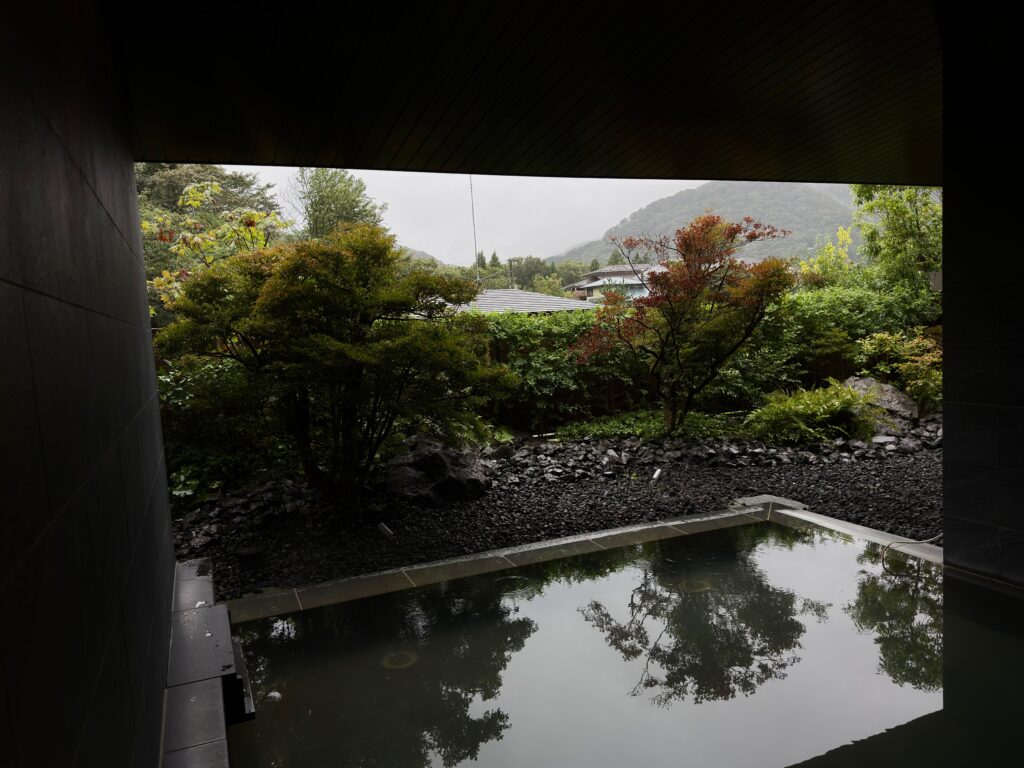
The landscape itself is equally fascinating. Hakone lies within a complex volcanic region, shaped by geological forces that created mountains, valleys, mineral springs and the extraordinary caldera surrounding Lake Ashi. At Ōwakudani, steam and volcanic gases continue to rise from the earth, revealing the powerful natural processes beneath the apparently peaceful scenery. On clear days, Mount Fuji appears beyond the surrounding hills, its almost perfect silhouette providing one of Japan’s most recognisable images. Yet Hakone’s beauty is not limited to these celebrated panoramas. The region is equally compelling in its smaller details: forests softened by morning mist, winding mountain roads, gardens filled with seasonal flowers and the extraordinary transformation of the landscape during autumn, when the hills become a tapestry of red, amber and gold.
Sengokuhara occupies a particularly appealing position within this environment. Situated at an elevation of approximately 650 metres and surrounded by Hakone’s outer mountains, the district is known for its open landscapes, cultural attractions and celebrated fields of silver grass. Each autumn, the grasses turn golden beneath the afternoon sun, creating a shimmering landscape that has become one of the region’s defining seasonal images. Unlike the more traditional hot spring settlements elsewhere in Hakone, Sengokuhara combines a sense of rural openness with contemporary galleries, museums, restaurants and residential retreats. This unusual character makes it especially attractive to travellers who appreciate both nature and culture, offering the tranquillity of a mountain destination without requiring complete isolation from everyday conveniences.
It was within this setting that BLISSTIA Hakone Sengokuhara opened in December 2023, introducing an innovative hospitality concept to the region. Developed by Sankei Building and Tokyu Land Corporation, with operations entrusted to Relo Vacations, the property combines hotel condominium accommodation with hotel residences in a model designed to accommodate different styles of travel and ownership. Its philosophy centres on the idea of freedom, allowing guests to enjoy the atmosphere of a resort while retaining the independence and practical comforts of a private home. The concept is particularly relevant to contemporary travellers, whose expectations increasingly extend beyond conventional overnight accommodation towards longer, more flexible stays that allow a deeper connection with the destination.
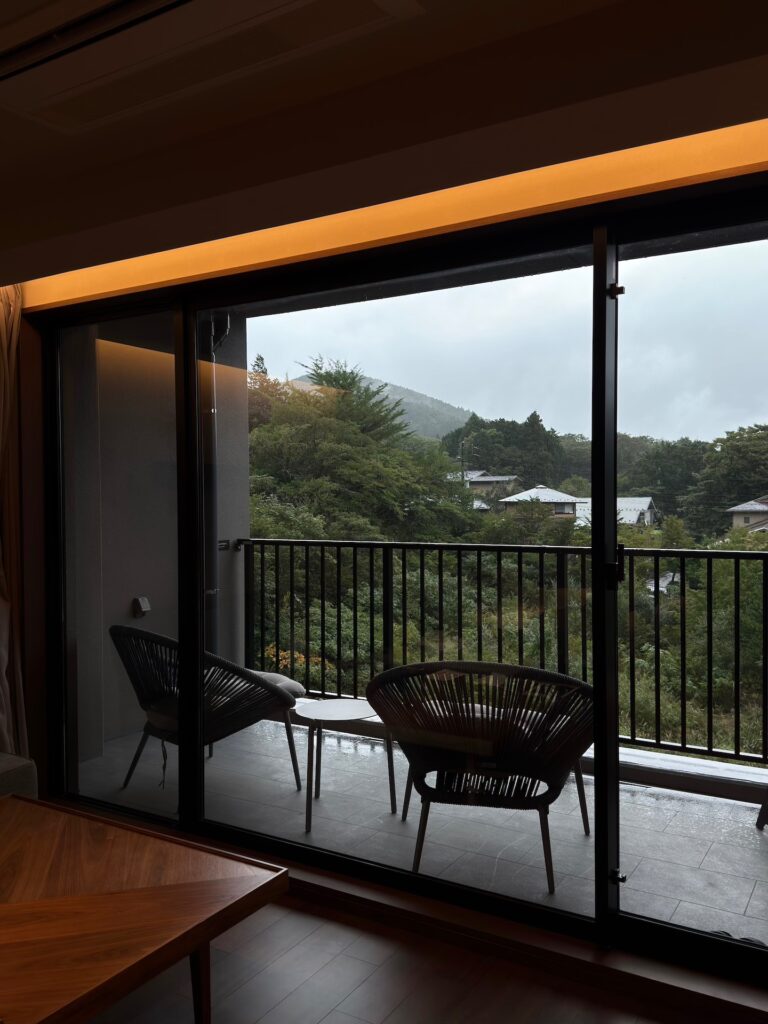
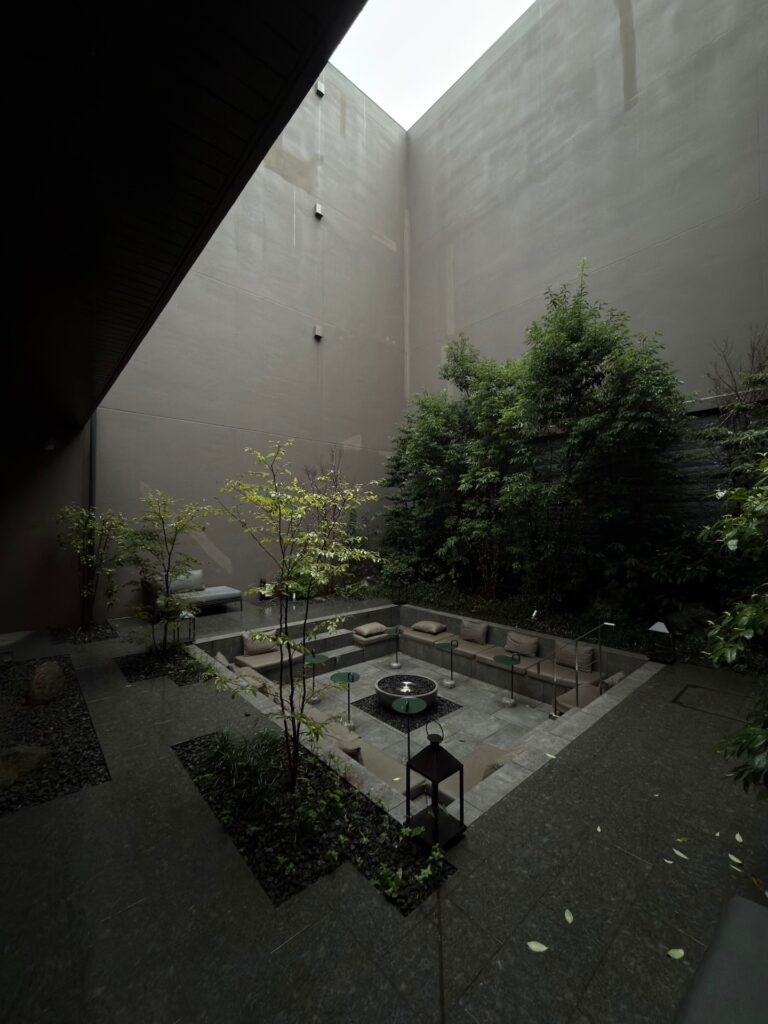
The architectural vision was developed around a concept described as Style of the Forest, with design direction by the Japanese creative company UDS. Rather than treating the surrounding landscape as a decorative backdrop, the design seeks to establish a relationship between the building, its interiors and the natural elements of Sengokuhara. Wood, earth, wind, shadow and filtered light provide inspiration for the shared spaces and artistic installations, while the arrangement of the buildings creates opportunities to appreciate the surrounding greenery. The result is a contemporary property that feels connected to its mountain environment without attempting to imitate the architecture of a traditional ryokan. Its identity is deliberately modern, yet its sensitivity to nature reflects principles deeply embedded in Japanese aesthetics.
Art plays an important role in establishing this atmosphere. The interiors incorporate works inspired by the natural characteristics of Hakone, including the golden silver grasses of Sengokuhara and the textures of the surrounding forests. These details create a visual connection between the property and its setting, allowing guests to encounter elements of the landscape even while indoors. The approach reflects a broader tradition in Japanese design, where the relationship between architecture and nature is often expressed through materials, proportion and carefully considered views rather than overt decoration. At BLISSTIA, this philosophy has been interpreted through contemporary furnishings, restrained compositions and communal spaces that encourage guests to move naturally between the interiors and the gardens.
The accommodation is particularly distinctive for its generous proportions. All 63 guestrooms are designed in a suite-like format, measuring more than 50 square metres, with selected premium categories extending beyond 80 square metres. The emphasis on space immediately distinguishes BLISSTIA from the compact accommodations often associated with Japanese urban hospitality. Each room includes a kitchen, allowing guests to prepare simple meals or enjoy a more independent style of travel, while selected categories incorporate washing machines and additional facilities suited to extended stays. Some accommodations feature private open-air hot spring baths, bringing one of Hakone’s most cherished traditions directly into the guestroom. These thoughtful arrangements create an atmosphere closer to a contemporary mountain apartment than a conventional hotel room, offering privacy, comfort and the freedom to establish one’s own daily rhythm.
The larger corner suites introduce another dimension to this residential philosophy, with generous living areas, multiple sleeping arrangements and, in selected categories, integrated smart-home technology and private entertainment facilities. Yet the most appealing aspect of the accommodation is not technological sophistication, but the sense of ease created by having room to live rather than simply sleep. A morning can begin slowly over coffee, an afternoon can be spent reading after exploring the surrounding museums, and an evening can unfold without the obligation to follow a conventional hotel schedule. This flexibility feels especially appropriate in Hakone, where the greatest pleasures are often found in allowing the landscape and one’s own curiosity to determine the pace of the day.
The experience of bathing remains central to the identity of the property. BLISSTIA’s communal hot spring facilities draw upon the mineral waters of Ōwakudani, connecting the contemporary resort with the volcanic geology that has shaped Hakone’s bathing culture for centuries. The bathing areas include indoor and open-air baths, allowing guests to experience the warmth of the mineral-rich water while appreciating the changing atmosphere of the surrounding environment. The ritual of onsen bathing occupies a special place in Japanese life, traditionally associated with physical relaxation, contemplation and a temporary withdrawal from everyday responsibilities. At BLISSTIA, the experience becomes part of the natural rhythm of a mountain stay, particularly after a day spent walking through the forests or exploring the cultural landmarks of Sengokuhara.

There is something particularly beautiful about the contrast between the warmth of an outdoor bath and the cool mountain air. In spring, the surrounding greenery begins to awaken; during summer, the forests provide a welcome escape from the heat of Japan’s cities; autumn introduces extraordinary colours; and winter brings a clarity to the landscape that makes the warmth of the water especially inviting. The changing seasons become an essential part of the experience, reinforcing the Japanese appreciation of kisetsukan, an awareness of seasonal atmosphere and the subtle transformations of the natural world. BLISSTIA’s bathing facilities offer a contemporary setting for this ancient pleasure, allowing guests to reconnect with the landscape through one of Japan’s most enduring cultural traditions.
Dining at BLISSTIA introduces a different expression of the property’s contemporary character. Rather than relying exclusively on traditional Japanese cuisine, its restaurant draws inspiration from southern France while incorporating Japanese ingredients and culinary sensibilities. The kitchen’s defining feature is its stone oven, where fire becomes an essential part of the cooking process, bringing depth and character to carefully prepared meats, fish and seasonal dishes. Guests can choose between different multi-course dinner experiences, accompanied by a considered selection of wines. This combination of European technique and Japanese attention to detail feels particularly appropriate in Sengokuhara, a district whose cultural identity has long been enriched by international artistic influences.
The restaurant’s approach reflects a broader evolution in Japanese resort dining, where regional ingredients increasingly meet culinary traditions from around the world. The emphasis on fire, seasonal produce and thoughtful presentation creates an atmosphere that is sophisticated without becoming overly formal. Breakfast follows a more relaxed rhythm, with a Western-style buffet featuring freshly prepared dishes, baked goods and local vegetables. The experience is designed to complement the freedom of the accommodation, allowing guests to enjoy the comforts of a full-service hotel while retaining the independence that defines BLISSTIA’s residential philosophy.
Beyond the restaurant, the property’s communal spaces encourage a particularly appealing form of unhurried mountain living. At the centre of the accommodation buildings, an outdoor fireplace creates a gathering place where guests can enjoy the warmth of an open fire and the atmosphere of the surrounding gardens. Terraces and landscaped pathways connect different areas of the property, allowing the changing seasons to become part of everyday movement. The design reflects the Japanese appreciation of transitional spaces, where the boundaries between architecture and nature are deliberately softened. These areas are not conceived as grand architectural statements, but as places for conversation, reflection and the simple pleasure of spending time outdoors.
One of Sengokuhara’s greatest attractions is its remarkable concentration of museums and cultural institutions. The Hakone Glass Forest Museum celebrates the beauty of Venetian glass within landscaped gardens, while the Lalique Museum Hakone presents the work of René Lalique, whose extraordinary jewellery, glass and decorative objects helped define the artistic language of Art Nouveau and Art Deco. Elsewhere in the region, the Pola Museum of Art houses an important collection of European and Japanese works, and the Hakone Open-Air Museum brings sculpture into direct conversation with the mountain landscape. This relationship between art and nature gives Hakone a distinctive cultural identity, transforming what might otherwise be a conventional hot spring destination into a place of genuine artistic discovery.
The presence of these museums also reflects the history of Hakone as a retreat for Japan’s cultural and economic elite. During the modernisation of the country in the Meiji period and the decades that followed, the region became increasingly associated with villas, artistic patronage and the development of sophisticated leisure culture. Its proximity to Tokyo made it particularly attractive to writers, artists and influential families seeking an escape from the capital. Over time, the combination of natural beauty, mineral springs and cultural institutions established Hakone as one of Japan’s most enduring destinations for refined travel. BLISSTIA belongs to the latest chapter of this evolution, offering a contemporary interpretation of the mountain residence for travellers whose interests extend beyond conventional sightseeing.
A visit to Hakone would also be incomplete without exploring the extraordinary landscapes surrounding Lake Ashi. Formed within the volcanic caldera, the lake is celebrated for its views towards Mount Fuji and the striking vermilion torii gate of Hakone Shrine, which appears to rise directly from the water. The shrine’s forested approach, lined with towering trees, provides an atmosphere of remarkable spiritual tranquillity. Nearby, the reconstructed Hakone Checkpoint offers an insight into the region’s historical role along the Tōkaidō, while the old cedar-lined road recalls the journeys undertaken by travellers during the Edo period. These landmarks reveal how geography, religion and political history have shaped Hakone, adding cultural depth to a destination often celebrated primarily for its natural beauty.
The appeal of BLISSTIA lies partly in the freedom to move between these experiences without feeling obliged to follow a rigid itinerary. A morning might begin with a visit to a museum, followed by lunch in a small restaurant in Sengokuhara and an afternoon exploring the volcanic landscapes of Ōwakudani. Another day might be devoted entirely to the property, with time spent reading, enjoying the hot springs or simply appreciating the changing light across the gardens. The presence of kitchens and generously proportioned guestrooms makes this flexibility particularly natural, encouraging longer stays in which Hakone becomes a temporary home rather than a destination to be experienced hurriedly.

This philosophy also reflects changing expectations within contemporary hospitality. Increasingly, travellers are seeking accommodations that combine the independence of a private residence with the convenience and refinement of hotel services. BLISSTIA’s condominium and residence concept responds to this desire, offering a form of mountain hospitality that is particularly suited to couples, families and guests planning extended visits. The emphasis on generous living space, practical amenities and a relaxed atmosphere creates a sense of familiarity without diminishing the pleasures of a resort setting. It is an interpretation of luxury concerned less with ceremony than with the quality of everyday experience.
As evening settles over Sengokuhara, the atmosphere of the property becomes especially appealing. The surrounding mountains gradually disappear into darkness, the air cools and the soft illumination of the landscaped spaces introduces a sense of intimacy. After dinner, guests can gather around the outdoor fireplace or return to the privacy of their accommodation, where the quiet of the mountain landscape offers a welcome contrast to the intensity of Tokyo. For those staying in rooms with private hot spring baths, the evening can conclude with one of Japan’s most cherished rituals, allowing the warmth of the mineral water and the stillness of the surroundings to bring the day to a gentle close.
What ultimately distinguishes BLISSTIA Hakone Sengokuhara is its understanding that contemporary luxury can be expressed through independence, comfort and a genuine relationship with place. The property does not attempt to recreate the formal atmosphere of a historic ryokan, nor does it impose the identity of an international resort upon its surroundings. Instead, it offers a modern interpretation of Japanese mountain living, where architecture, art, cuisine and hot spring traditions come together within a residential environment designed for relaxation. Its spacious suites, thoughtful communal areas and proximity to Sengokuhara’s cultural attractions create an experience that feels both practical and sophisticated, allowing guests to discover Hakone according to their own interests and rhythms.
For Maison Blanche, BLISSTIA represents an appealing direction in the evolution of Japanese hospitality, one that recognises the growing importance of personal freedom within the luxury travel experience. Its architectural relationship with the forest, generous accommodations and contemporary approach to dining provide a comfortable setting from which to explore one of Japan’s most historically and culturally fascinating regions. Yet its greatest quality may be the way it encourages travellers to appreciate Hakone beyond its celebrated landmarks, discovering the beauty of ordinary moments spent among the mountains. In a destination shaped by centuries of travel, volcanic landscapes and the restorative traditions of Japanese bathing, BLISSTIA offers a contemporary place to experience the enduring pleasure of slowing down.