
There are few cities in the world where the journey to a hotel is as memorable as the stay itself. In Venice, there are no grand boulevards leading to a porte-cochère, no procession of luxury cars announcing one’s arrival. Instead, the city reveals itself at the pace of the water. Vaporetto traffic gives way to quieter canals, Renaissance façades glide past, and eventually a private boat comes to rest before the discreet entrance of Aman Venice. It is an arrival that perfectly introduces the philosophy of the property.
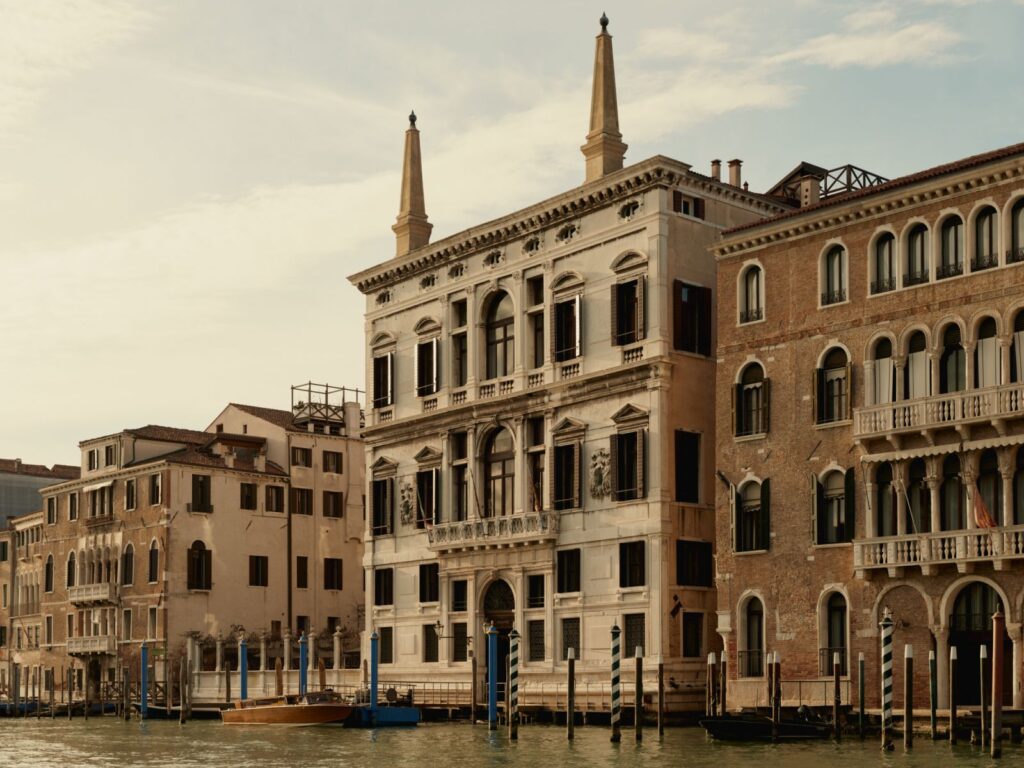
Occupying the magnificent Palazzo Papadopoli, one of the eight monumental palazzos lining the Grand Canal, Aman Venice is not a reinterpretation of Venetian history—it is part of it. Built during the 16th century, the residence has witnessed centuries of political, artistic and cultural transformation, long before opening its doors as one of Europe’s most exclusive hotels.
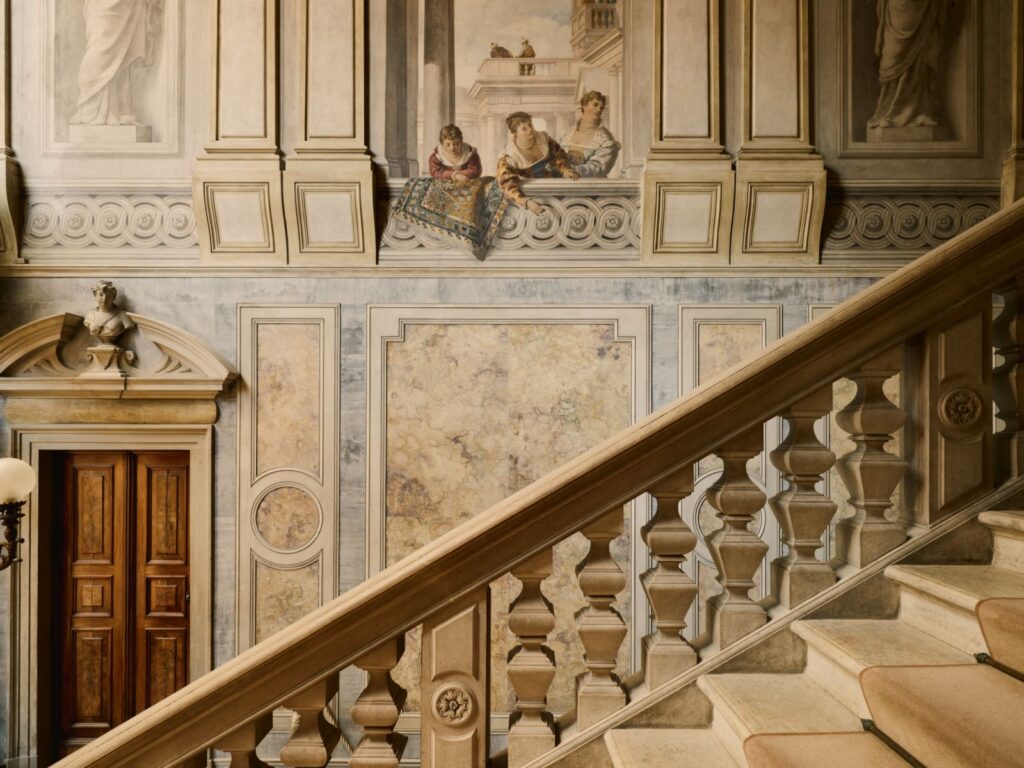
Walking through the palace is an experience that blurs the line between hospitality and heritage. Original ceilings painted by Giovanni Battista Tiepolo, elaborate stucco work, Murano chandeliers and intricate architectural details remain remarkably preserved, yet nothing feels untouchable. Rather than functioning as a museum, Aman has transformed the palazzo into a living residence where history quietly accompanies everyday life. The restoration, completed with exceptional sensitivity, was recognised with a heritage award for Italy’s best restoration, a testament to the balance achieved between preservation and contemporary comfort.
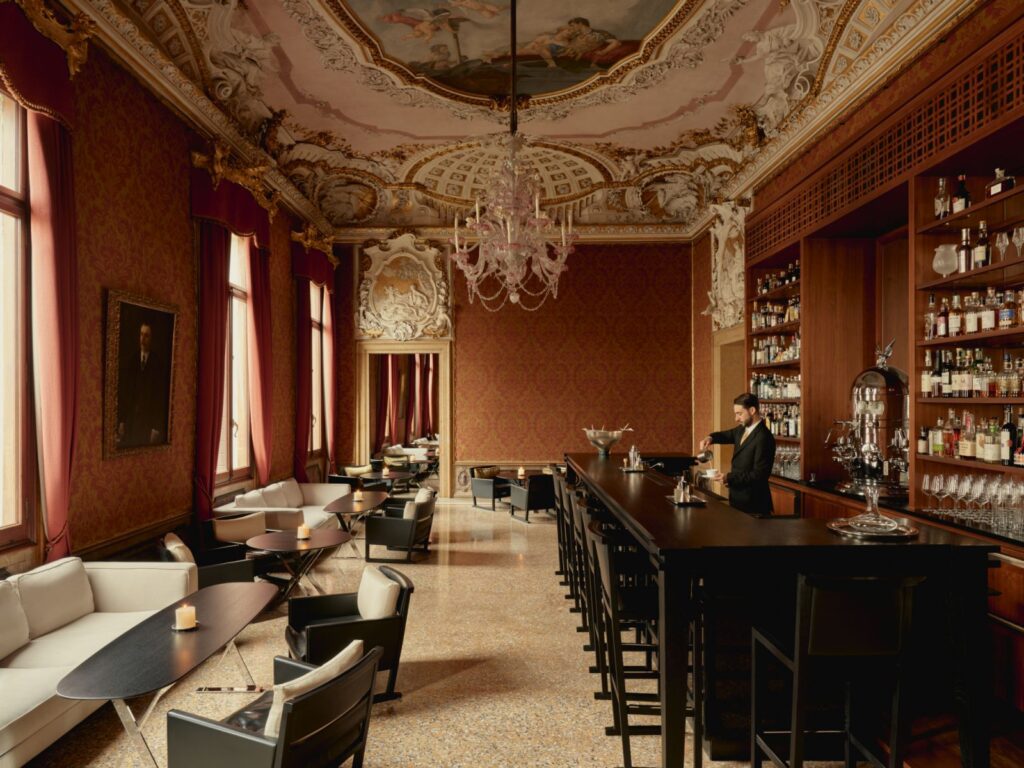
This dialogue between past and present defines every corner of the hotel. Unlike many historic properties where modern luxury competes with original architecture, Aman exercises remarkable restraint. Interiors by Jean-Michel Gathy introduce contemporary lines without disturbing the character of the palace. Rich silk wall coverings, carved fireplaces, painted ceilings and antique woodwork coexist naturally with understated furnishings, allowing centuries of craftsmanship to remain the true focal point.
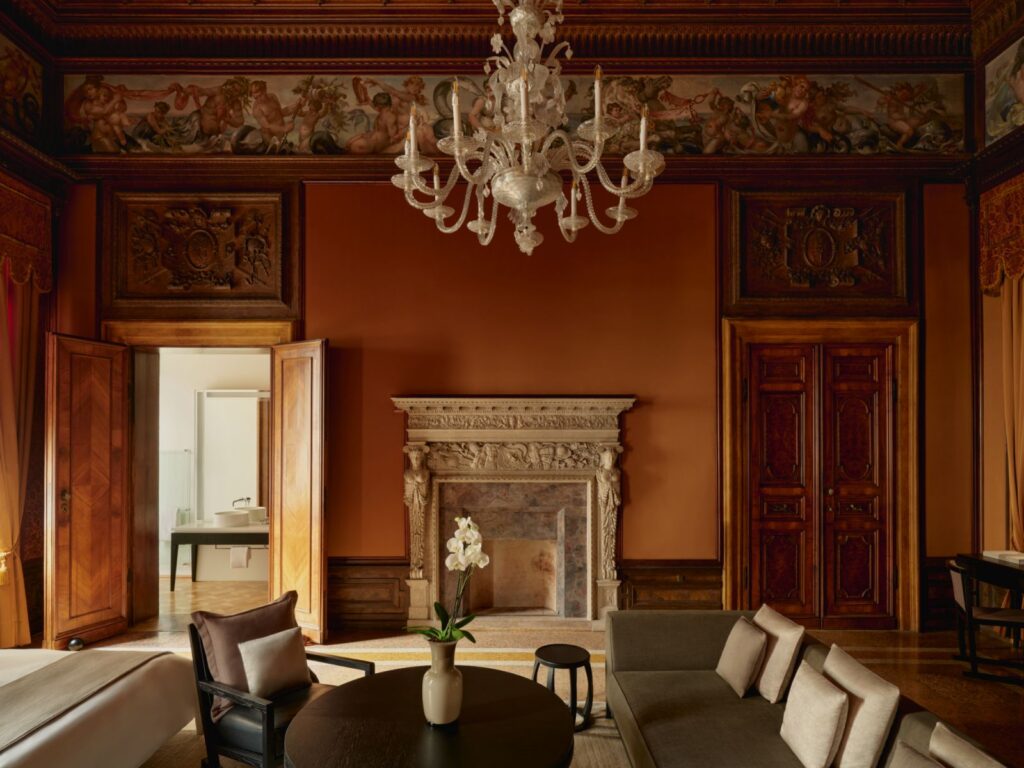
The accommodations follow the same philosophy. No two rooms are alike, and that is precisely their charm. Some overlook the Grand Canal, where gondolas and water taxis continue the daily rhythm of Venetian life. Others face the hotel’s private gardens, offering an unexpected silence rarely associated with one of Europe’s most visited cities. Frescoes, chinoiserie, timber-framed windows and period details remind guests that every suite belongs to a building with a story far older than the concept of luxury hospitality itself. Perhaps the hotel’s most remarkable luxury is not found inside the palace at all. It lies beyond its walls.
Private gardens remain one of Venice’s greatest rarities. Over the centuries, the Papadopoli family transformed neighbouring buildings into expansive green spaces, creating an oasis that still feels extraordinary today. Breakfast beneath mature trees, an afternoon espresso surrounded by birdsong, or an evening aperitivo overlooking the Grand Canal all carry a sense of calm that contrasts beautifully with the energy only a few streets away. This contrast defines the Aman experience.
Venice is celebrated for its beauty, but it can also be wonderfully overwhelming. Narrow alleyways overflow with visitors, bridges remain crowded from morning until dusk, and famous landmarks rarely experience true silence. Returning to Aman each afternoon feels less like checking back into a hotel and more like stepping behind the curtain of the city itself. The atmosphere changes immediately. Voices soften. Time slows. The pace becomes unmistakably Aman.
Service reflects the same quiet confidence. There is no theatrical display of luxury, no unnecessary formality. Instead, hospitality is delivered with remarkable intuition, anticipating needs without drawing attention to itself. It is an approach that values privacy above spectacle and allows guests to feel less like visitors and more like temporary residents of an extraordinary Venetian home.
The culinary experience follows a similarly understated philosophy. Seasonal ingredients from the Veneto region take centre stage, celebrating local traditions rather than reinventing them. Whether enjoyed in the elegant dining rooms of the piano nobile or outdoors beside the garden overlooking the Grand Canal, each meal feels deeply connected to its surroundings rather than separated from them.
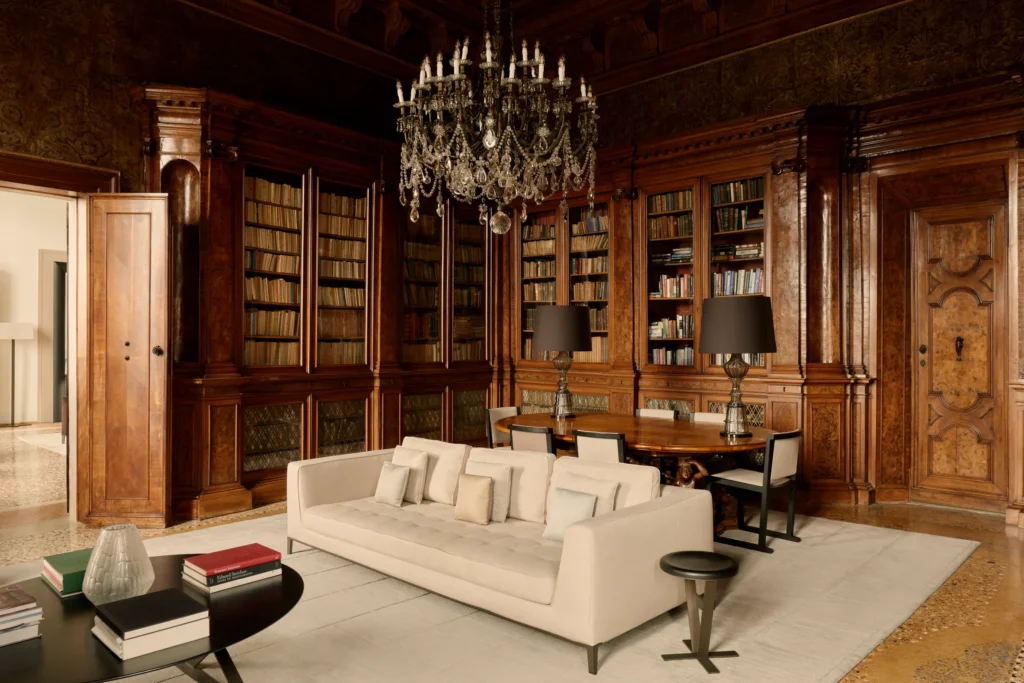
For travellers seeking the essence of Venice, location naturally matters. Aman sits within comfortable walking distance of the Rialto Bridge and Piazza San Marco, yet remains sufficiently removed from the busiest thoroughfares to preserve its remarkable tranquillity. It is a rare balance that allows guests to experience both the vibrant rhythm of the city and the peaceful refuge that has become synonymous with the Aman name. Luxury evolves with every generation.
Where it once celebrated grandeur, today it increasingly values authenticity, privacy and a genuine sense of place. Aman Venice embodies this evolution with remarkable confidence. It does not attempt to outshine Venice; instead, it becomes one of the city’s most compelling chapters.
Long after the final boat departs and the palazzo disappears from view, what remains is not simply the memory of an exceptional hotel, but the feeling of having briefly lived within one of Venice’s most beautiful private residences. In a city built upon centuries of extraordinary stories, Aman Venice quietly writes its own.