
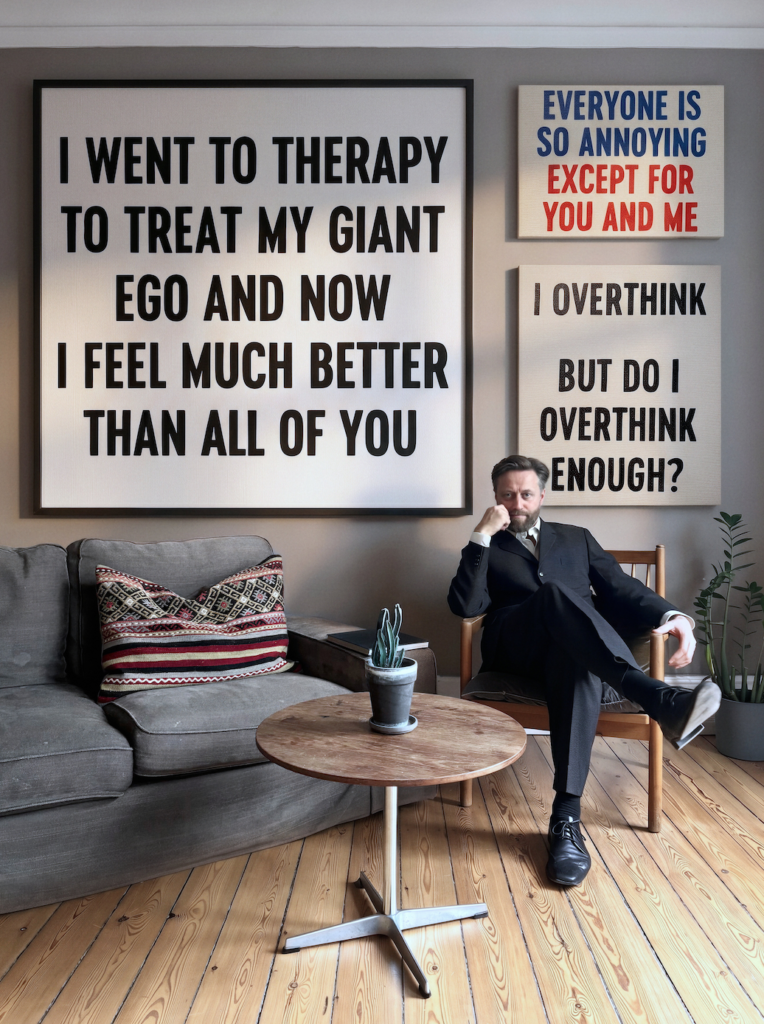
In our art pages we often meet painters, sculptors and performers, but Copenhagen‑based artist Johan Deckmann defies easy categorisation. A trained psychotherapist and author, Deckmann channels his understanding of human behaviour into visual poetry. His practice centres on a simple yet powerful format: imaginary self‑help books with hand‑painted titles. Each canvas looks like a dog‑eared paperback, with witty, sometimes painful phrases that read like chapter headings for the psyche.
Psychology as pigment
Deckmann’s dual life as therapist and artist is fundamental to his work. He uses language as both a healing tool and an artistic medium. A biography from Loughran Gallery notes that his psychological practice “is the fundamental element” of his work and that he employs humour and poetry to encourage self‑reflection. Many of his pieces propose uncomfortable truths: “How to save the ones you love if you can’t save yourself”; “How to disappear completely and never be found”. Others offer consolation: “How to be okay with not being okay”. The point is not to offer easy answers but to confront the viewer with their own habits.
Deckmann believes art can motivate change. He aims to mirror his audience and provoke personal responsibility, describing his work as a portrait of modern human behaviour and self‑sabotage. In this sense his fictional books function as therapy sessions. They may elicit a laugh, but their underlying message often lingers uncomfortably in the mind. The artist sees words as “good medicine” — a way to help viewers see themselves and act differently.
From therapist to gallery walls
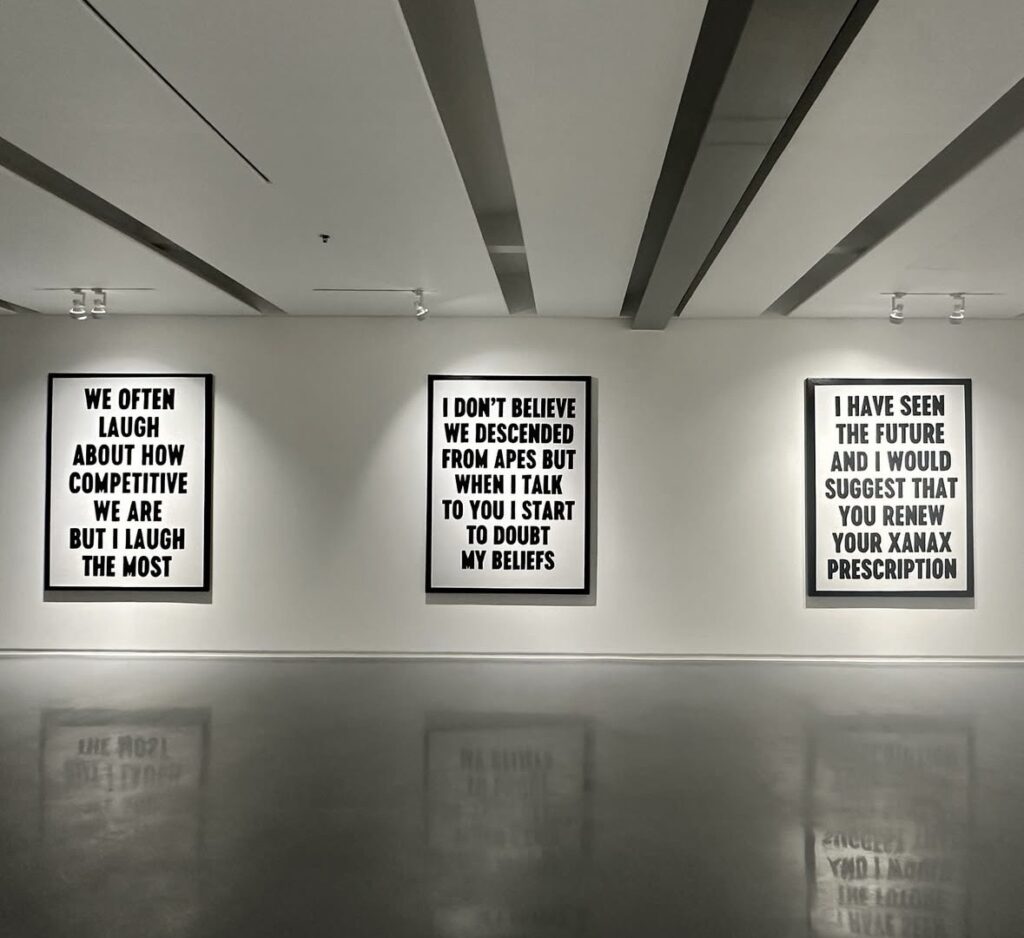
Deckmann studied psychotherapy and worked with clients before turning to painting. One day he realised that the anxieties and patterns he heard in the therapy room could be distilled into universal statements. He began painting them onto canvases shaped like books. His first series went viral on social media, leading to exhibitions in Copenhagen, London and New York. The irony and honesty of his titles resonated with a generation raised on self‑help culture.
Today Deckmann has shown his work around the world and has been exhibited alongside artists such as David Hockney and Tracey Emin. He still lives in Copenhagen, near Tivoli Gardens, and continues to see clients. The interplay between therapy and art remains central: sessions with patients inform his writing, while the reactions to his paintings shape his understanding of collective psychology.
Humor, poetry and truth
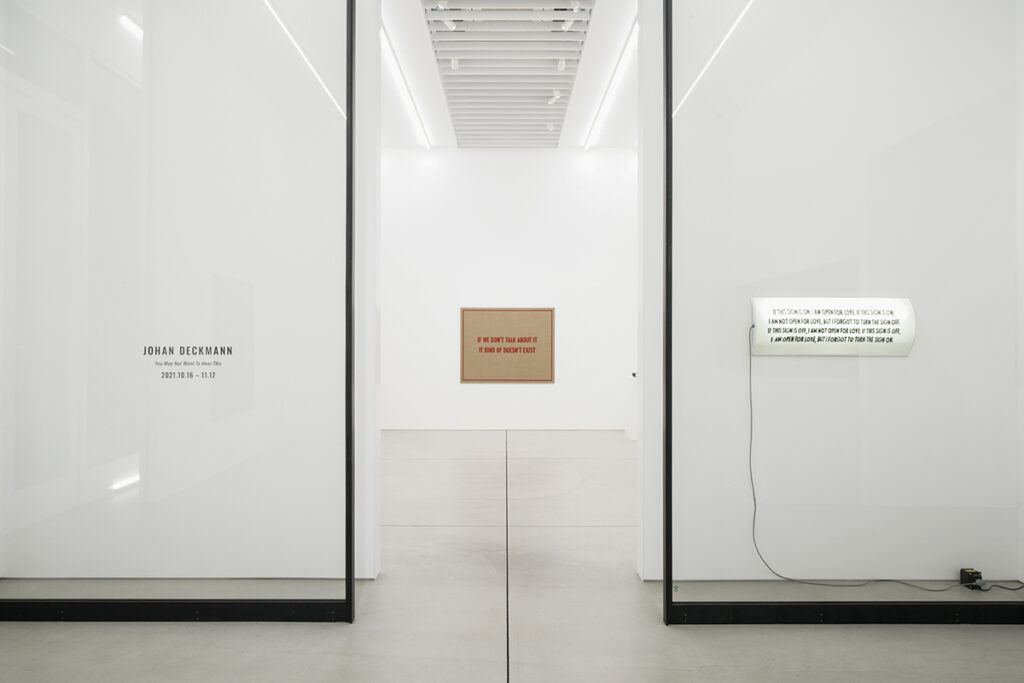
What makes Deckmann’s work memorable is its balance of humour and empathy. His painted titles feel like confessions you might make to a trusted friend. They often twist familiar self‑help tropes: “How to accept that your childhood was just a bad pilot episode” or “How to stop controlling your loved ones before you lose them”. By rephrasing universal anxieties in plain language, Deckmann creates an intimacy between artist and viewer.
Critics have called his art “good medicine” not because it cures but because it opens a dialogue. In an age of quick fixes and motivational mantras, Deckmann reminds us that lasting change requires honesty. His painted books offer no easy answers, only the possibility of self‑awareness. For a psychotherapist‑turned‑artist, that may be the most radical gesture of all.