
Some artists draw inspiration from far‑flung places; others find endless possibilities in the landscapes of their childhood. Spanish artist Iván Forcadell belongs to the latter category. Born in 1993 in the small agricultural town of Alcanar, Tarragona, Forcadell grew up surrounded by farms and folklore. Today he is a multidisciplinary artist working across painting, sculpture, installation, video art and performance, yet the storytelling and imagery of his rural roots remain at the core of his practice.
From countryside to contemporary art
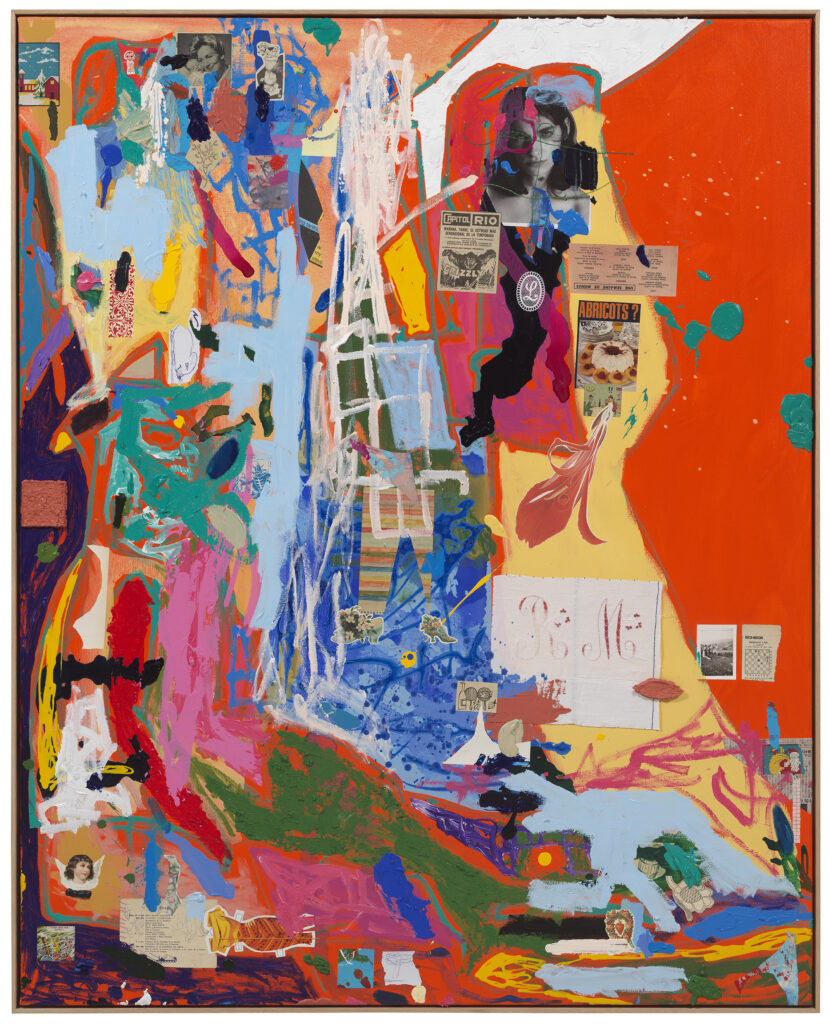
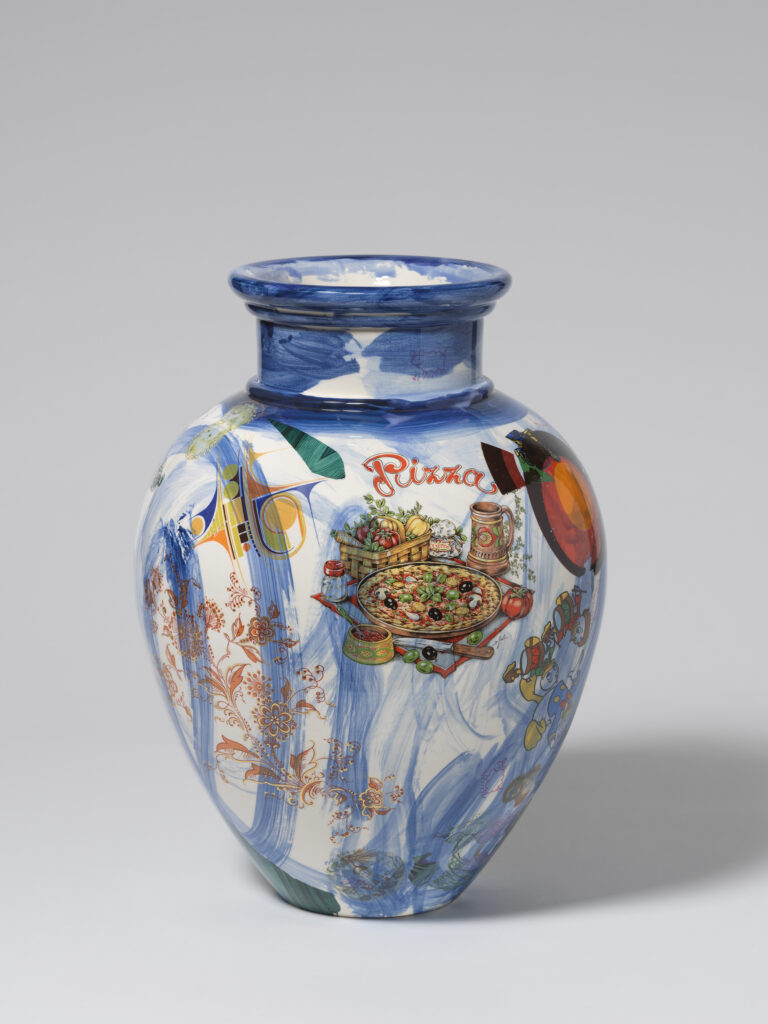
Forcadell describes himself as an artist “born in a farmer’s house” who has never lost his connection to the fields. In interviews he notes that the persistence and discipline required in the countryside fuel his creative drive. He collects memories and objects from his hometown — old tools, religious icons, fabrics and recombines them in vivid, often humorous assemblages. Paintings featuring roosters and saints share wall space with sculptures made from ceramic pots and neon lights.
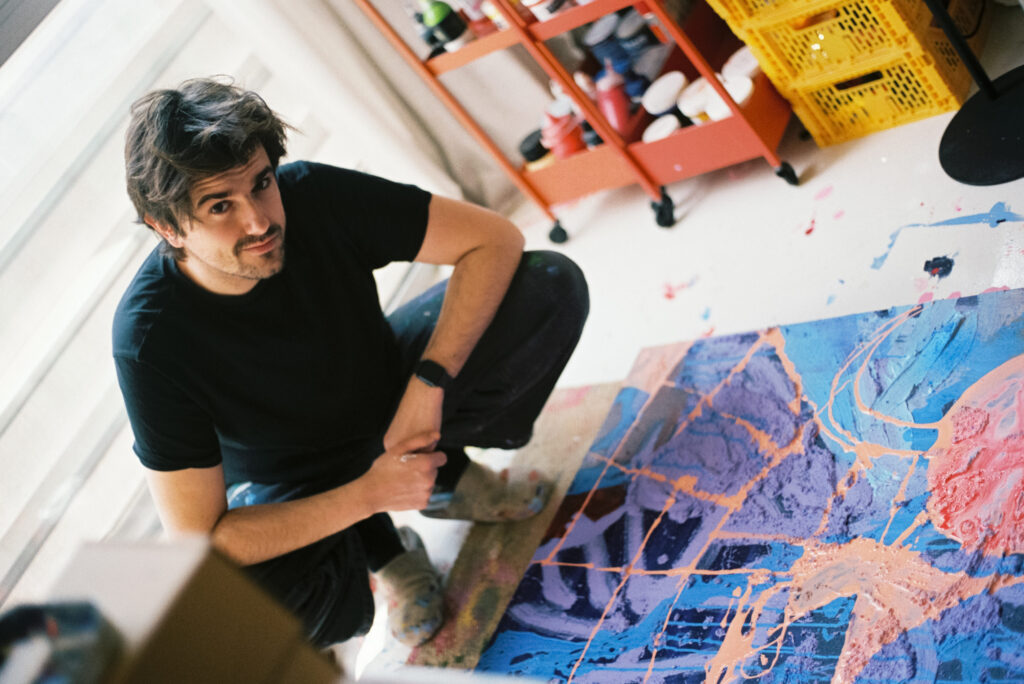
In the studio, Forcadell moves freely between media. He might paint a figure in bright acrylics one day and shoot a video performance the next. His work is characterised by irony and a carefree attitude: he uses the iconography of rural Spain, but twists it until it becomes a personal mythology. Viewers may recognise elements of Catholic processions or harvest festivals, but Forcadell’s compositions embrace kitsch and satire. He believes that creativity should be playful and open, without strict formulas.
Exhibitions and recognition
Despite being in his early thirties, Forcadell has shown his work in more than twenty exhibitions across Spain and abroad and has pieces in collections such as the Fundación Vila Casas. His installations often recreate parts of his childhood home or farm outbuildings, inviting visitors to step into his universe. At one recent show, hay bales and ceramic tiles lined the gallery floor, while videos projected onto sacks of grain depicted the artist performing folk dances.
Critics have praised Forcadell for his ability to merge high and low culture, juxtaposing folkloric motifs with contemporary art techniques. This has led to collaborations with fashion brands and musicians who appreciate his singular aesthetic. A 2024 profile in Ara magazine described him as a champion of the countryside’s discipline and persistence and noted how he rescues objects from the rural world to create a unique universe. In a world where urban life dominates, Forcadell offers a refreshing reminder that creativity can flourish among olive trees and farm tools.
A folk future
Forcadell’s work feels both nostalgic and futuristic. It honours the traditions of Catalonia while suggesting new possibilities for rural identity. Through performances, he sometimes wears costumes made from found fabrics and invites audience members to participate in rituals. These happenings blur the line between art and life, turning gallery openings into communal celebrations.
As he continues to exhibit internationally, Forcadell remains committed to his roots. He often returns to Alcanar to source materials and recharge in the fields. His practice demonstrates that you don’t need to leave home to embrace the world; sometimes the most fertile ground for creativity is right under your feet.