
The Woman Who Defined the Golden Age of the Supermodel
Fashion has always celebrated beauty, but only on rare occasions has beauty become so closely intertwined with an era that separating one from the other becomes almost impossible. The 1990s belonged to a remarkable generation of women whose influence reached far beyond the runway. They appeared on magazine covers in every corner of the world, inspired photographers, musicians and filmmakers, and transformed modelling into an international cultural phenomenon. Among them stood Claudia Schiffer, a woman whose extraordinary career was built not upon controversy or carefully manufactured celebrity, but upon elegance, professionalism and a quiet confidence that never demanded attention. More than three decades after her remarkable rise, her photographs continue to feel as relevant as ever, reminding us that genuine style rarely belongs to a particular decade. It simply endures.
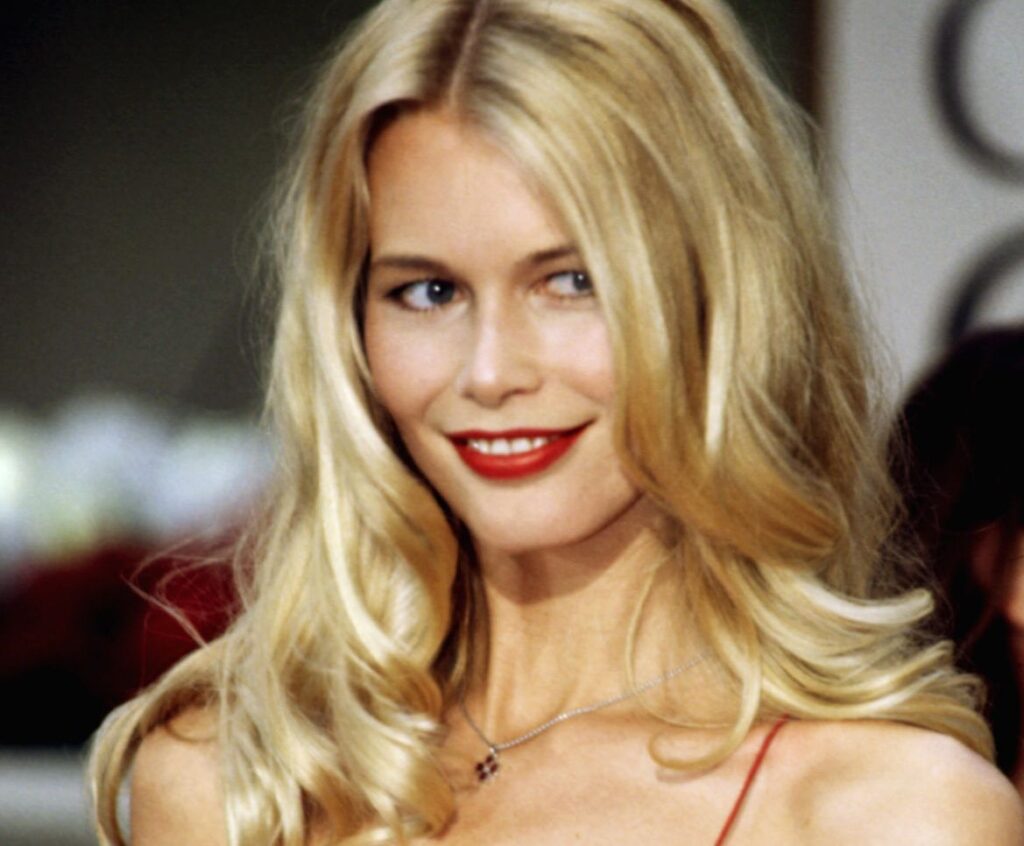
Born on 25 August 1970 in the small town of Rheinberg in western Germany, Claudia Schiffer’s childhood bore little resemblance to the glamorous world that would later embrace her. She grew up in a disciplined, close-knit family where education was valued above fame and where the expectation was that she would pursue a conventional profession, perhaps following her father into law. Fashion was never part of the conversation. There were no childhood ambitions of becoming a model, no early attempts to attract attention, and certainly no sense that one day she would become one of the most photographed women in history. That quiet beginning would remain an important part of her character throughout her life. Even after achieving extraordinary international success, Schiffer retained the calm reserve that had shaped her upbringing, resisting the temptation to turn herself into a public spectacle simply because the industry expected it.
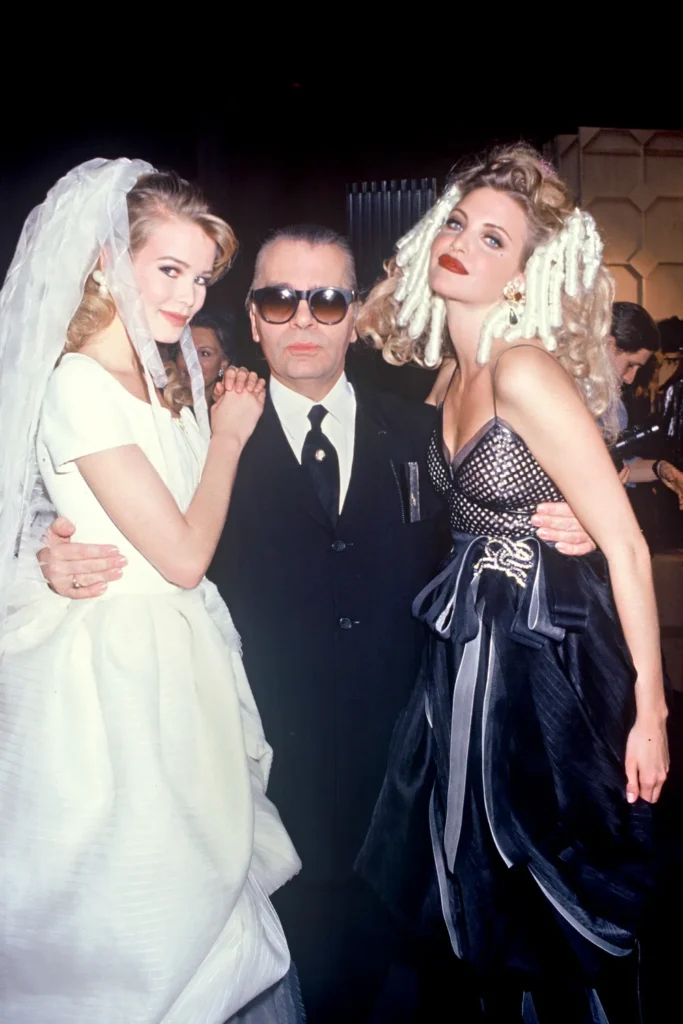
Her life changed almost by chance when she was seventeen years old. While visiting a nightclub in Düsseldorf, she was noticed by Michel Levaton, the head of Metropolitan Model Agency, who immediately recognised something extraordinary in the young German student. Stories like this have become part of fashion folklore, yet they often overlook what followed. Being discovered is one thing; building a career that lasts decades is something entirely different. Schiffer moved to Paris at an age when most young people are still discovering who they are, arriving in a city whose language she barely spoke and entering an industry that could be both exhilarating and unforgiving. The early months demanded resilience, patience and an extraordinary willingness to learn. She was naturally photogenic, but beauty alone has never sustained a lasting career in fashion. What distinguished Claudia Schiffer from the very beginning was her remarkable professionalism, an instinctive understanding that modelling was a craft requiring discipline as much as appearance.
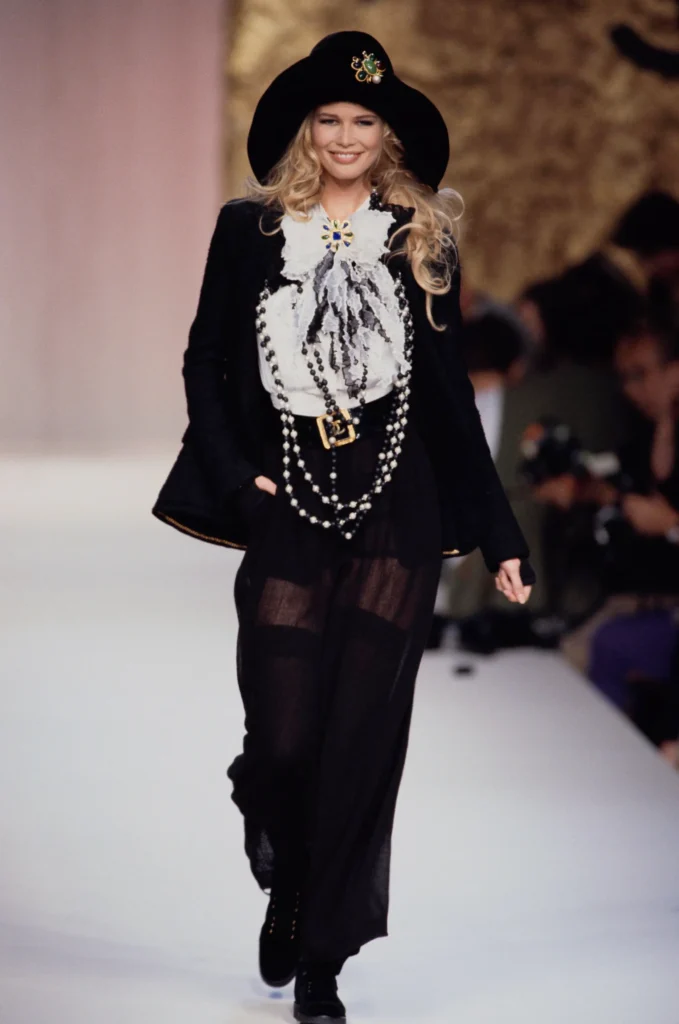
The defining turning point arrived when Karl Lagerfeld saw her for the first time. Fashion history is filled with celebrated creative partnerships, yet few have proved as enduring or influential as the relationship between Lagerfeld and Schiffer. The German designer often remarked that she reminded him of Brigitte Bardot, not because she resembled the French actress exactly, but because she possessed the same rare combination of sensuality, confidence and natural charm. Lagerfeld recognised in Schiffer a timeless quality that perfectly complemented the values of Chanel. At a moment when fashion was beginning to rediscover classic elegance after years of experimentation, she became the ideal ambassador for the maison. Wearing impeccably tailored tweed jackets, ropes of pearls and the camellias that had become Chanel’s signature, Schiffer never appeared to be wearing costume. She seemed entirely at home within the world Gabrielle Chanel had imagined decades earlier, bringing freshness to an aesthetic that might otherwise have remained trapped in nostalgia.

Working with Lagerfeld transformed Claudia Schiffer into an international phenomenon. Soon she was appearing in campaigns for Versace, Valentino, Yves Saint Laurent, Dolce & Gabbana and countless other maisons that defined luxury during the final decade of the twentieth century. Every major fashion photographer wanted to work with her. Peter Lindbergh admired the honesty of her beauty, Patrick Demarchelier captured her warmth with remarkable ease, Arthur Elgort celebrated her spontaneity, while Steven Meisel continually reinvented her without ever obscuring the personality that made her instantly recognisable. Unlike many models who became known for a single image, Schiffer possessed extraordinary versatility. She could embody Parisian sophistication one day, Hollywood glamour the next, and understated minimalism the day after, while always remaining unmistakably herself.
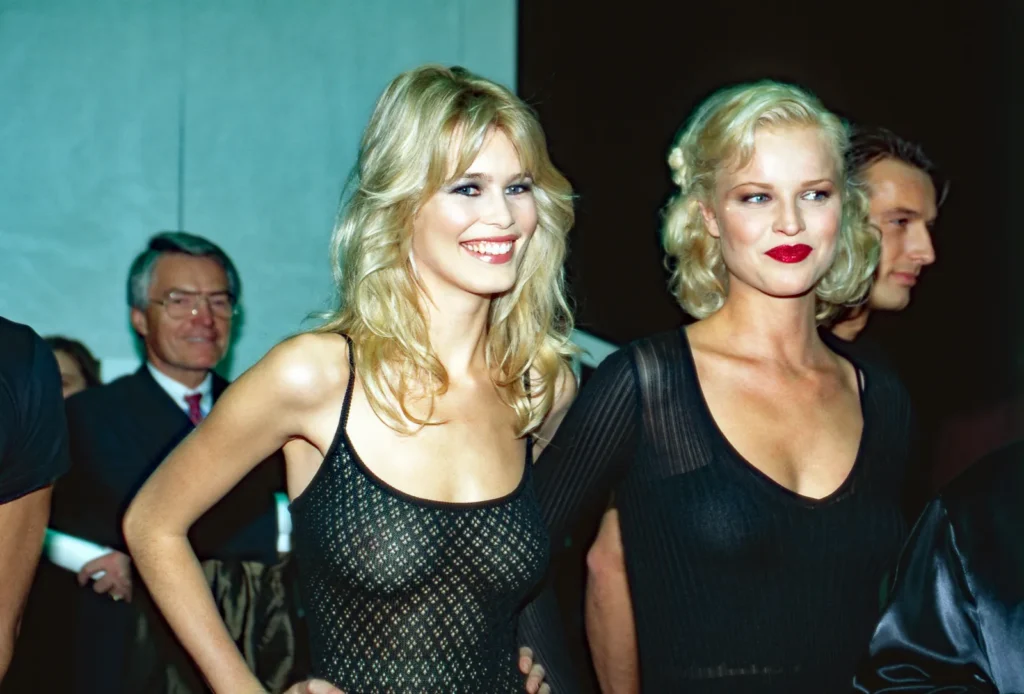
What followed became known simply as the era of the supermodel. It was a unique period in fashion history when models achieved a level of global recognition previously reserved for film stars and musicians. Naomi Campbell, Cindy Crawford, Linda Evangelista, Christy Turlington and Claudia Schiffer became household names whose influence extended far beyond fashion magazines. Yet even within this remarkable group, Schiffer occupied a distinctive place. While others cultivated bold public personas, she remained remarkably private, allowing her work rather than her personal life to shape public perception. There were no calculated scandals, no relentless pursuit of publicity and no carefully staged attempts to remain in the headlines. Instead, she built her reputation through consistency, professionalism and an unwavering commitment to excellence, qualities that have become increasingly rare in an age dominated by constant visibility.