
How Gabrielle Chanel Changed Fashion Forever
Fashion has always had its revolutionaries.
Some introduced new silhouettes. Others defined generations with memorable collections or remarkable craftsmanship. Yet only a handful fundamentally altered the relationship between women and the clothes they wore. Gabrielle “Coco” Chanel did something even rarer. She changed the way women moved.
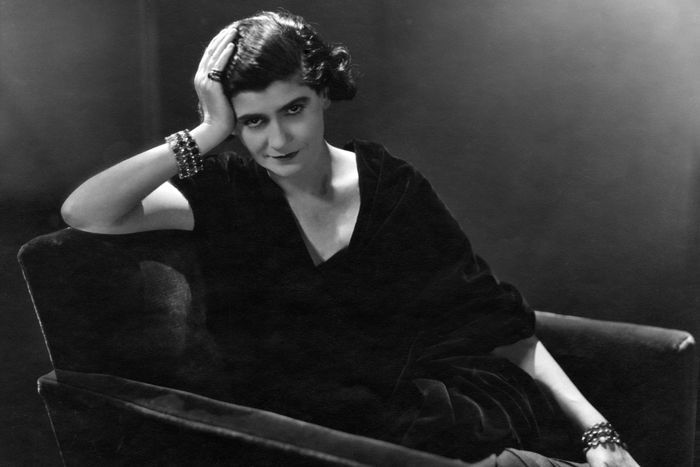
Before Chanel, fashion was largely an exercise in restriction. Corsets dictated posture. Heavy skirts limited movement. Hats grew taller, embellishments more extravagant, and elegance was often measured by discomfort. A beautifully dressed woman was expected to sacrifice freedom for appearance. Chanel rejected that idea entirely.
She believed elegance should feel effortless. Clothing should serve the woman rather than the other way around. Luxury, she insisted, should never imprison its wearer. More than a century later, that philosophy continues to shape the wardrobes of women who have never worn a Chanel jacket. That may be the greatest testament to her legacy. She did not simply create fashion. She changed modern life.
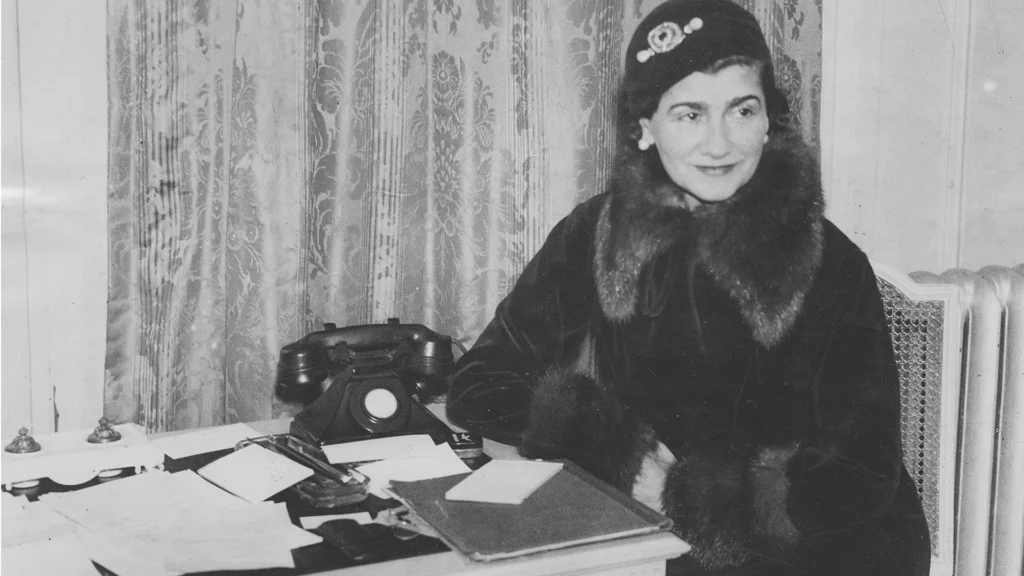
A Childhood That Never Left Her
Gabrielle Bonheur Chanel was born on 19 August 1883 in Saumur, a modest town in western France. Nothing about her early years suggested she would one day become one of the most influential women of the twentieth century.
Her mother died when Gabrielle was only eleven. Unable to care for his children, her father placed Gabrielle and her sisters in the convent orphanage of Aubazine before disappearing from their lives. It was an experience marked by discipline, silence and emotional hardship. Yet the orphanage also gave Chanel something unexpected. It taught her simplicity. The architecture of Aubazine was austere, almost monastic. Whitewashed walls met dark stone floors. Symmetry replaced ornament. The nuns wore garments stripped of decoration, believing beauty resided in restraint rather than excess.
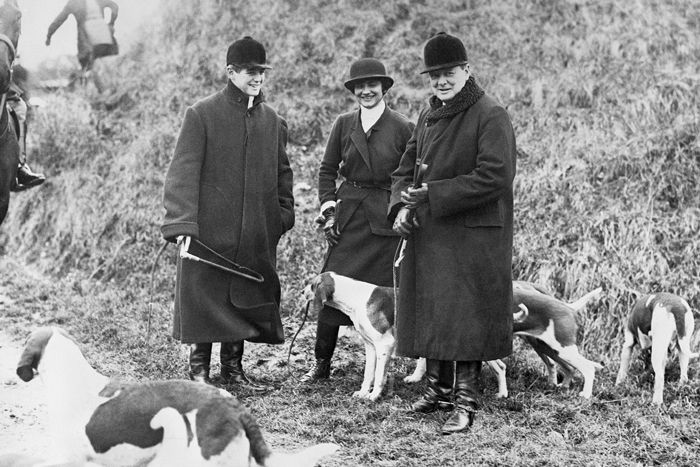
Years later, fashion critics would praise Chanel’s clean lines and minimalist palette as revolutionary. Perhaps the revolution had begun much earlier. The black and white that became her signature echoed the habits of the sisters who raised her. The geometric motifs found throughout the abbey would later reappear in jewellery, embroidery and interior design. Even her lifelong preference for uncluttered spaces seemed rooted in those quiet corridors where every unnecessary detail had been removed. While others looked to royal courts for inspiration, Chanel unconsciously carried an orphanage into haute couture.
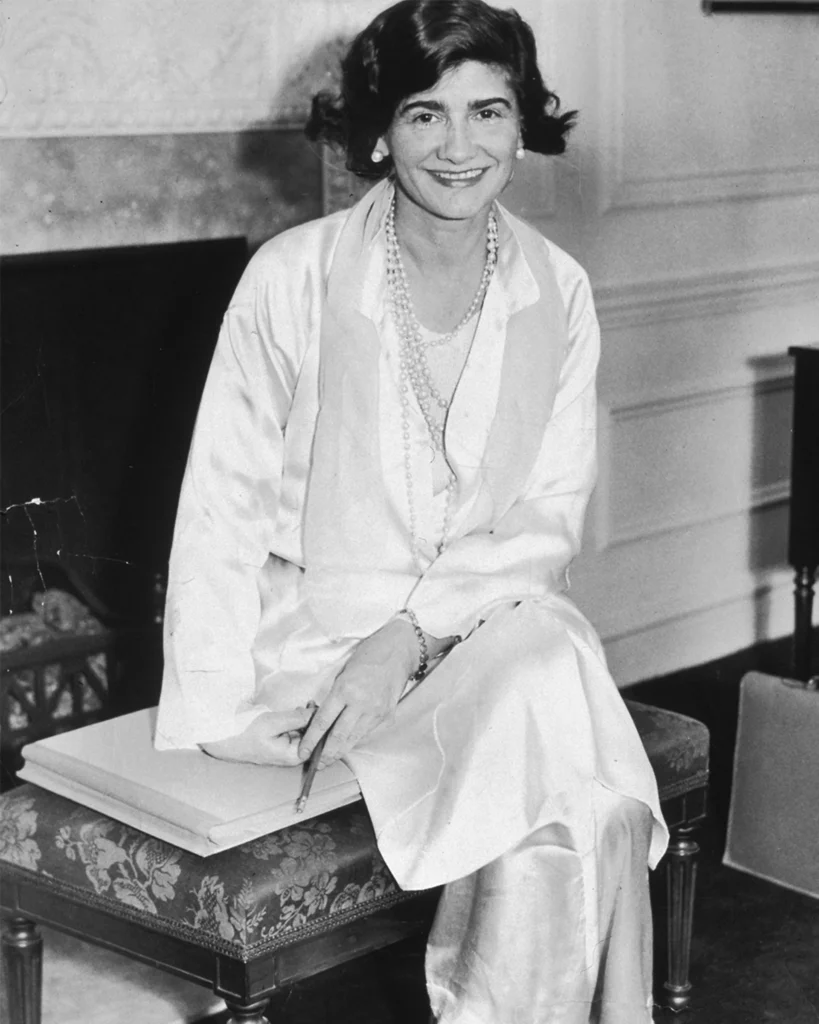
From Gabrielle to Coco
Before she became one of the world’s most recognisable names, Gabrielle briefly pursued a career as a singer. Performing in cafés and music halls frequented by cavalry officers, she sang light-hearted songs including Qui qu’a vu Coco? and Ko Ko Ri Ko. Regular patrons began calling her “Coco,” a nickname that would remain with her for the rest of her life.
Whether she embraced the name immediately or gradually transformed it into a carefully crafted identity remains uncertain. Chanel herself rarely told the same story twice. She understood that myth could be just as powerful as truth. Throughout her life she quietly edited her own history, softening painful memories and replacing them with stories she preferred the world to believe. Dates shifted. Childhood recollections changed. Relationships were retold with remarkable confidence. She was not simply designing dresses. She was designing herself.
The Birth of a New Woman
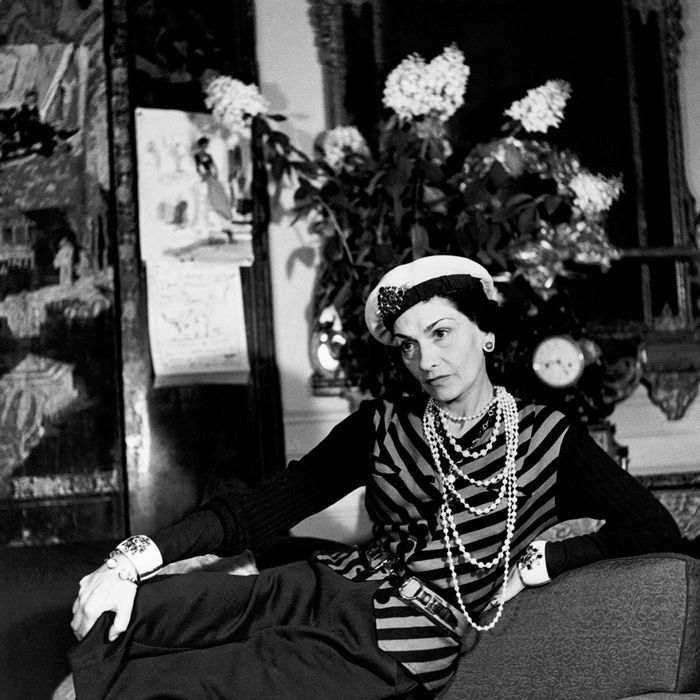
In 1910, Chanel opened her first boutique at 21 Rue Cambon in Paris. She began with hats. Unlike the enormous creations fashionable at the time, her designs were understated, elegant and refreshingly practical. Women immediately noticed the difference. Soon hats were followed by clothing. Then came the true revolution. Instead of silk brocades and rigid corsetry, Chanel embraced jersey—a fabric previously associated with men’s underwear and sportswear. Fashion editors were horrified. Customers were delighted.
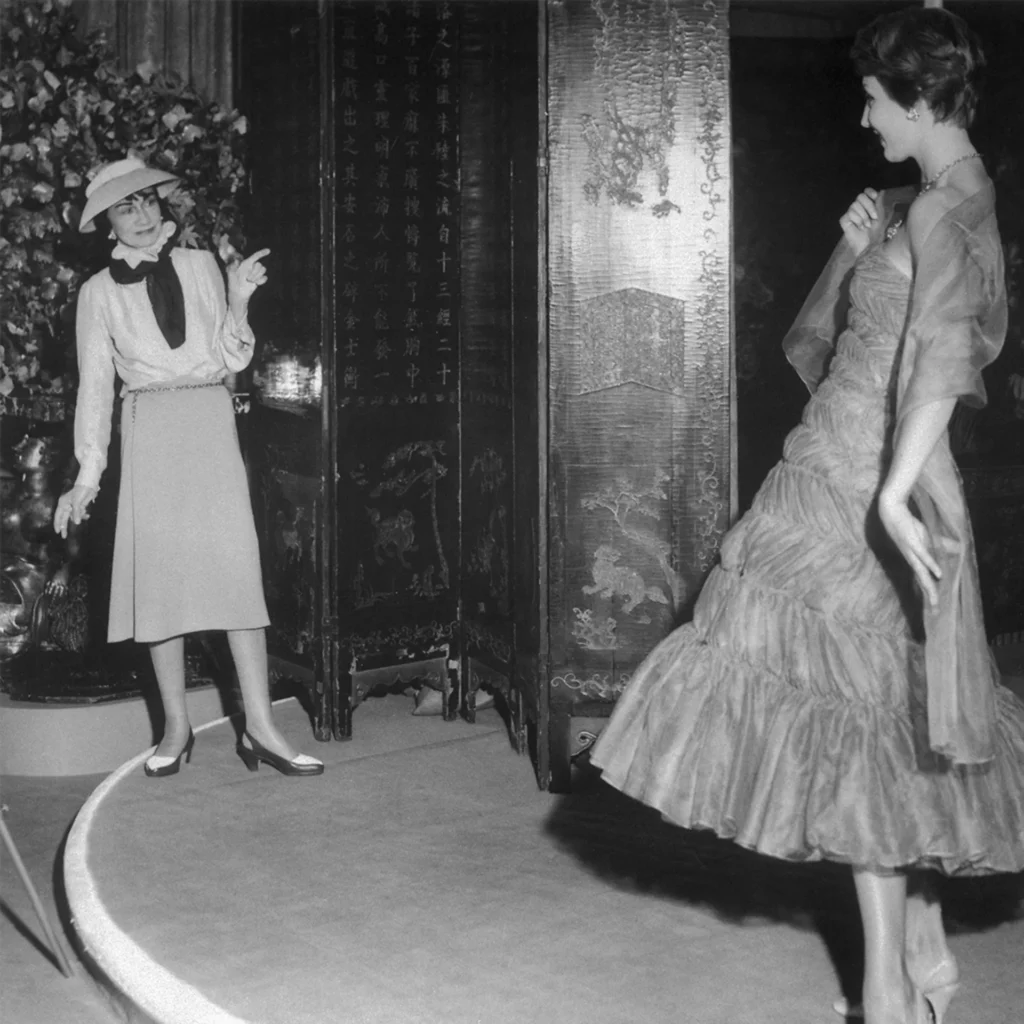
Jersey moved naturally with the body. It draped rather than constrained. It allowed women to walk, work, travel and breathe without sacrificing elegance. During the First World War, while much of Europe struggled through uncertainty, Chanel quietly introduced a new vision of femininity. It was neither fragile nor decorative. It was independent. She borrowed from men’s tailoring without ever attempting to imitate men. Relaxed jackets, sailor stripes, wide-leg trousers and soft knitwear created wardrobes suited to modern life rather than aristocratic ceremony. For the first time, luxury felt comfortable. The idea seems obvious today. In 1915, it was revolutionary.
Fashion as Freedom
Many designers speak about aesthetics. Chanel spoke about liberation. She believed fashion should disappear into everyday life rather than dominate it. A truly elegant woman, in her view, should never appear overwhelmed by her clothes.
“Luxury must be comfortable,” she famously said. “Otherwise it is not luxury.” Few quotations have aged so well. Every minimalist wardrobe, every perfectly cut blazer, every cashmere sweater paired effortlessly with tailored trousers owes something to Chanel’s philosophy. She removed decoration not because she disliked beauty, but because she believed confidence itself was beautiful. Perhaps that is why her work still feels contemporary. Fashion trends come and go. Comfort never goes out of style.
The Little Black Dress
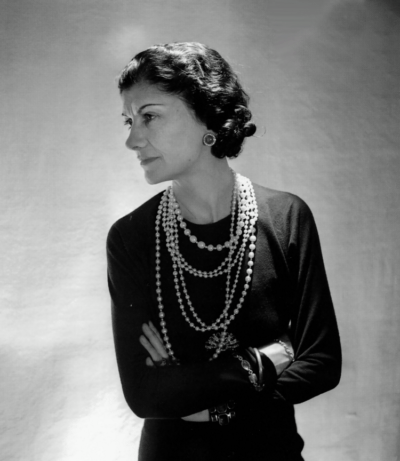
In 1926, Vogue published a simple illustration of a black crepe dress designed by Chanel. The magazine compared it to the Ford Model T, predicting it would become a universal uniform for women everywhere. It was an astonishing prediction. And it proved remarkably accurate. Until then, black had largely belonged to mourning, servants and practicality. Chanel transformed it into sophistication.
The little black dress became a blank canvas upon which every woman could project her own personality. Elegant without extravagance. Confident without excess. It remains perhaps the most enduring garment in fashion history. Not because it demanded attention. Because it never needed to.
The Scent of Modernity
If Chanel transformed clothing, she changed perfume forever. In 1921, working alongside perfumer Ernest Beaux, she introduced Chanel No. 5. Rather than imitate a single flower, the fragrance embraced abstraction. Jasmine blended with rose, ylang-ylang, sandalwood, aldehydes and countless carefully balanced notes to create something entirely new. The bottle reflected the same philosophy. No elaborate decoration. No gilded flourishes. Simply clean geometry and remarkable confidence. When Marilyn Monroe famously remarked that she wore “only Chanel No. 5” to bed, the perfume entered popular mythology. More than a century later, it remains one of the world’s most recognisable fragrances.
Jewellery, Tweed and Reinventing Luxury
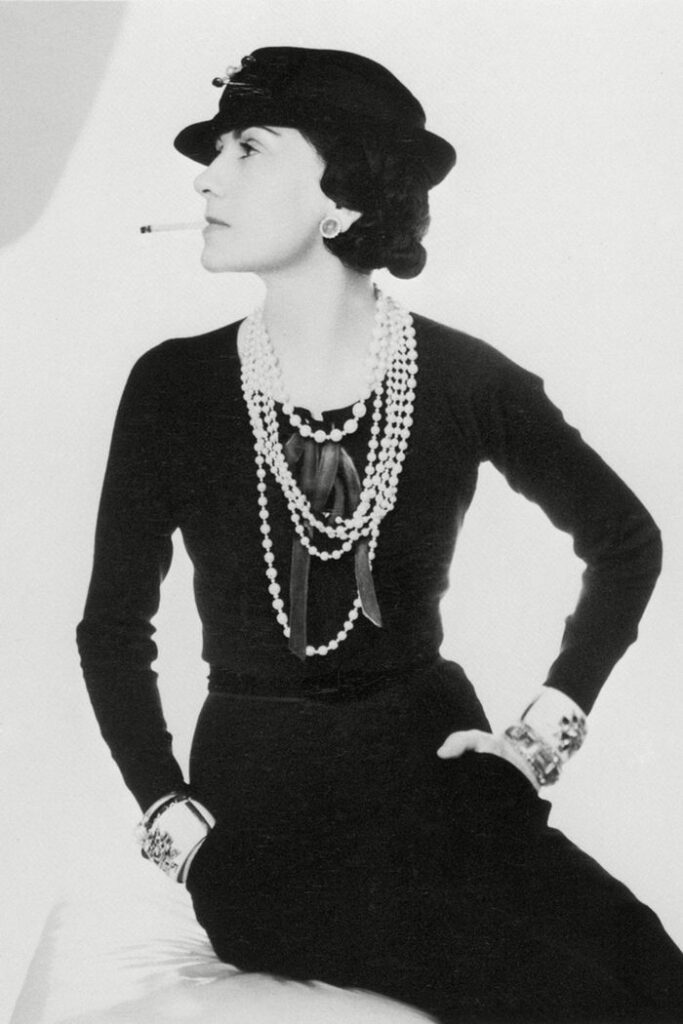
Chanel never accepted traditional definitions of luxury. She mixed costume jewellery with precious gemstones, scandalising those who believed elegance depended upon expense. “Fake jewellery is not made to give the impression of real jewels,” she explained. “It is made to be amusing.” Her tweed jackets, inspired partly by menswear and the Scottish countryside, became masterpieces of relaxed tailoring. Soft shoulders replaced rigid structure. Gold buttons added refinement without ostentation. Chains sewn discreetly into hems ensured the jackets fell perfectly. Every detail served a purpose. Nothing existed simply to impress. Even the famous quilted handbag emerged from practicality. Inspired by equestrian saddle bags and military uniforms, its shoulder strap allowed women to keep their hands free—a surprisingly radical idea at the time. For Chanel, function and beauty were never opposites. They completed one another.
The Woman Behind the Legend
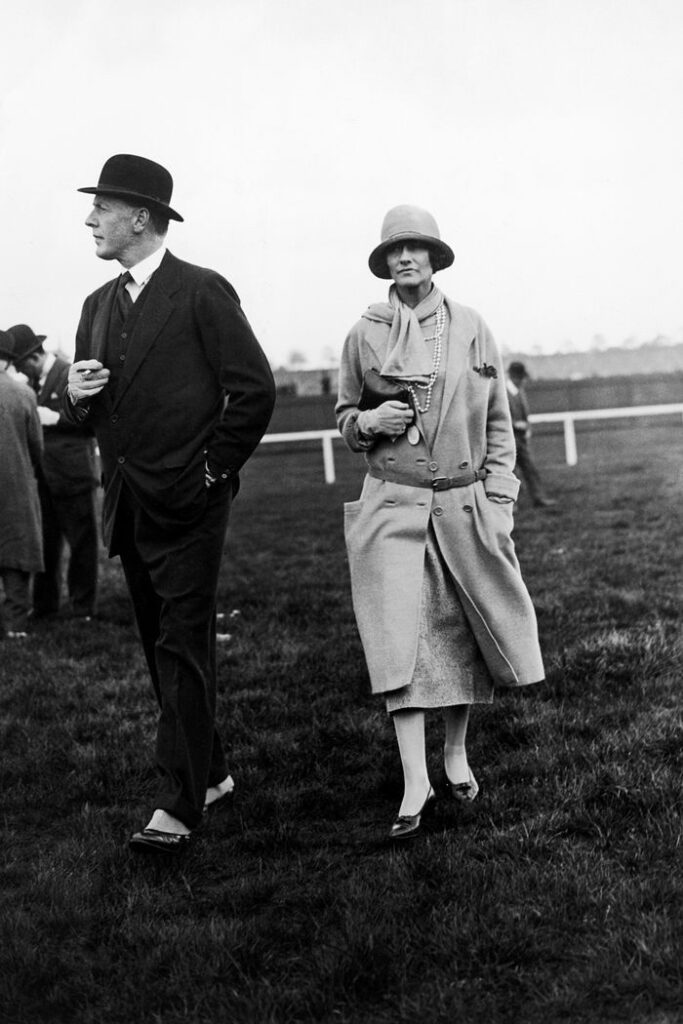
Success never simplified Gabrielle Chanel’s character. She was fiercely intelligent, endlessly curious and extraordinarily ambitious. Friends admired her wit and independence, yet many also described her as demanding, stubborn and uncompromising. She expected excellence because she expected it of herself.
Her romantic relationships—with businessman Arthur “Boy” Capel, the Duke of Westminster and others—shaped her personally but never defined her professionally. Work remained the great love of her life. The years surrounding the Second World War continue to cast a complicated shadow over her legacy. Historians have debated her actions, political associations and personal decisions for decades. Those discussions remain important and deserve careful consideration. Yet they exist alongside an equally undeniable truth. Few individuals have transformed fashion as profoundly as Gabrielle Chanel. History, like people, is rarely uncomplicated.
The Return Everyone Doubted
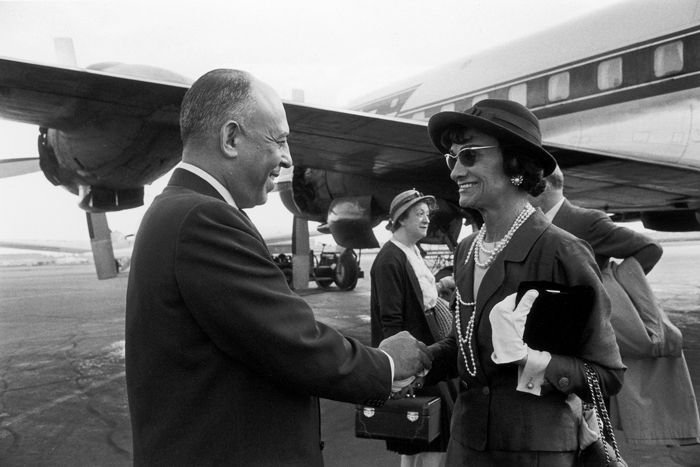
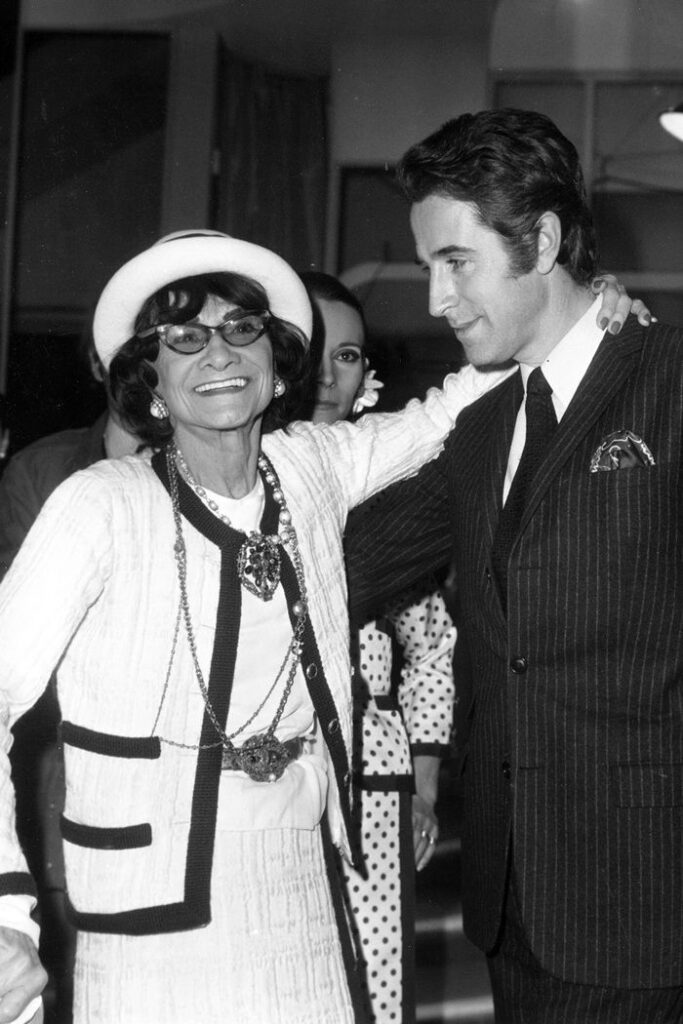
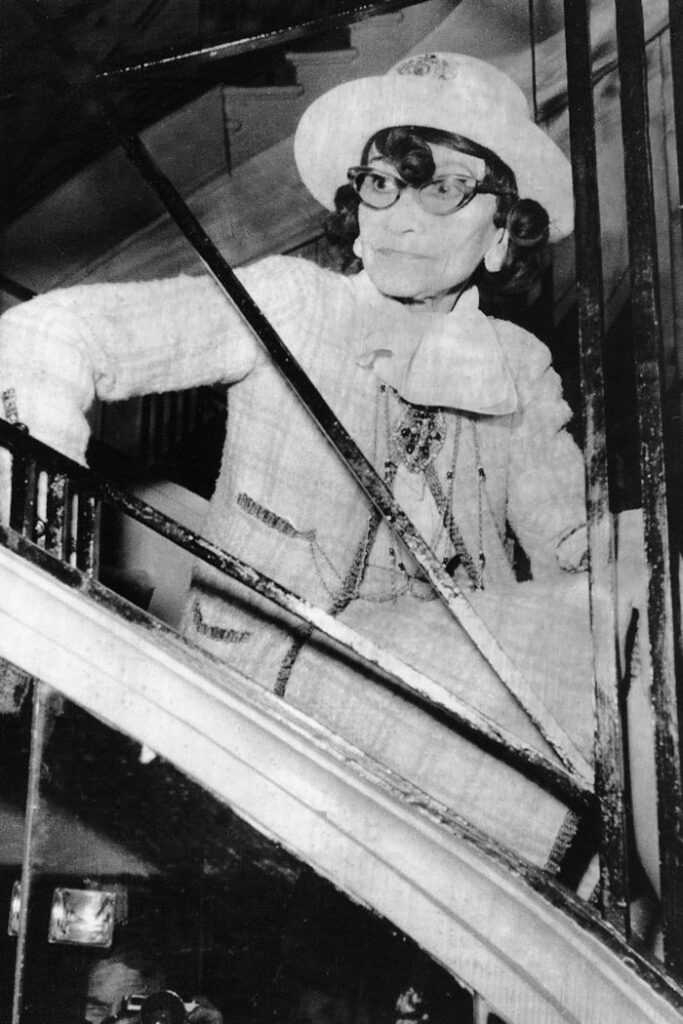
In 1954, at the age of seventy-one, Chanel returned to haute couture after nearly fifteen years away. Paris was unconvinced. Christian Dior’s New Look dominated post-war fashion with dramatically cinched waists and voluminous skirts. Critics dismissed Chanel as a relic from another era. Women disagreed. They recognised something timeless in her designs. The Chanel suit—soft, practical and impeccably tailored—quickly became the wardrobe of diplomats, editors, actresses, artists and first ladies. It projected confidence without shouting for attention. Once again, Chanel had understood the future before anyone else.
An Influence Beyond Fashion
The remarkable thing about Coco Chanel is not that her house continues to thrive. It is that her philosophy escaped it. Minimalism. Quiet luxury. Investment dressing. Capsule wardrobes. Borrowing from menswear. The idea that style matters more than fashion. These concepts dominate contemporary conversations, yet Chanel explored them nearly a century ago. Even those who have never purchased a Chanel creation often dress according to principles she introduced. Her influence has become almost invisible precisely because it has become universal.
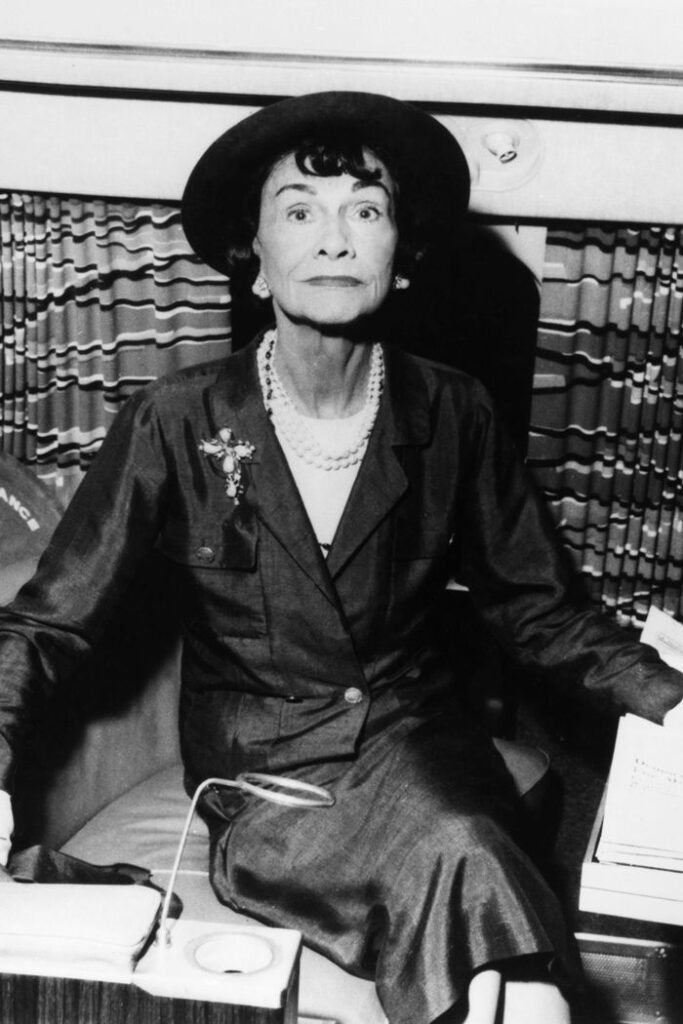
Maison Blanche Reflection
Gabrielle Chanel once observed that “fashion fades, only style remains the same.” More than fifty years after her death, those words feel less like a quotation than a prophecy.
Fashion continues to reinvent itself with every passing season. Trends rise and disappear at astonishing speed. Yet the principles Chanel championed—simplicity, confidence, practicality and freedom—remain remarkably untouched by time. Perhaps because she understood something that extends far beyond clothing. True elegance is never created by excess. It is created by knowing exactly what can be left behind.
That philosophy transformed wardrobes, redefined luxury and gave generations of women something far more valuable than beautiful clothes. It gave them permission to be themselves. And that is why Gabrielle “Coco” Chanel remains not simply one of fashion’s greatest designers, but one of the most influential cultural figures of the modern age.