
There are hotels that define a destination, and then there are destinations that exist because of a hotel.
For more than one hundred and fifty years, Villa d’Este has occupied a singular place on the shores of Lake Como. It is not merely one of Italy’s most celebrated hotels, nor simply one of the finest in the world. It has become part of the cultural identity of the lake itself—a place where history, architecture, landscape and hospitality have quietly intertwined for centuries.
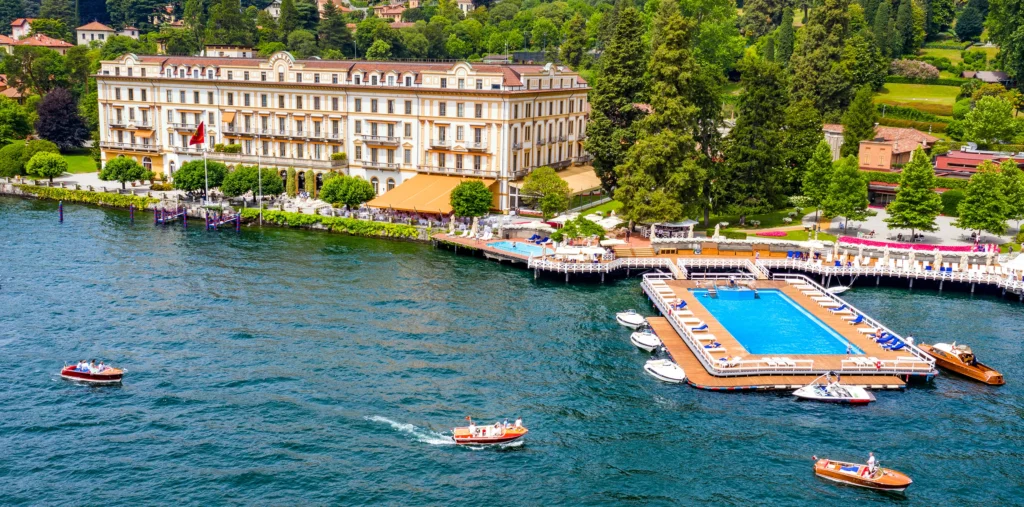
Long before photographers filled social media with images of Como’s shimmering waters, Villa d’Este had already welcomed European nobility, artists, musicians, film stars and statesmen who arrived not in search of spectacle, but of tranquillity. Its greatest luxury has never been exclusivity. It has always been continuity.
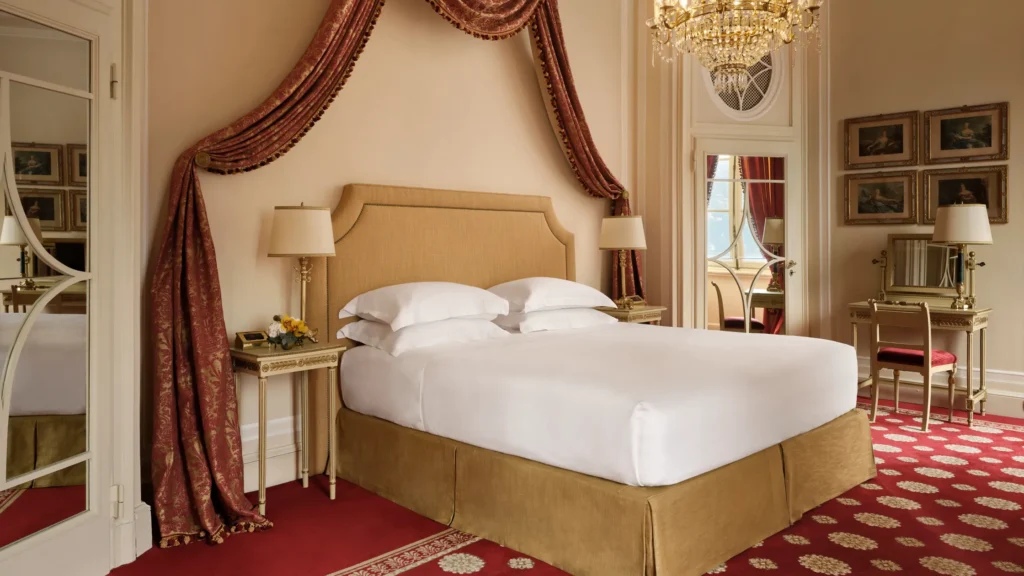
The story begins in 1568, when Cardinal Tolomeo Gallio commissioned a magnificent Renaissance residence overlooking the lake. Conceived as a private summer villa rather than a palace, the estate was designed to celebrate its surroundings. Terraced gardens descended gracefully towards the water, while cypress trees and flowering camellias framed uninterrupted views across one of Italy’s most enchanting landscapes.
Over the centuries, the villa passed through the hands of aristocratic families before becoming the residence of Caroline of Brunswick, Princess of Wales, whose vibrant court transformed it into one of Europe’s most fashionable addresses. Music, literature and conversation filled its salons, establishing a tradition of refined hospitality long before it became a hotel.
When Villa d’Este opened its doors to travellers in 1873, remarkably little of its original spirit was lost. Unlike many grand hotels that continually reinvent themselves to follow changing trends, Villa d’Este has always understood the value of permanence. Its elegance has never relied upon fashion. Instead, it has been shaped by quiet confidence, meticulous preservation and an unwavering respect for craftsmanship.
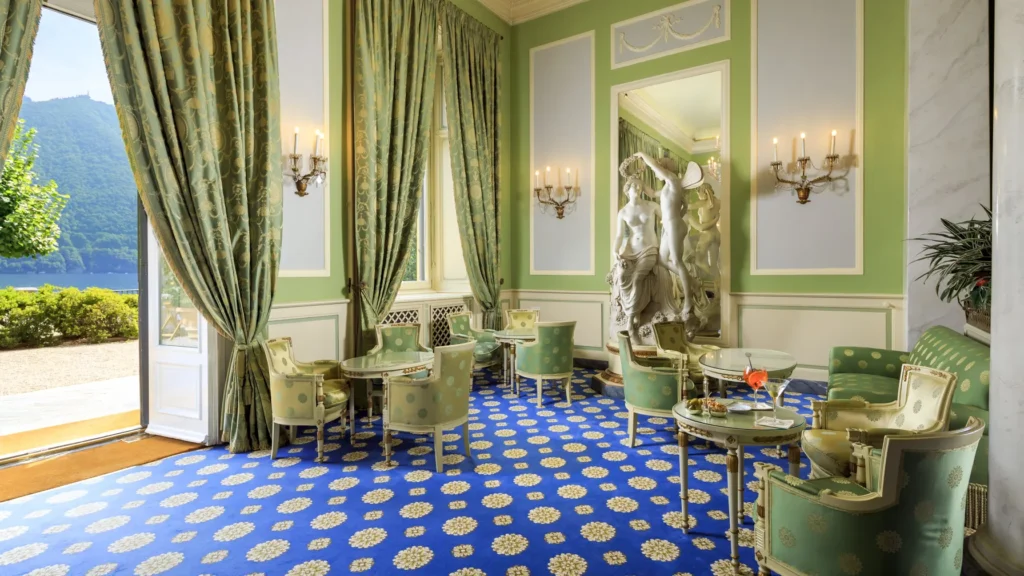
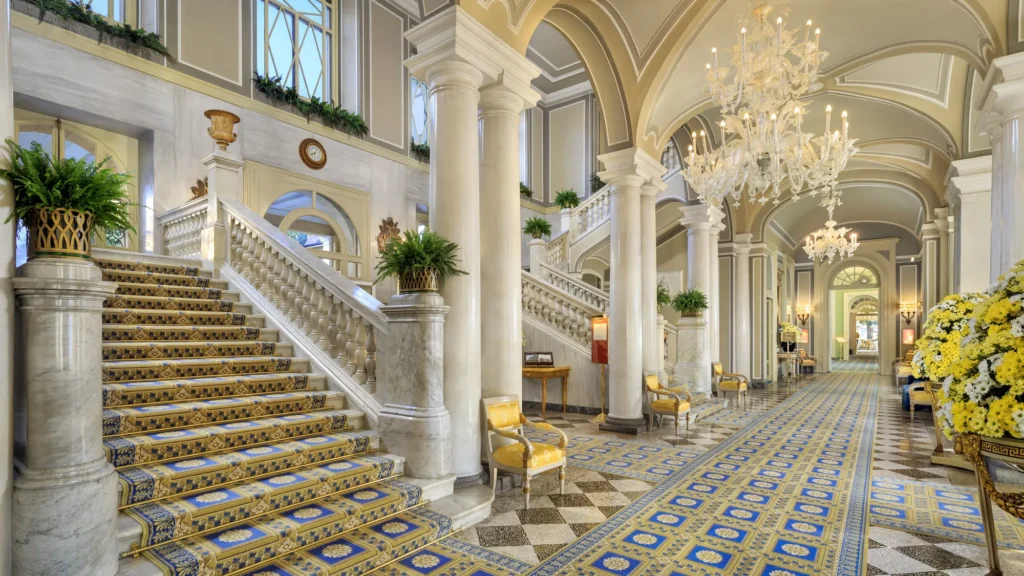
Walking through its corridors today feels less like entering a luxury hotel than stepping into a living chapter of Italian history. The frescoed ceilings remain. Marble staircases continue to guide guests through rooms where antique paintings, silk-covered walls and Murano chandeliers coexist effortlessly with contemporary comfort. Every object appears to have earned its place over generations rather than being selected to impress. Nothing feels curated for a photograph. Everything feels collected through time. Outside, the experience becomes even more extraordinary.
Few gardens possess the quiet grandeur of Villa d’Este’s twenty-five acres. Carefully sculpted hedges, centuries-old plane trees, flowering magnolias and elegant fountains create an atmosphere that feels remarkably untouched despite meticulous care. Walking beneath their shade, one quickly forgets where the gardens end and the landscape of Lake Como begins. Perhaps nowhere embodies this relationship more beautifully than the hotel’s famous floating swimming pool.
Extending gently into the lake itself, it has become one of the most recognisable images in luxury hospitality. Yet standing beside it reveals something photographs rarely capture. There is no sense of theatricality. The pool simply appears to belong exactly where it is, floating quietly between architecture and nature as though it has always existed there. Time behaves differently at Villa d’Este.
Breakfast stretches into late morning as sunlight slowly climbs the surrounding mountains. Wooden Riva boats glide silently across the water before disappearing towards Bellagio and Varenna. Afternoon conversations continue beneath shaded terraces where generations of guests have lingered long after coffee has grown cold. Nothing encourages haste. Everything rewards observation. This philosophy extends naturally to the hotel’s culinary experience.
Dining at Veranda Restaurant is less about performance than about celebrating northern Italy’s extraordinary ingredients. Seasonal produce from Lombardy, freshly caught lake fish and exceptional Italian wines are presented with remarkable restraint, allowing flavour rather than complexity to become the defining characteristic of every dish.
Like the hotel itself, the restaurant understands that confidence rarely needs embellishment. Throughout its history, Villa d’Este has welcomed some of the world’s most remarkable figures. Elizabeth Taylor wandered its gardens. Alfred Hitchcock admired its tranquillity. Aristocrats, royalty, artists and entrepreneurs have all found their way to these shores, drawn by an atmosphere that remains wonderfully unchanged despite the passing decades.
Yet perhaps the hotel’s greatest achievement is that every guest, regardless of reputation, experiences the same quiet sense of belonging. Service unfolds with extraordinary discretion. Names are remembered. Preferences quietly anticipated. Conversations happen softly. There is never any need to announce luxury when every gesture already expresses it.
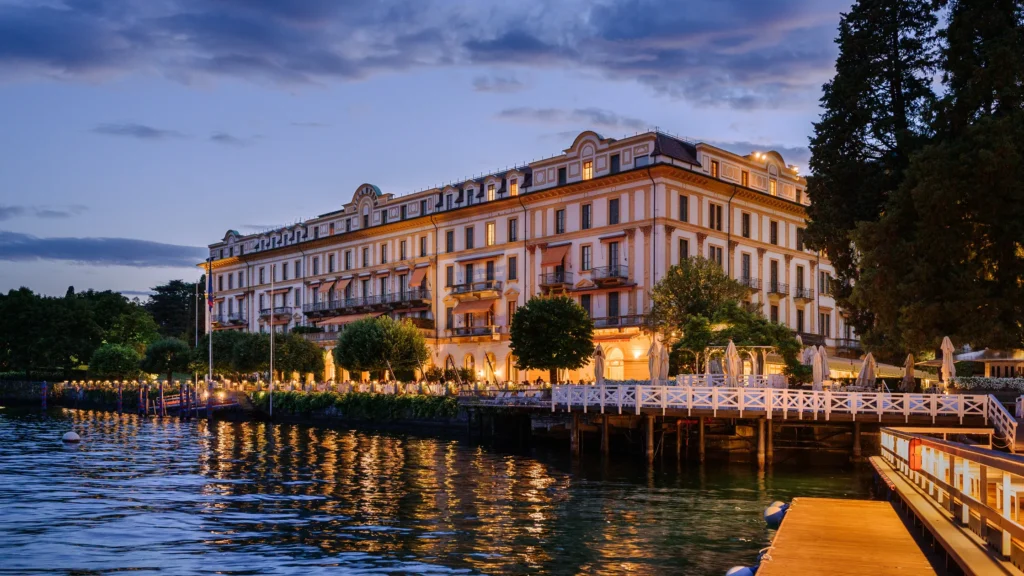
As evening settles across Lake Como, the mountains slowly dissolve into silhouettes while the lake reflects the final colours of the Italian sky. Candles appear beneath arcaded terraces, the gentle sound of water replaces the conversations of the day, and Villa d’Este begins to reveal the quality that has distinguished it for generations. Not grandeur. Not prestige. But serenity. It is increasingly rare to discover places that resist the urgency of the modern world. Villa d’Este remains one of them.
It asks nothing from those who arrive except that they slow down long enough to notice what has always been there: the changing light across the lake, the quiet elegance of timeless architecture and the extraordinary beauty of places that never felt the need to reinvent themselves.
Maison Blanche Reflection
There are destinations that leave beautiful photographs. And there are destinations that quietly change the way we remember travel. Villa d’Este belongs to the second category. Its greatest achievement is not the magnificence of its Renaissance architecture, nor the beauty of its gardens, nor even its legendary position on Lake Como. It is the remarkable feeling that time itself has become part of the experience. Long after the journey ends, what remains is not a single room, meal or view. It is the memory of a place where history continues to breathe gently through every stone, every garden path and every reflection dancing upon the waters of Lake Como. Perhaps that is why Villa d’Este has never simply been a hotel.It has become a way of understanding Italian elegance itself.