
There are actors who become famous, actors who become legends, and then, perhaps once in a generation, there is someone who changes the very language of an art form. Marlon Brando belonged to that rare category. Before his arrival, Hollywood celebrated polished heroes, immaculate diction and carefully controlled emotion. Brando introduced something far more daring: vulnerability. He mumbled, hesitated, paused and allowed silence to carry as much weight as dialogue. Audiences no longer felt they were watching an actor perform; they believed they were witnessing a real human being.
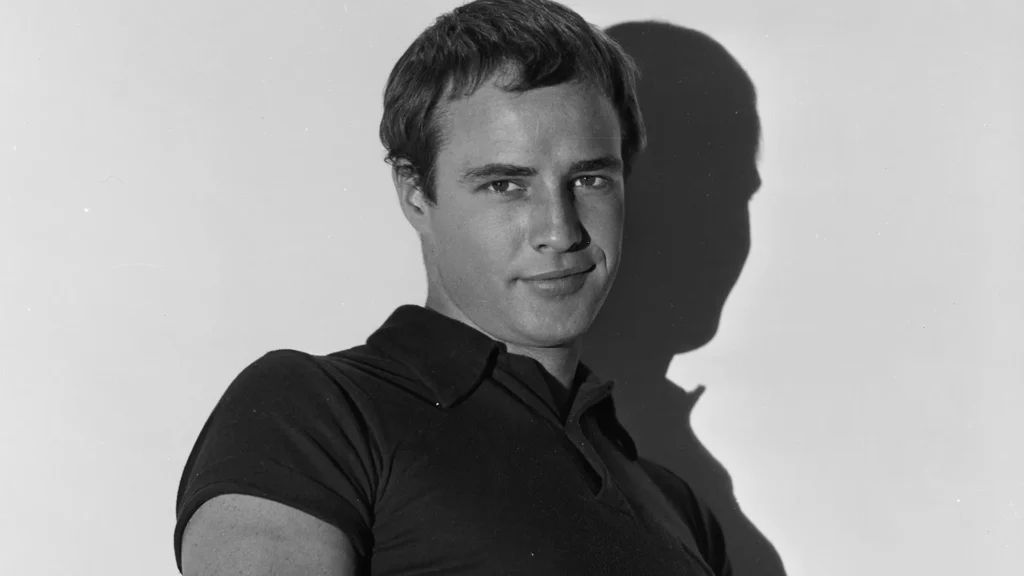
Born in Omaha, Nebraska, in 1924, Brando’s childhood was shaped by an emotionally distant father and a gifted but troubled mother. Those early experiences nurtured a lifelong fascination with the complexities of human behaviour. After moving to New York, he studied under Stella Adler, whose teaching encouraged actors to pursue emotional truth instead of theatrical perfection. That philosophy became the foundation of Brando’s extraordinary career and permanently altered the craft of acting.
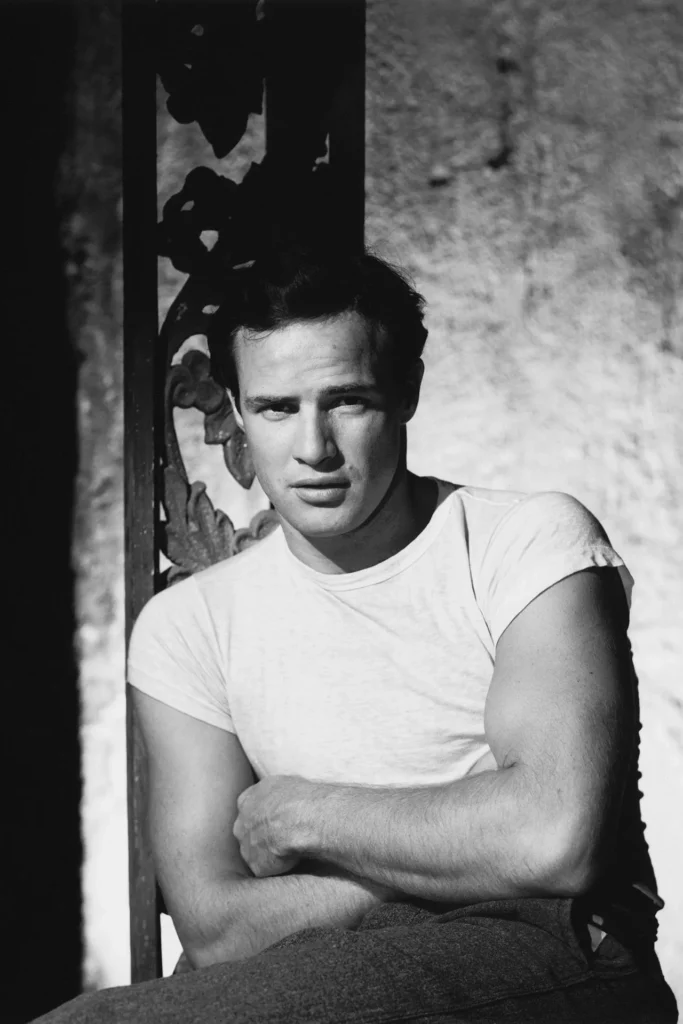
His explosive performance as Stanley Kowalski in A Streetcar Named Desire announced the arrival of a new cinematic language. Films such as The Wild One and On the Waterfront confirmed that audiences were witnessing something revolutionary. Brando did not imitate emotion; he lived it. Every hesitation, every glance and every silence felt authentic, inspiring generations of performers to search for honesty rather than technique alone.
Away from the screen, Brando was equally fearless. He marched for civil rights, supported Native American communities and famously declined his Academy Award for The Godfather, sending Sacheen Littlefeather in his place to draw attention to Indigenous representation in American cinema. He understood that an artist’s influence could extend beyond entertainment and into society itself.
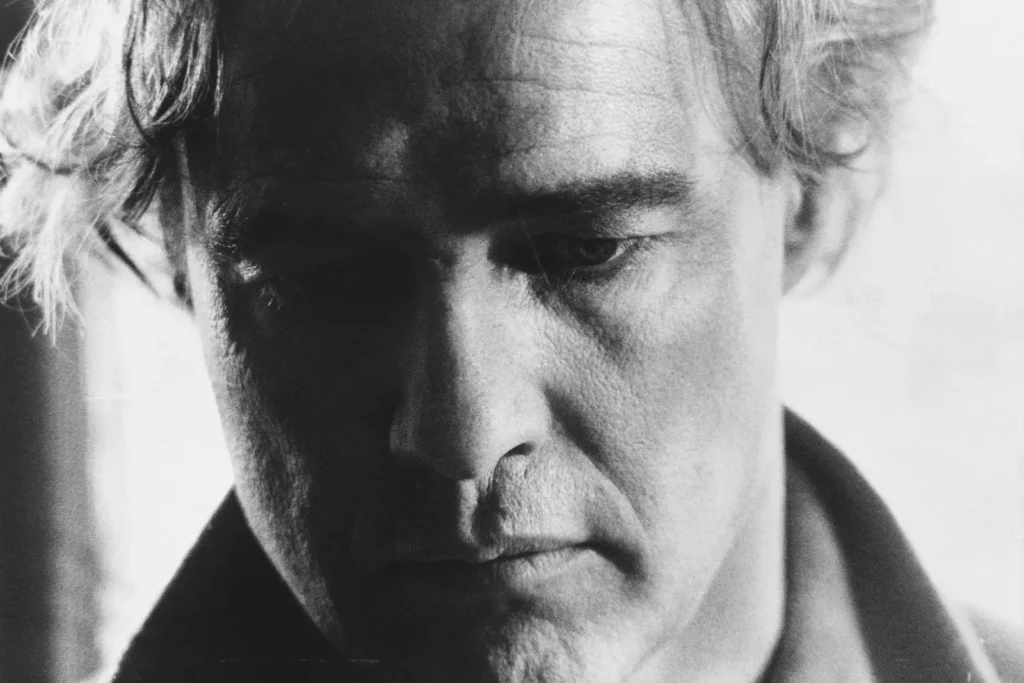
Ironically, the role that would define him almost slipped away. Paramount Pictures doubted he was the right choice for Vito Corleone. Brando transformed himself completely, creating a character whose quiet authority, restrained movements and unforgettable voice reshaped the modern screen gangster. The performance became one of cinema’s greatest achievements and secured his place among the most influential artists of the twentieth century.
His legacy lives on through countless actors who followed the path he opened. Robert De Niro, Al Pacino, Daniel Day-Lewis, Sean Penn and Leonardo DiCaprio all inherited a world of acting that Brando had fundamentally transformed. He proved that imperfection could be beautiful, that vulnerability could be powerful and that truth would always outlast spectacle.
Maison Blanche Reflection
Some artists leave behind memorable performances. Others redefine an entire art form. Marlon Brando achieved both. More than two decades after his passing, his influence remains unmistakable because he reminded the world that the greatest performance is never about pretending to be someone else. It is about revealing, with courage and honesty, what it truly means to be human.