
The Streets That Shaped an Artist
Some artists discover their voice in academies. Others find it by observing the world around them. For Sixe Paredes, the streets of Barcelona became both classroom and studio. Growing up in a city where history, architecture and contemporary culture constantly collided, he learned to think beyond traditional artistic boundaries. Graffiti introduced him to freedom, but more importantly it introduced him to discipline. Every wall demanded confidence, every composition required speed, and every intervention became a dialogue with the city itself. Those experiences created an artist who never separated creativity from everyday life.
Beyond Graffiti
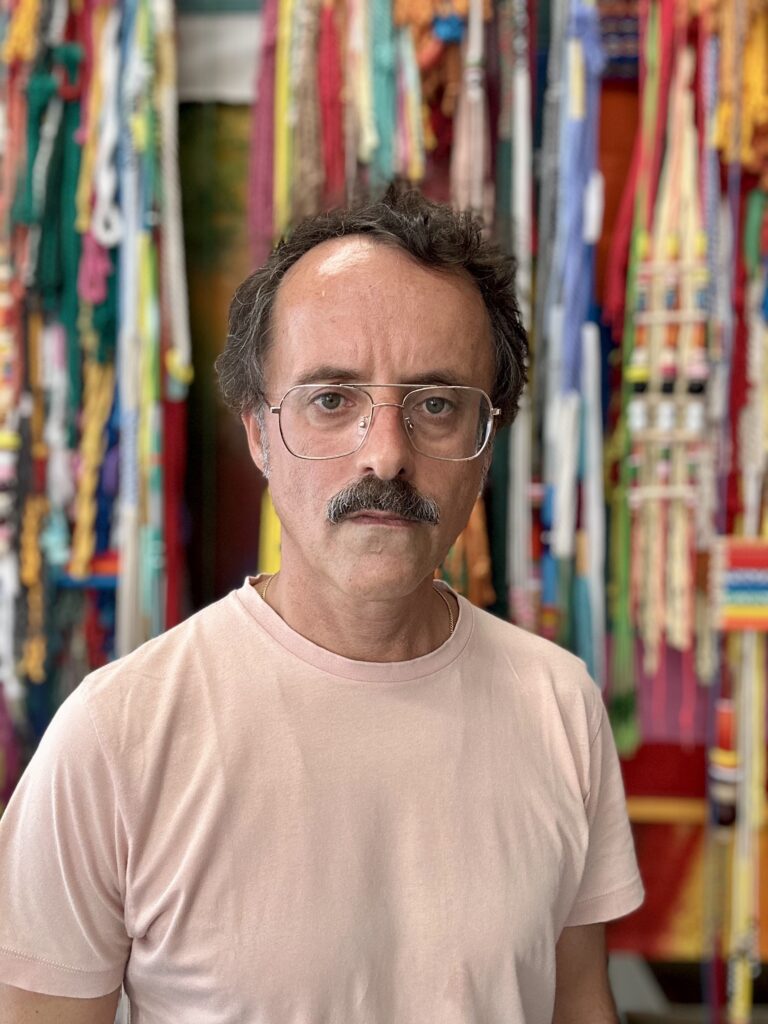
Although his roots remain firmly connected to the graffiti movement of the late 1980s and early 1990s, Sixe quickly realised that his ambitions extended far beyond lettering. His curiosity led him toward painting, sculpture, ceramics and large-scale installations. Instead of abandoning his origins, he carried them into galleries and museums, proving that the visual language of the street could evolve into sophisticated contemporary art while remaining authentic. This transition was gradual, driven not by fashion but by an endless desire to experiment.
Ancestral Futurism
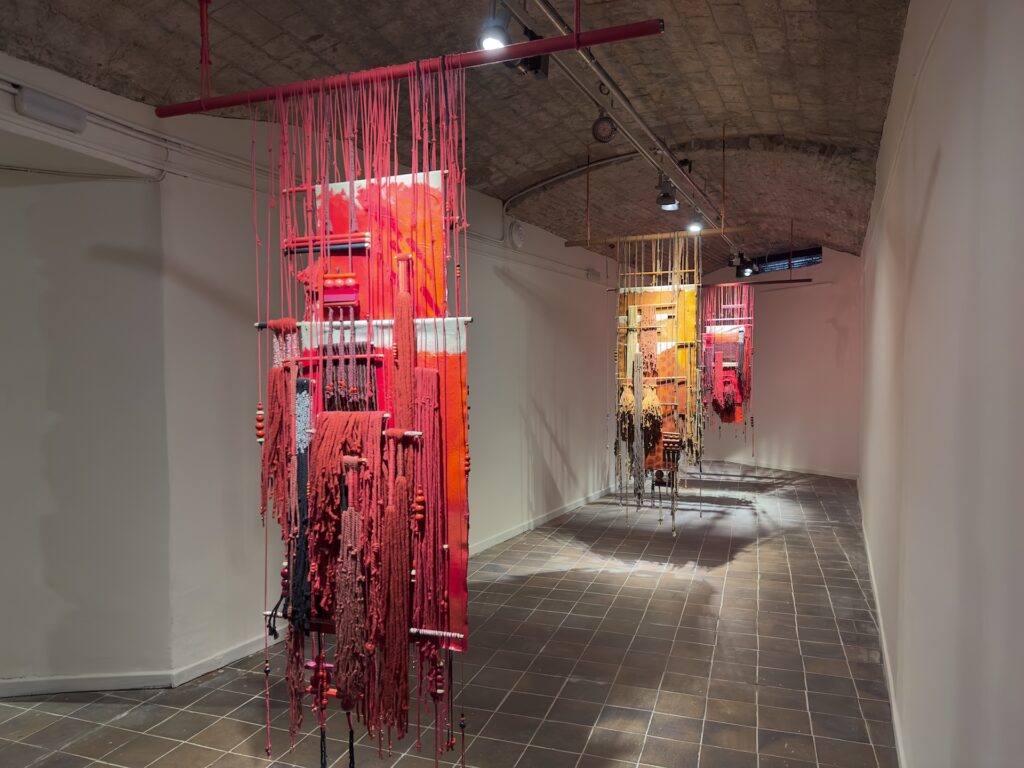
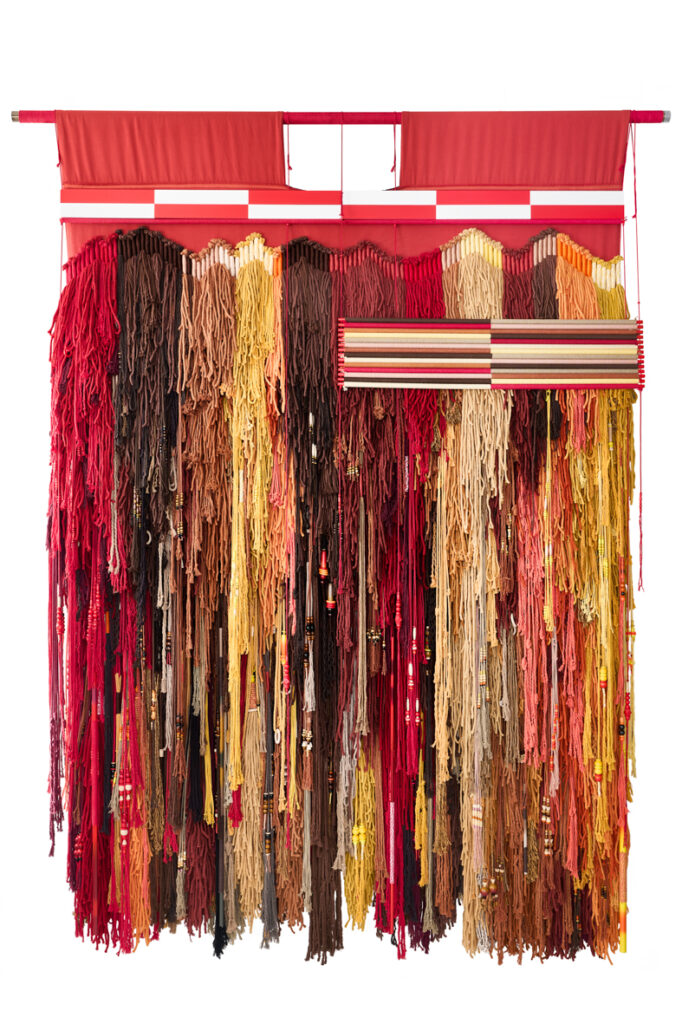
One of the defining moments of Sixe’s career came through his travels across Peru and the Andean region. Ancient textiles, ceremonial objects and indigenous philosophies introduced him to ways of understanding the world that differed profoundly from Western artistic traditions. Rather than treating these cultures as aesthetic references, he absorbed their ideas about community, spirituality and humanity’s relationship with nature. This encounter shaped the philosophy often described as ‘Ancestral Futurism’—a vision where the wisdom of ancient civilizations speaks directly to the contemporary world.
The Language of Geometry
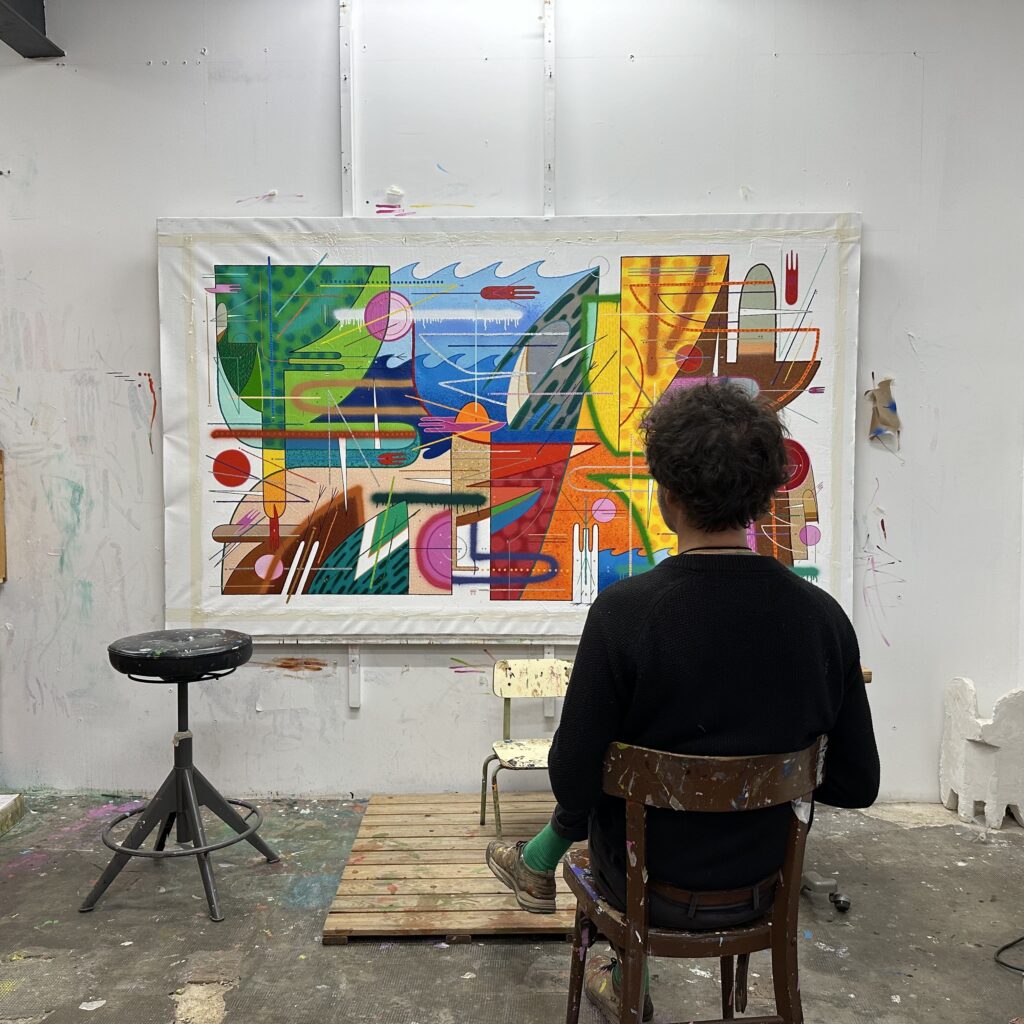
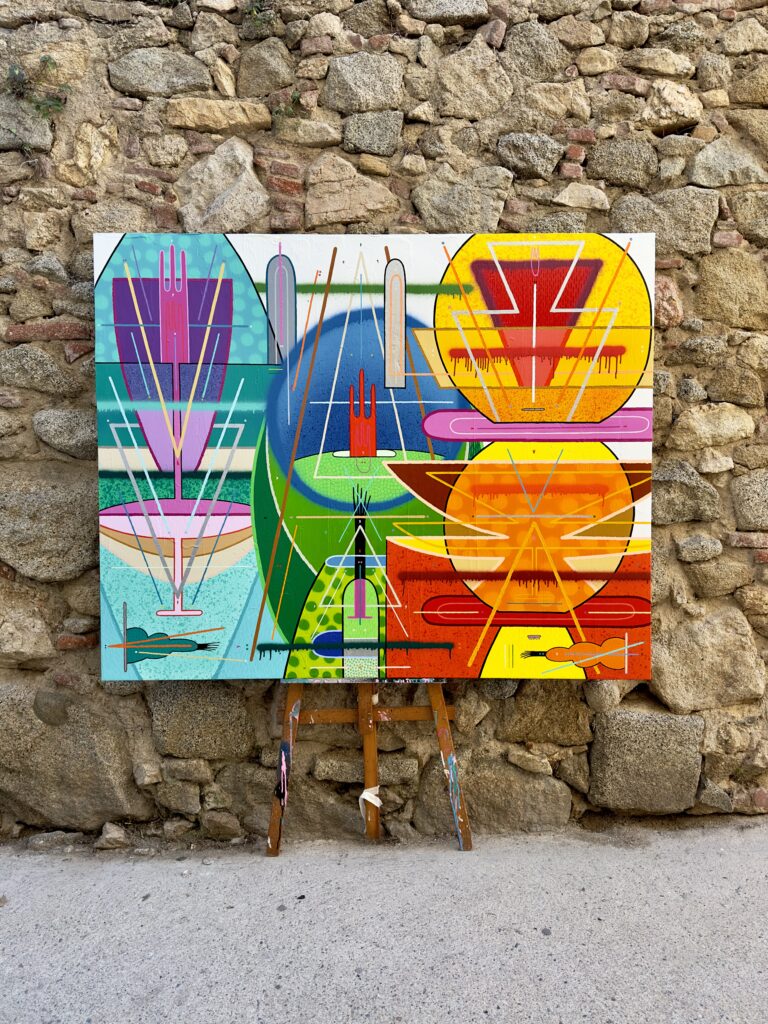
Geometry became more than a visual device; it became the grammar of his work. Circles, triangles, flowing organic forms and repeating structures appear throughout his paintings, creating compositions that feel alive rather than static. Colour functions emotionally rather than descriptively. Bright oranges, deep blues, vivid greens and earthy reds interact almost like musical notes, establishing rhythm and movement across every surface. His paintings reveal themselves slowly, rewarding patient observation with layers of symbolism and emotional depth.
From Barcelona to the International Stage
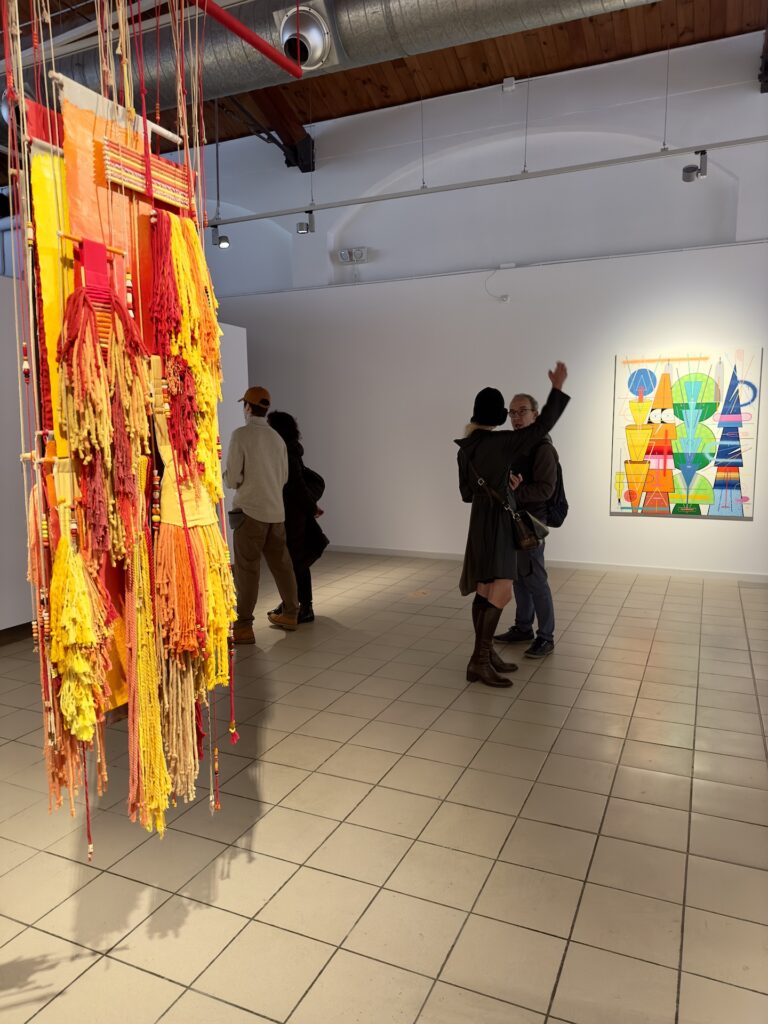
International recognition followed naturally. Galleries across Europe, Asia and the Americas embraced his work, while large public commissions demonstrated that his visual language could transform architecture itself. A defining milestone arrived with his participation in Tate Modern’s celebrated Street Art project in London, placing him among a select group of artists who helped redefine the relationship between public art and contemporary institutions. What once belonged exclusively to the street had become part of global cultural history.
A Practice Guided by Curiosity
Despite international success, Sixe has never appeared interested in repeating himself. Each series introduces new colours, materials and ideas while remaining unmistakably connected to his artistic identity. Curiosity continues to drive his practice, encouraging constant experimentation instead of comfortable repetition. This openness has allowed his work to remain relevant across more than three decades, continually evolving without losing its essential character.
A Legacy Written in Colour
Today Sixe Paredes occupies a unique place within contemporary art. His work connects urban culture with ancient civilizations, abstraction with emotion and geometry with storytelling. More than decorative objects, his paintings invite contemplation. They encourage viewers to slow down, to notice hidden relationships between colour and form and to reflect on humanity’s place within the natural world. His greatest achievement is not simply transforming graffiti into fine art, but demonstrating that creativity can build bridges between cultures, generations and histories. In an increasingly fast-moving world, his paintings remind us that the deepest conversations often happen in silence.